Yoga for Relaxation explores targeted strategies for recovery. Discover new paths to mobility, healing, and personalized care.

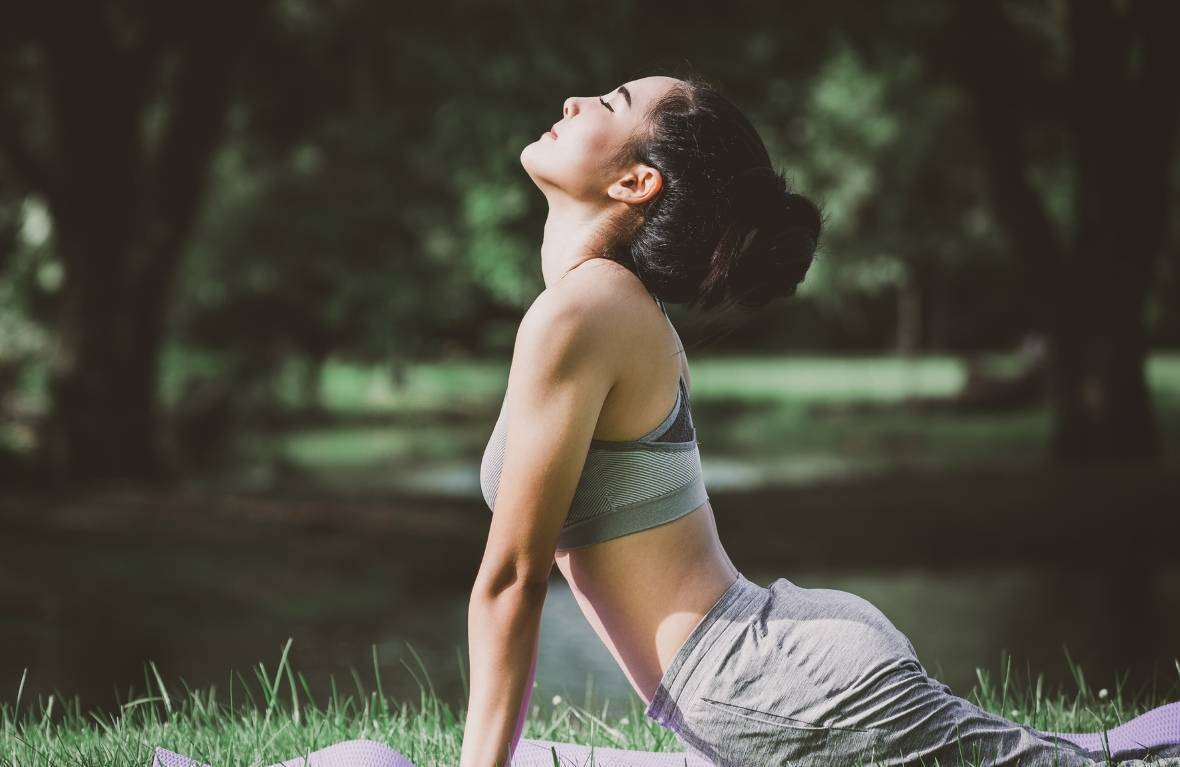
In our always-on world, relaxation can feel like a luxurysomething reserved for lazy Sundays or once-a-year vacations. But what if we told you that just a few minutes of yoga each day could shift your nervous system from frazzled to focused? If you’re looking to relax, unwind, and genuinely reset your system, you’re in the right place. Lets dive into how yoga for relaxation isnt just a trendits a science-backed technique that helps calm the nervous system, improve mental clarity, and boost overall well-being.
Why the Nervous System Needs a Break
Before we get into the poses and techniques, it helps to understand why the nervous system needs calming in the first place. Our bodies are wired with a fight-or-flight response, governed by the sympathetic nervous system. When we’re constantly stressedemails, traffic, news updates, work meetingsthis system stays switched on. That leads to fatigue, anxiety, insomnia, and even chronic health problems.
The antidote? Activating the parasympathetic nervous system, often referred to as the rest and digest state. Yoga, especially specific relaxation-based styles, directly stimulates this calming branch of your nervous system. Thats where the real magic happens.
The Role of Yoga in Stress Relief and Nervous System Regulation
Yoga is not just about flexibility or fancy poses. At its core, yoga combines movement, breath, and mindfulness to create a deep sense of relaxation and internal balance. Practicing yoga regularly has been shown to:
Lower cortisol levels (your bodys main stress hormone)
Reduce blood pressure and heart rate
Improve sleep quality
Enhance focus and concentration
Regulate the vagus nerve, which plays a crucial role in the parasympathetic nervous system
This is why yoga for nervous system regulation has become a go-to wellness practice for everyone from busy professionals to those recovering from trauma or chronic illness.
Best Yoga Techniques to Calm the Nervous System
When youre aiming to relax your body and mind, not all yoga is created equal. Power yoga and hot yoga might offer cardiovascular benefits, but if the goal is to soothe your nerves, slower, more mindful practices are the way to go.
1. Breath Awareness and Pranayama
Breath is your most powerful tool in calming the nervous systemand its always with you. Simple breathwork techniques like diaphragmatic breathing, nadi shodhana (alternate nostril breathing), and ujjayi breath help slow down your heart rate and send calming signals to your brain.
Try this: Sit or lie down comfortably. Inhale slowly through your nose for a count of four, hold for four, and exhale through your mouth for a count of six. Repeat for five minutes. Youll feel the shift almost instantly.
Long-tail keywords used: deep breathing for nervous system, pranayama for stress relief, calming yoga breathing techniques
2. Restorative Yoga Poses
Restorative yoga is designed specifically to relax the nervous system. It involves holding gentle poses for extended periods, often using props like bolsters or blankets. The idea is to create a space where your body feels completely supported and safe.
Poses to try:
Legs-Up-the-Wall (Viparita Karani): Improves blood flow and relaxes the lower back
Childs Pose (Balasana): Grounds the body and calms the mind
Supta Baddha Konasana (Reclining Bound Angle Pose): Opens the hips and releases tension
These poses help trigger the parasympathetic nervous system, making restorative yoga one of the most effective tools for stress recovery.
Short-tail keywords: restorative yoga, yoga for anxiety, calming yoga poses
3. Yoga Nidra: The Yogic Sleep
If you havent heard of Yoga Nidra, think of it as guided meditation with a yogic twist. You lie down in savasana while a teacher leads you through body scans and visualizations. Its not about falling asleep, but about accessing a deeply restful state where the mind slows down and the body repairs.
Just 30 minutes of Yoga Nidra can feel like a few hours of deep sleep. Its ideal for those struggling with insomnia, anxiety, or burnout.
SEO keywords: yoga nidra for nervous system, guided yoga meditation for sleep, best yoga for relaxation
4. Mindful Movement and Gentle Flow
Gentle Vinyasa or Hatha yoga can also calm the nervous system when practiced mindfully. Unlike fast-paced flows, these slower styles encourage you to stay present with each breath and movement. This active form of meditation helps release physical tension while also quieting the mental chatter.
Even a 15-minute daily practice can make a significant difference in your energy and emotional state.
Keyword optimization: gentle yoga for stress relief, beginner yoga for calming the mind, mindful yoga practice
Daily Yoga Routine for Nervous System Support
You dont need an hour a day to see results. Heres a simple, time-efficient routine you can follow:
23 minutes of breathwork (deep breathing or alternate nostril breathing)
1015 minutes of restorative or gentle yoga poses
510 minutes of savasana or Yoga Nidra
Thats under 30 minutes totala small commitment for a massive return in calm, clarity, and well-being.
Final Thoughts: Yoga as a Nervous System Reset Button
The beauty of yoga lies in its accessibility. You dont need fancy equipment, a studio membership, or an athletic background. All you need is your breath, a quiet space, and the willingness to slow down. In a world that constantly demands your attention, yoga offers something rare: a moment to tune in, let go, and reset.
At YFS, we believe your form should feel goodinside and out. Whether youre new to yoga or revisiting it after a break, these techniques offer a powerful path to nervous system recovery. Try them out, listen to your body, and notice the transformation that unfolds from within.