Using Yoga to Relieve Muscle Soreness and Promote Recovery explores targeted strategies for recovery. Discover new paths to mobility, healing, and personalized care.

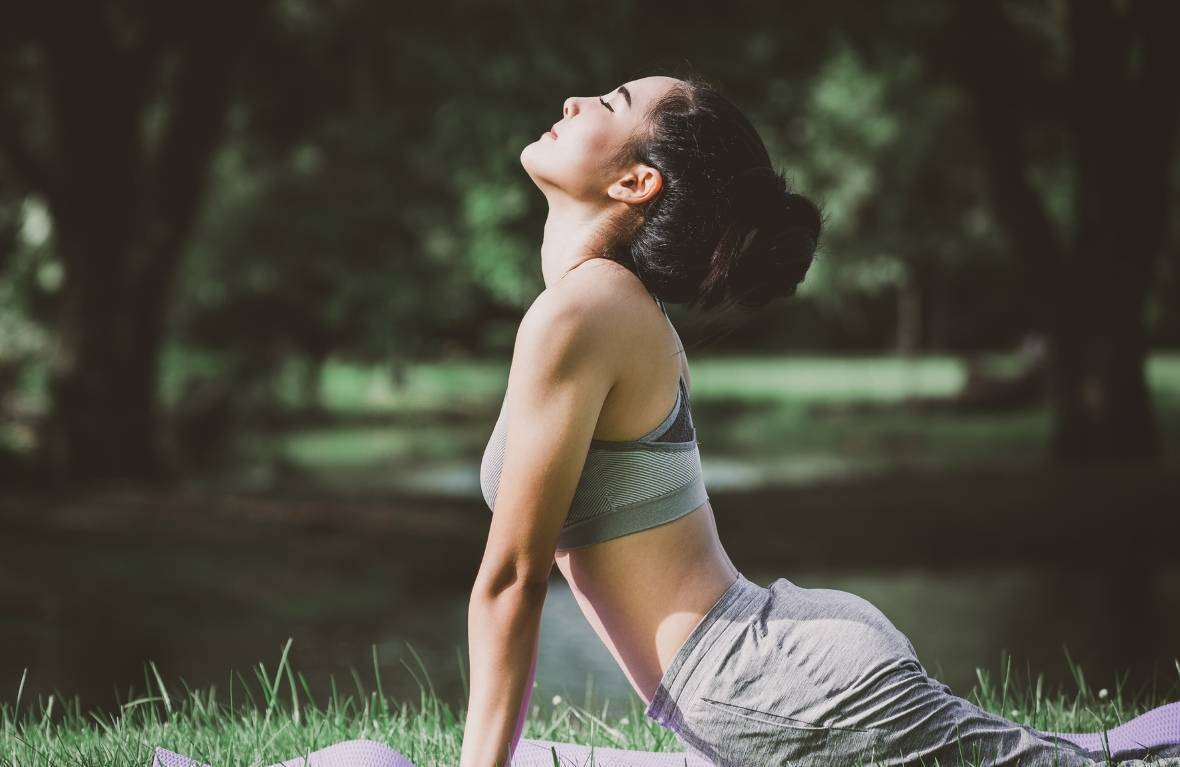
Whether you’re an athlete, a fitness enthusiast, or simply someone who enjoys staying active, muscle soreness is a common experience after a workout, physical activity, or even just from sitting in one position for too long. While it’s natural for muscles to feel sore after exertion, managing this soreness and promoting recovery is essential to prevent further discomfort or injury. One of the most effective and natural ways to aid muscle recovery is through yoga. Yoga not only helps to alleviate muscle soreness but also promotes overall healing, flexibility, and strength.
Understanding Muscle Soreness
Muscle soreness, often referred to as delayed onset muscle soreness (DOMS), typically occurs 24 to 48 hours after engaging in physical activity, especially activities that the body is not accustomed to. It happens when muscles experience micro-tears due to exertion, causing inflammation and discomfort. While muscle soreness is a normal part of physical activity, it can be uncomfortable and, if left unaddressed, may lead to stiffness, tension, and even injury.
To alleviate soreness, it’s crucial to focus on strategies that promote muscle relaxation, improve blood circulation, and enhance flexibility. Yoga offers a holistic approach to muscle recovery by addressing all these factors.
How Yoga Helps Relieve Muscle Soreness
Stretching and Lengthening Muscles
Yoga involves a wide range of stretching poses that help to lengthen and release tight muscles, which are common sources of soreness. Stretching helps improve flexibility by elongating muscle fibers and reducing tension, promoting a faster recovery process. Poses such as forward folds, pigeon pose, and childs pose target key muscle groups that often become tight and sore after exercise, including the hamstrings, hips, and lower back.
Regularly practicing yoga can prevent muscles from becoming overly tight, decreasing the frequency and intensity of soreness in the future.
Promoting Blood Circulation
Yoga encourages deep breathing and controlled movement, both of which enhance blood circulation. Increased blood flow helps deliver oxygen and nutrients to the muscles, which is essential for muscle repair and recovery. Good circulation also aids in flushing out toxins and lactic acid, which accumulate in muscles after intense exercise and contribute to soreness.
Poses like downward dog, warrior poses, and gentle twists help increase circulation to the muscles, speeding up the recovery process and reducing discomfort.
Improving Range of Motion
Tight muscles and joints can limit your range of motion, making it harder to move freely and comfortably. Yoga helps improve the range of motion by gently stretching and mobilizing muscles and joints. This allows for greater mobility and flexibility, helping you move more easily and reducing the likelihood of experiencing stiffness after a workout.
Yoga poses such as cat-cow, cobra, and the lunge series are excellent for opening up the hips, spine, and shoulders, areas that often become stiff and sore after exercise.
Releasing Tension and Reducing Stress
Physical activity often causes muscles to tense up, and the buildup of tension can prolong muscle soreness. Yoga incorporates relaxation techniques, including deep breathing and mindfulness, which help to reduce stress and relax the muscles. The mindful nature of yoga encourages the body to release built-up tension, leading to a greater sense of calm and relief from soreness.
Practices like restorative yoga, which focuses on passive stretches and breathwork, can be particularly helpful for relaxing tight muscles and relieving soreness.
Yoga Poses for Muscle Recovery and Soreness Relief
Certain yoga poses are particularly beneficial for relieving muscle soreness and promoting recovery. Incorporating these poses into your routine can help you recover faster and feel better after physical exertion.
Downward Dog
This classic yoga pose is a full-body stretch that targets the hamstrings, calves, shoulders, and spine. Downward dog helps stretch tight muscles, relieve tension, and improve circulation, making it an excellent pose for muscle recovery.
Childs Pose
Child’s pose is a restful posture that gently stretches the back, hips, and thighs while promoting deep relaxation. It is especially beneficial for releasing tension in the lower back and hips, areas that commonly become tight after workouts.
Pigeon Pose
Pigeon pose is a deep hip opener that stretches the hip flexors, glutes, and lower back. Tight hips can contribute to discomfort and muscle soreness, especially for those who engage in running or strength training. Pigeon pose helps to relieve tension in these areas, promoting recovery.
Cobra Pose
Cobra pose helps open up the chest and stretch the lower back, which is particularly helpful for those experiencing soreness in these areas after a workout. The gentle backbend also promotes spinal flexibility and relieves stiffness.
Forward Fold
Forward fold is a great stretch for the hamstrings, calves, and lower back. It helps to elongate the muscles in the back of the body, which can become tight after intense physical activity. This pose encourages relaxation and flexibility.
Reclining Bound Angle Pose (Supta Baddha Konasana)
This restorative pose allows the body to release tension and relax while gently stretching the inner thighs and hips. Its a great way to unwind after a tough workout and promote deep relaxation for the muscles.
The Role of Breath in Muscle Recovery
In addition to the physical poses, breathing techniques play a vital role in muscle recovery during yoga. Deep, controlled breathing helps activate the parasympathetic nervous system, which promotes relaxation and reduces muscle tension. The breath helps guide the body into a state of deep relaxation, allowing muscles to release tightness and restore balance.
Techniques such as diaphragmatic breathing, Ujjayi breath (victorious breath), and alternate nostril breathing can enhance the healing effects of yoga by reducing stress, promoting oxygen flow to the muscles, and encouraging recovery.
Yoga and Active Recovery
While yoga is a powerful tool for relieving muscle soreness, it is also an essential component of an active recovery routine. Active recovery involves low-intensity movement that helps the body recover from strenuous exercise. Yoga provides a gentle yet effective form of active recovery by encouraging movement without putting excessive strain on the body. Unlike complete rest, which can lead to stiffness, active recovery through yoga helps maintain circulation, mobility, and flexibility, which are all crucial for muscle repair.
Incorporating yoga into your recovery routine, whether after intense exercise or simply after a long day of sitting at a desk, helps promote long-term flexibility, reduce muscle soreness, and prevent injuries from occurring.
Conclusion
Using yoga to relieve muscle soreness and promote recovery is an effective, natural, and holistic approach. The combination of stretching, strengthening, and relaxation in yoga helps to reduce tightness, improve blood circulation, and enhance flexibility, leading to faster muscle recovery. Whether you’re an athlete looking to recover from a tough workout or someone experiencing discomfort from daily activities, yoga offers a safe and gentle way to alleviate soreness and restore your body to a state of balance. Integrating yoga into your routine not only supports muscle recovery but also enhances your overall physical and mental well-being.