Yoga for Emotional Well-Being explores targeted strategies for recovery. Discover new paths to mobility, healing, and personalized care.

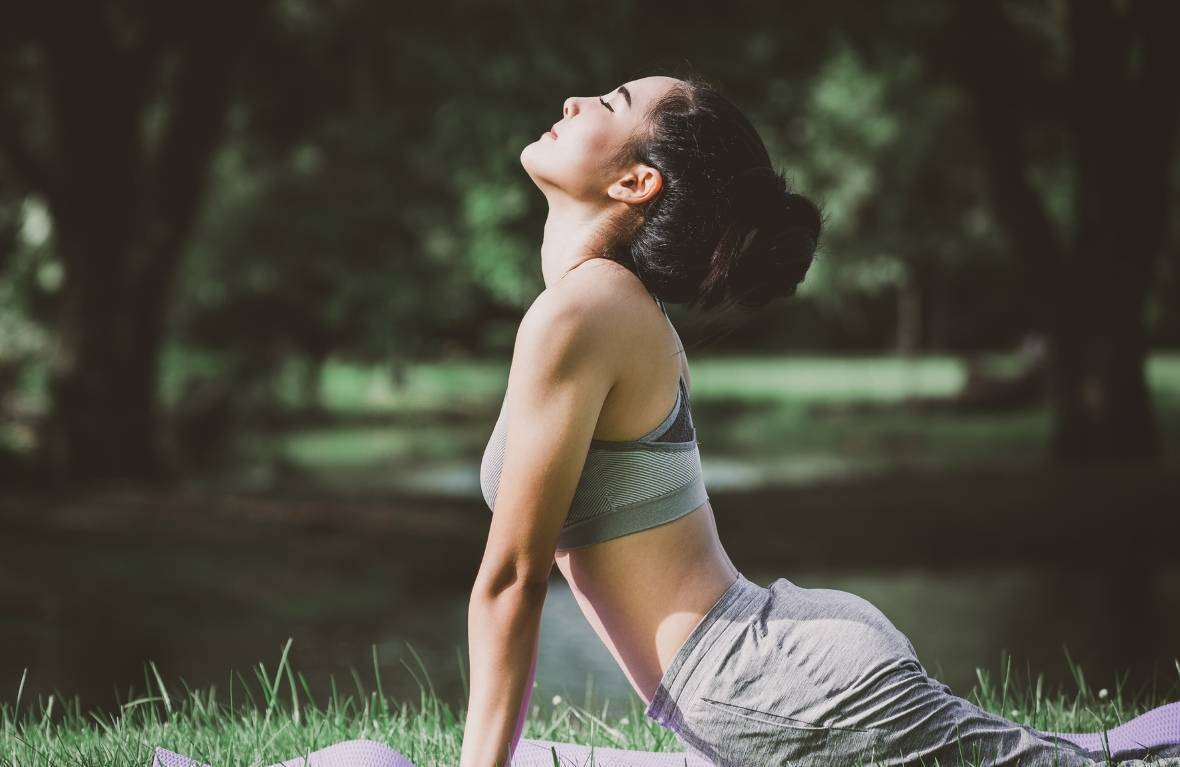
In todays fast-paced world, stress and anxiety often feel like the norm. Work, family responsibilities, financial pressure, and even social media can create a constant state of mental tension. But what if there were a proven, natural way to manage that emotional weight? Thats where yoga steps innot just as a physical exercise, but as a full-spectrum tool for emotional well-being.
Lets dive into how yoga helps manage stress and anxiety, and why its more relevant now than everespecially for Canadians balancing demanding schedules and mental health needs.
The Link Between Yoga and Mental Health
Unlike many fitness routines that focus purely on physical results, yoga connects the mind, body, and breath. This integration is key to managing emotional stress. Through regular yoga practice, you stimulate the parasympathetic nervous systemyour bodys natural “rest and digest” mode.
Yoga helps reduce cortisol (the stress hormone), lowers heart rate and blood pressure, and activates brain pathways associated with calm and clarity. Long-tail keywords such as yoga for anxiety relief in adults, mental health yoga routines, and natural stress management techniques through yoga reflect how deeply this practice supports emotional wellness.
How Yoga Reduces Stress and Anxiety
Regulated Breathing (Pranayama)
One of the most powerful stress-reduction tools in yoga is breathwork. Practices like alternate nostril breathing (Nadi Shodhana) and ocean breath (Ujjayi) calm the nervous system and help regulate emotions.
Mindful Movement
Gentle yoga flows shift your awareness away from anxious thoughts and into the present moment. These mindful transitions offer a moving meditation, promoting mental clarity.
Meditation and Stillness
Simple practices like seated meditation or Savasana (corpse pose) teach you how to sit with your thoughts without judgment, allowing anxiety to loosen its grip.
Physical Tension Release
Stress often shows up as tight shoulders, clenched jaws, or shallow breathing. Yoga stretches help release these built-up tensions, restoring your physical and mental balance.
Best Yoga Poses for Stress and Anxiety Relief
You dont need a perfect headstand to ease anxiety. Start with simple, grounding poses:
Childs Pose (Balasana) Encourages surrender and calms the mind.
Legs Up the Wall (Viparita Karani) Gently reverses blood flow, reduces fatigue, and promotes deep relaxation.
Seated Forward Bend (Paschimottanasana) Stretches the back body, encourages introspection, and soothes the nervous system.
Bridge Pose (Setu Bandhasana) Opens the heart and chest, reducing emotional heaviness.
Cat-Cow Pose (Marjaryasana-Bitilasana) Links breath with movement to relieve physical and mental tension.
Incorporate these poses into a short 15-minute daily sequence to support emotional balance.
Real-Life Mental Health Benefits of Yoga
Consistent yoga practice has shown to:
Reduce symptoms of generalized anxiety disorder
Improve sleep quality, especially for those with insomnia linked to stress
Increase serotonin levels, the brains natural mood stabilizer
Enhance emotional resilience and self-regulation in high-stress environments
Improve body awareness, reducing disassociation common with chronic stress
This makes yoga not just a reactive measure, but a proactive mental health strategy.
Yoga in the Canadian Mental Health Landscape
In Canada, stress and mental health issues are a growing concern. With long winters, urban living, and work-life pressures, anxiety and burnout are increasingly common. Yoga fits perfectly into a wellness routine because its adaptable, low-impact, and doesnt require expensive equipment or gym memberships.
Whether youre in a Toronto condo, a Vancouver studio, or rural Nova Scotia, a yoga mat and a few square feet of space are all you need to get started. And with growing access to Canadian yoga therapists and virtual classes, support is more accessible than ever.
How to Begin Your Yoga-for-Stress Journey
If you’re new to yoga and feeling overwhelmed by options, keep it simple. Start small, and stay consistent. Heres how:
Choose a beginner-friendly yoga for stress videoeven just 10 minutes a day can help.
Practice in a quiet, comfortable space where you feel safe.
Use your breath as your guide. If it feels hard to breathe, ease out of the pose.
Journal your emotional state before and after sessions to track your progress.
YFS recommends pairing your yoga practice with our upcoming mind-body wellness guides, created specifically for Canadians looking to reduce stress in holistic, sustainable ways.
Yoga Is More Than Movement
Yoga teaches that you are not your thoughtsand that peace can be found by tuning into your breath, grounding your body, and quieting your mind. While it wont eliminate lifes challenges, yoga gives you the emotional tools to face them with grace and resilience.
When practiced with intention, yoga becomes a form of emotional self-care that rewires your response to stress and cultivates inner peace.