How Yoga Helps Alleviate Tension in the Neck and Shoulders explores targeted strategies for recovery. Discover new paths to mobility, healing, and personalized care.

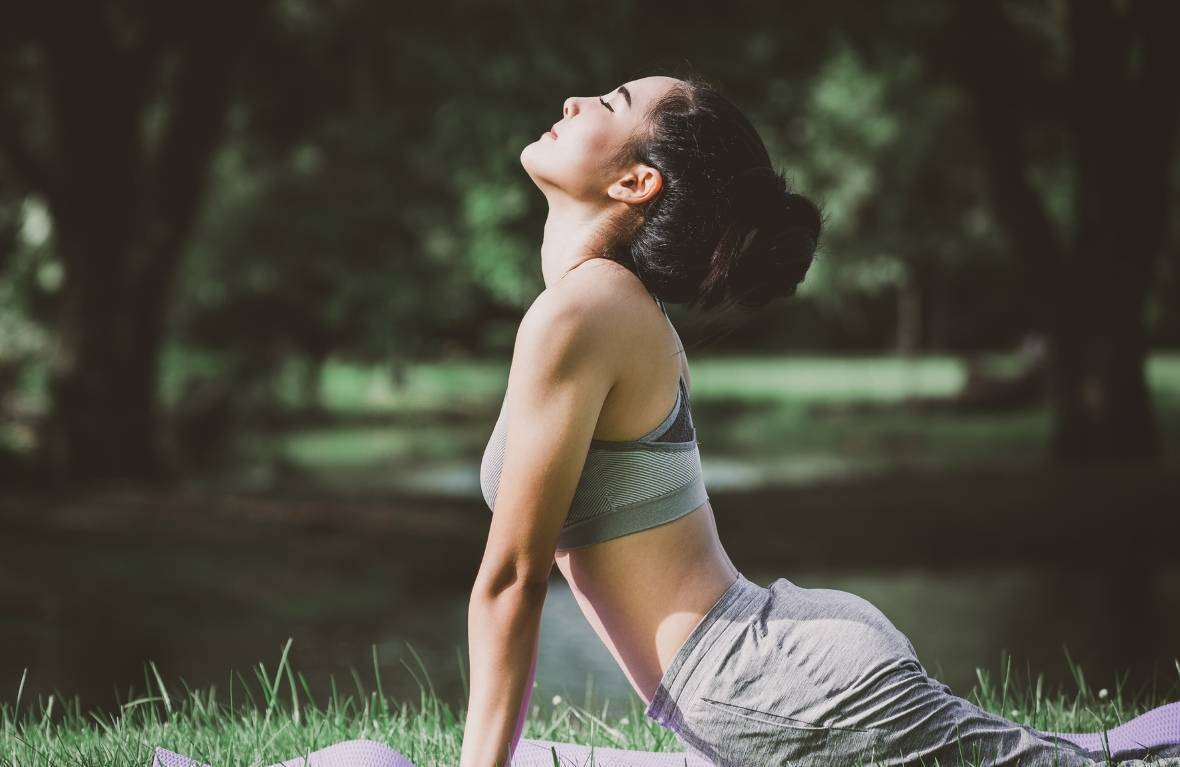
Neck and shoulder tension is a common problem in todays world, particularly for individuals who spend long hours sitting at a desk, working on computers, or engaging in repetitive movements. This type of tension can lead to discomfort, pain, and even headaches, significantly impacting daily life. Fortunately, yoga offers an effective and holistic approach to relieving tension in the neck and shoulders, promoting both physical and mental relaxation.
Yoga combines mindful movement, stretching, and breathwork, which can target the areas of tightness in the neck and shoulders. By focusing on proper alignment and releasing muscle tension, yoga can alleviate pain, improve flexibility, and reduce the risk of future discomfort. Whether you suffer from chronic tension or occasional stiffness, yoga can be an excellent practice to help you manage and overcome these issues.
How Yoga Relieves Neck and Shoulder Tension
Neck and shoulder tension often occur due to muscle tightness, poor posture, and stress. Long periods of sitting or slouching can cause the muscles around the neck and shoulders to contract, leading to stiffness and discomfort. In many cases, tension also affects the upper back and traps (trapezius muscles), exacerbating the problem.
Yoga helps by promoting proper posture and alignment, reducing the strain on the neck and shoulder muscles. Many yoga poses target these specific areas, providing gentle stretches that release tightness, improve circulation, and restore balance. By engaging in mindful movements, yoga encourages the body to relax, which helps to reduce stress and tension that may be contributing to the discomfort.
Yoga also incorporates deep breathing techniques, which activate the parasympathetic nervous system and help calm the body and mind. As stress is released, muscle tension decreases, leading to greater relaxation and relief from neck and shoulder pain.
Key Benefits of Yoga for Neck and Shoulder Tension
Muscle Relaxation: Yoga promotes the relaxation of tight muscles in the neck, shoulders, and upper back. Poses that gently stretch these areas can release built-up tension, providing immediate relief and improving mobility.
Improved Posture: Poor posture is a significant contributor to neck and shoulder tension. Yoga helps to strengthen the muscles that support the spine, encouraging better alignment and reducing strain on the neck and shoulders. By improving posture, you can prevent further discomfort and pain.
Increased Flexibility: Many yoga poses target the neck, shoulders, and upper back, increasing the flexibility of these areas. Greater flexibility helps reduce stiffness and allows for a more comfortable range of motion, making it easier to perform daily activities.
Stress Relief: Neck and shoulder tension are often exacerbated by stress. Yogas emphasis on deep breathing and mindful movement helps reduce stress levels, which in turn eases muscle tension and promotes relaxation.
Improved Circulation: Yoga increases blood flow throughout the body, including to the neck and shoulders. Better circulation helps relieve tension, reduce inflammation, and promote healing in the affected muscles.
Mind-Body Connection: Yoga encourages individuals to tune into their bodies and become aware of areas of tension. This increased body awareness can help you identify patterns of stress or discomfort and address them before they become chronic problems.
Recommended Yoga Poses for Neck and Shoulder Tension
Childs Pose (Balasana): This restorative pose gently stretches the back, hips, and shoulders while promoting relaxation. By resting the forehead on the mat and extending the arms forward, you can release tension in the neck and shoulders.
Cat-Cow Pose (Marjaryasana-Bitilasana): This dynamic movement helps to stretch the spine, neck, and shoulders. The gentle arching and rounding of the back while coordinating breath with movement can relieve tension in the upper body and improve flexibility.
Downward Dog (Adho Mukha Svanasana): Downward Dog is a full-body pose that stretches the shoulders, hamstrings, and spine. It also helps to release tightness in the neck and upper back, promoting better posture and mobility.
Neck Rolls: Gently rolling the neck in circular motions (clockwise and counterclockwise) can release tension in the neck muscles. This simple movement can help improve flexibility and relieve stiffness in the neck and shoulders.
Thread the Needle (Uttana Shishosana): This pose involves threading one arm under the other while in a tabletop position. It stretches the shoulders, upper back, and neck, helping to release tightness and improve mobility in these areas.
Eagle Arms (Garudasana Arms): This pose involves wrapping the arms in front of the body, stretching the shoulders and upper back. It helps release tension in the shoulders and neck while also improving shoulder flexibility.
Seated Forward Fold (Paschimottanasana): This forward fold stretches the back, hamstrings, and neck. By gently folding forward and letting the head hang toward the floor, you can release tension in the neck and shoulders while calming the nervous system.
Sphinx Pose (Salamba Bhujangasana): This gentle backbend stretches the chest, shoulders, and upper back while encouraging proper alignment of the spine. It can help alleviate tension in the neck and shoulders by opening up the front of the body.
How to Incorporate Yoga into Your Routine for Neck and Shoulder Tension
To alleviate neck and shoulder tension with yoga, aim for regular practice, at least 2-3 times a week. Start with simple poses and gradually incorporate more advanced stretches as your flexibility and strength improve. Focus on poses that specifically target the neck, shoulders, and upper back, and spend time holding each pose for 30-60 seconds to fully release tension.
Breathing is a critical component of relieving muscle tension in yoga. Practice deep, diaphragmatic breathing during each pose, focusing on slow inhales and exhales to encourage relaxation. This will help activate the parasympathetic nervous system and reduce stress levels, which can contribute to muscle tightness.
Incorporating yoga into your daily routine can have long-term benefits for neck and shoulder health. Even taking a few minutes each day to perform gentle stretches can help maintain flexibility, improve posture, and reduce the risk of developing chronic tension.
If you are new to yoga, consider joining a class or following a guided video to ensure proper alignment and technique. A certified yoga instructor can provide modifications for your specific needs, helping you achieve optimal results in alleviating neck and shoulder tension.