How Yoga Can Help Improve Your Breathing and Lung Function explores targeted strategies for recovery. Discover new paths to mobility, healing, and personalized care.

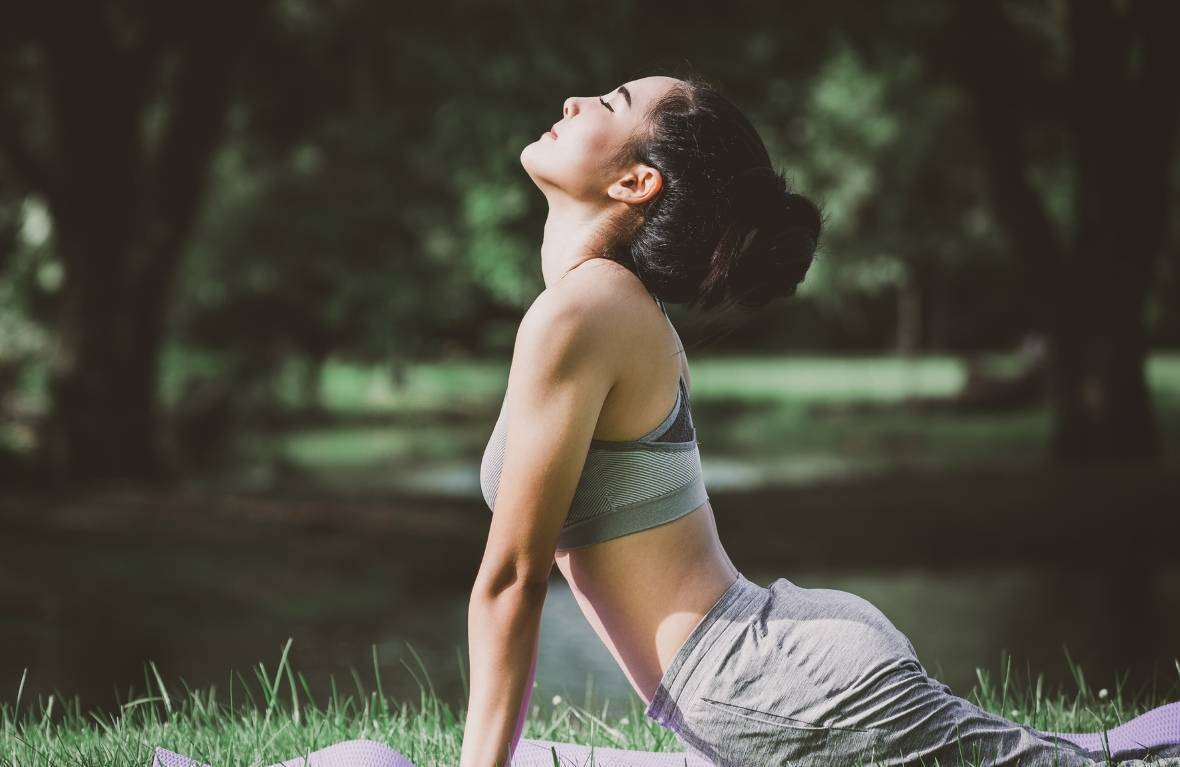
We breathe every minute of our lives, but how often do we actually pay attention to the way we breathe? For most people, breathing is shallow, rapid, and unconsciousespecially when under stress or dealing with poor posture. Thats where yoga offers a profound shift. Through intentional breathwork and mindful movement, yoga helps you unlock your lungs full capacity, improve respiratory health, and even support better emotional balance.
Lets explore how yoga improves breathing and why it matters for both short- and long-term lung function.
1. Why Breath Awareness Matters
Breath is the bridge between the body and the mind. When your breathing is calm, your nervous system follows suit. Shallow, rapid breathing, on the other hand, can:
Limit oxygen intake
Increase tension and anxiety
Contribute to fatigue and brain fog
Restrict lung expansion over time
Yoga teaches you to breathe deeply, fully, and consciously, creating a ripple effect of improved health across all body systems.
2. Yogic Breathing: Pranayama Explained
In yoga, breathwork is called pranayama, which means “control of life force.” Pranayama techniques strengthen the lungs, cleanse the respiratory system, and optimize oxygen-carbon dioxide exchange.
Common techniques include:
Dirga (Three-Part Breath): Teaches diaphragmatic breathing to increase lung capacity.
Nadi Shodhana (Alternate Nostril Breathing): Balances both sides of the brain and reduces anxiety.
Ujjayi (Ocean Breath): Slight constriction in the throat creates rhythmic, slow breathingideal for calming the mind.
Kapalabhati (Shining Skull Breath): Involves short, forceful exhalations to cleanse nasal passages and energize the body.
These techniques are powerful yet accessible, and they can be practiced at any age or fitness level.
3. Improving Diaphragmatic Function
The diaphragm is your primary breathing muscle. But with stress, poor posture, or chronic illness, it can become restricted. Yoga helps restore diaphragmatic strength and mobility by:
Encouraging postures that expand the rib cage (like cobra, bridge, or camel pose)
Creating awareness of abdominal breathing vs. chest breathing
Using breath retention and control to build lung resilience
Diaphragmatic breathing supports better oxygen uptake, promotes relaxation, and reduces the load on accessory breathing muscles (like the neck and shoulders).
4. Posture and Lung Expansion
Poor postureslouching at a desk, hunching over a phonecompresses your lungs and reduces air capacity. Yoga reverses this by:
Opening the chest with poses like fish, cow, and locust
Lengthening the spine in mountain pose and downward dog
Strengthening the muscles that support upright posture
Better posture means more space for the lungs to expandleading to deeper, more efficient breathing all day long.
5. Supporting Respiratory Health Conditions
Yoga is especially helpful for individuals with conditions such as:
Asthma
COPD (chronic obstructive pulmonary disease)
Allergies and sinus issues
Long-COVID recovery
While not a cure, yoga has been shown to:
Reduce shortness of breath
Improve oxygen saturation levels
Decrease reliance on rescue medications
Increase quality of life through better breath control
Always consult your healthcare provider before beginning pranayama if you have a diagnosed respiratory condition.
6. Stress Reduction and Breath Efficiency
When you’re stressed, your breath shortens. When your breath shortens, your body gets stressed. Its a cycle that yoga helps break.
Through mindful breath techniques, yoga lowers cortisol levels, reduces the fight-or-flight response, and trains your body to breathe more efficientlyeven in challenging situations. This not only helps your lungs but also benefits your cardiovascular and immune systems.
7. Yoga Poses That Open the Lungs
Certain yoga postures naturally encourage fuller breathing:
Bridge Pose (Setu Bandhasana): Opens the front body and stretches intercostal muscles.
Upward-Facing Dog (Urdhva Mukha Svanasana): Lifts the chest and strengthens the diaphragm.
Reclined Bound Angle Pose: Promotes deep belly breathing in a supported posture.
Twists (Supine or Seated): Help detoxify and expand the rib cage.
Holding these poses while focusing on slow, even inhalations and exhalations retrains the body for better breath mechanics.
8. Better Breathing, Better Living
Improved breathing leads to:
Greater energy levels
Sharper mental clarity
Better sleep quality
Stronger endurance during exercise
Faster recovery after physical or emotional stress
It also helps prevent respiratory infections by enhancing lung resilience and clearing out stale air from the lower lungs.
Final Thoughts
Yoga for breathing and lung function is not about doing fancy posesits about reclaiming the most basic function of life: your breath. Whether youre looking to manage a health condition, boost energy, or simply breathe easier, yoga offers accessible tools to make every breath more powerful and more healing.
Its simple: Breathe better, feel better, live betterwith yoga.