The Benefits of Yoga for Full-Body Wellness explores targeted strategies for recovery. Discover new paths to mobility, healing, and personalized care.

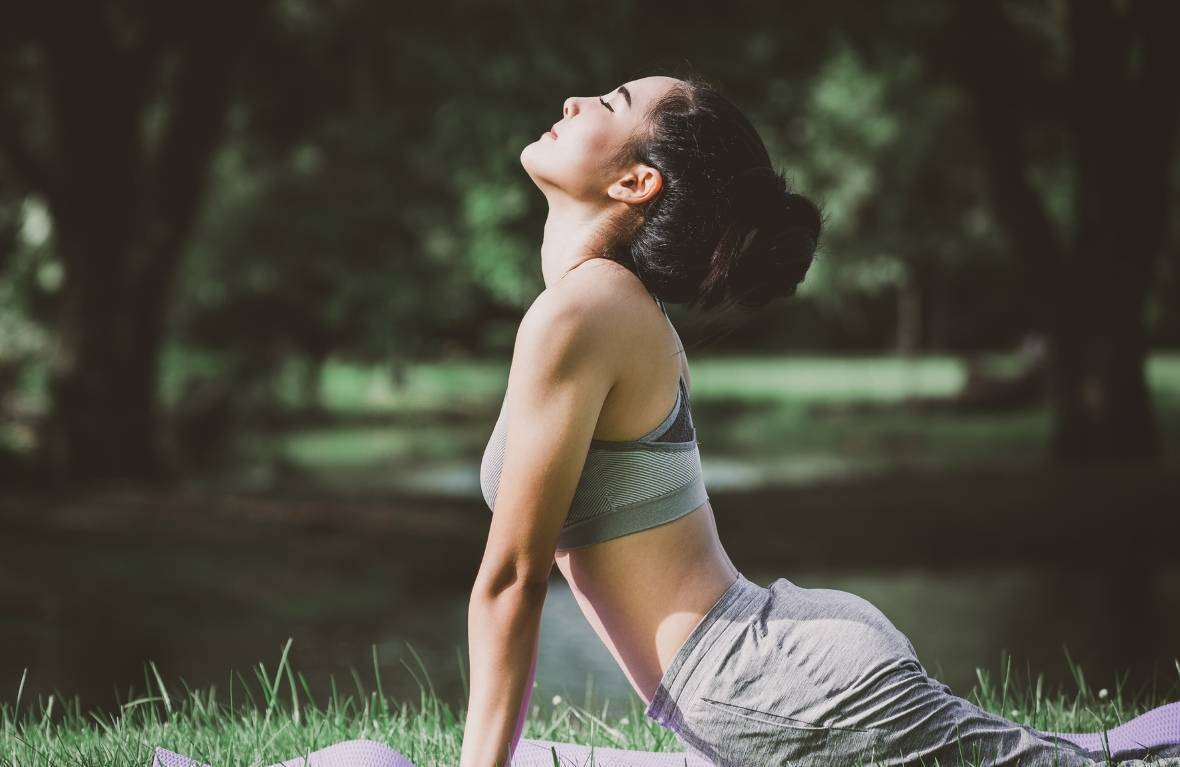
When people think of yoga, they often picture graceful poses and deep breathingbut yoga is so much more than a stretching routine. Its a full-body wellness system designed to bring strength, flexibility, balance, and inner peace together in one mindful practice.
Whether youre an active professional, recovering from an injury, or just trying to manage daily stress, yoga for full-body wellness delivers benefits that go far beyond the mat. In this blog, well explore how yoga supports every major system in the bodyfrom joints and muscles to circulation, digestion, and the nervous system.
What Is Full-Body Wellness?
Full-body wellness is a state of physical, mental, and emotional balance. Its not about having perfect healthit’s about maintaining resilience, mobility, strength, and calm across all areas of life. Yoga supports this by:
Improving mobility and joint health
Enhancing circulation and cardiovascular function
Building lean strength and balance
Reducing chronic pain and inflammation
Promoting restful sleep and energy recovery
Easing mental stress and anxiety
Its no wonder more Canadians are turning to yoga as a lifestyle solution, not just a workout.
1. Muscle Strength and Flexibility
Yoga strengthens while it stretches. Poses like Warrior II, Chair Pose, and Plank build functional strength using your body weight. At the same time, movements like Forward Folds and Lunges increase flexibilityespecially in the hips, hamstrings, shoulders, and back.
Improved flexibility reduces the risk of injury, eases tension, and allows for smoother, more efficient movement in daily life.
Best poses for this:
Downward Dog
Crescent Lunge
Bridge Pose
Cobra Pose
Seated Forward Bend
2. Joint Health and Mobility
Each yoga pose engages multiple jointsfrom ankles and knees to shoulders and wrists. By moving through full ranges of motion gently and consistently, yoga lubricates the joints, improves synovial fluid circulation, and strengthens surrounding muscles to stabilize and protect them.
This makes yoga an excellent practice for people with arthritis, joint stiffness, or recovering from musculoskeletal injuries.
3. Core Stability and Posture
A strong core supports everythingyour balance, your back, and your breathing. Yoga builds deep abdominal and spinal muscle strength, improving posture and reducing lower back strain.
Over time, youll notice better upright posture while sitting or standing, reduced fatigue, and increased control in everyday movements.
Try:
Boat Pose
Forearm Plank
Bird-Dog
Bridge with leg lifts
4. Circulation and Heart Health
Yoga enhances circulation by encouraging movement, deep breathing, and healthy blood flow. In more active styles of yoga (like Vinyasa), the combination of strength and flow supports cardiovascular endurance. In gentler styles, breathwork and stretching help regulate blood pressure and reduce the hearts workload.
The focus on slow, controlled breathing also oxygenates the body more efficientlysupporting both heart and brain function.
5. Digestive and Immune Function
Certain yoga poses gently compress and release the abdominal area, stimulating digestive organs and aiding detoxification. Twists and forward folds promote better digestion, reduce bloating, and even support gut-brain communication.
Yogas ability to reduce stress hormones like cortisol also supports the immune system by improving sleep, lowering inflammation, and calming the body’s fight-or-flight response.
6. Stress Relief and Mental Clarity
Yoga is perhaps best known for its powerful stress-relieving effects. Breathing exercises (pranayama), meditation, and slow-paced flows trigger the parasympathetic nervous system, which helps lower anxiety, ease mental fatigue, and support emotional resilience.
Many practitioners report better focus, creativity, and emotional stability after regular yoga sessionsbenefits that align beautifully with the high-performance demands of modern life.
7. Balance and Coordination
Balance isnt just about standing on one footits about how your body moves through space. Yoga challenges your balance in static and dynamic poses, training neuromuscular coordination, ankle and core strength, and mental concentration.
Improved balance helps prevent falls and injuries, especially as we age.
Best balancing poses:
Tree Pose
Warrior III
Half Moon Pose
Eagle Pose
Building a Full-Body Yoga Routine
To reap the benefits of yoga for full-body wellness, consistency matters. You dont need 90-minute classesa simple 20-minute daily routine can be transformative. Heres a sample structure:
Warm-Up (5 min): Cat-Cow, Downward Dog
Strength & Flow (10 min): Warrior II, Chair, Plank
Stretch & Cool Down (5 min): Seated Twist, Childs Pose, Savasana
Breathwork (5 min optional): Alternate Nostril Breathing or Box Breathing
Rotate poses to target different body parts through the week, and incorporate props or modifications as needed.
Final Thoughts
True wellness is about balancebetween strength and softness, movement and stillness, tension and release. Yoga delivers a full-body experience that nourishes every system, helping you move better, feel lighter, and live with more presence and purpose.
For professionals, parents, athletes, and everyone in between, yoga becomes a lifelong wellness toolone that empowers you to care for your body and mind, every single day.