How Yoga Improves Flexibility and Posture for a Pain-Free Life explores targeted strategies for recovery. Discover new paths to mobility, healing, and personalized care.

In the modern world, poor posture and limited flexibility have become widespread issues that affect many peoples daily lives. Whether due to long hours at a desk, sedentary behavior, or physical strain, these problems can lead to chronic pain, discomfort, and even long-term damage to the body. Thankfully, yoga is a highly effective solution to improving both flexibility and posture, resulting in a more comfortable, pain-free life.
In this blog, well explore how yoga can help you enhance flexibility and posture, ultimately reducing pain and discomfort.
The Connection Between Flexibility and Posture
Flexibility and posture are intimately connected. When your body is stiff or tight, particularly in the muscles, joints, or connective tissues, it can lead to poor posture. Tight muscles can restrict your range of motion and make it difficult to stand or sit upright with proper alignment. Over time, poor posture can lead to strain, misalignment of the spine, and even chronic pain in areas like the lower back, shoulders, and neck.
Improving your flexibility through yoga can alleviate these issues, allowing your body to naturally align itself and maintain proper posture.
How Yoga Improves Flexibility
1. Stretching and Lengthening Muscles
Flexibility is all about the ability to stretch and lengthen muscles without strain. Yogas focus on stretching poses encourages the elongation of muscles and the deep release of tightness. Poses such as Forward Fold (Uttanasana), Downward-Facing Dog (Adho Mukha Svanasana), and Pigeon Pose (Eka Pada Rajakapotasana) specifically target key areas like the hamstrings, hips, and spine, which are commonly tight and can restrict movement.
By practicing these poses regularly, you can gradually increase your flexibility, allowing your body to move more freely and comfortably.
2. Opening the Hips and Shoulders
Tight hips and shoulders are two common areas of discomfort for many individuals, particularly those who spend a lot of time sitting. Yoga poses like Childs Pose (Balasana), Cow Face Pose (Gomukhasana), and Wide-Legged Forward Fold (Prasarita Padottanasana) help open up these areas, improving mobility and relieving stiffness. When the hips and shoulders are flexible, it becomes much easier to maintain good posture and move without pain.
3. Improving Spinal Flexibility
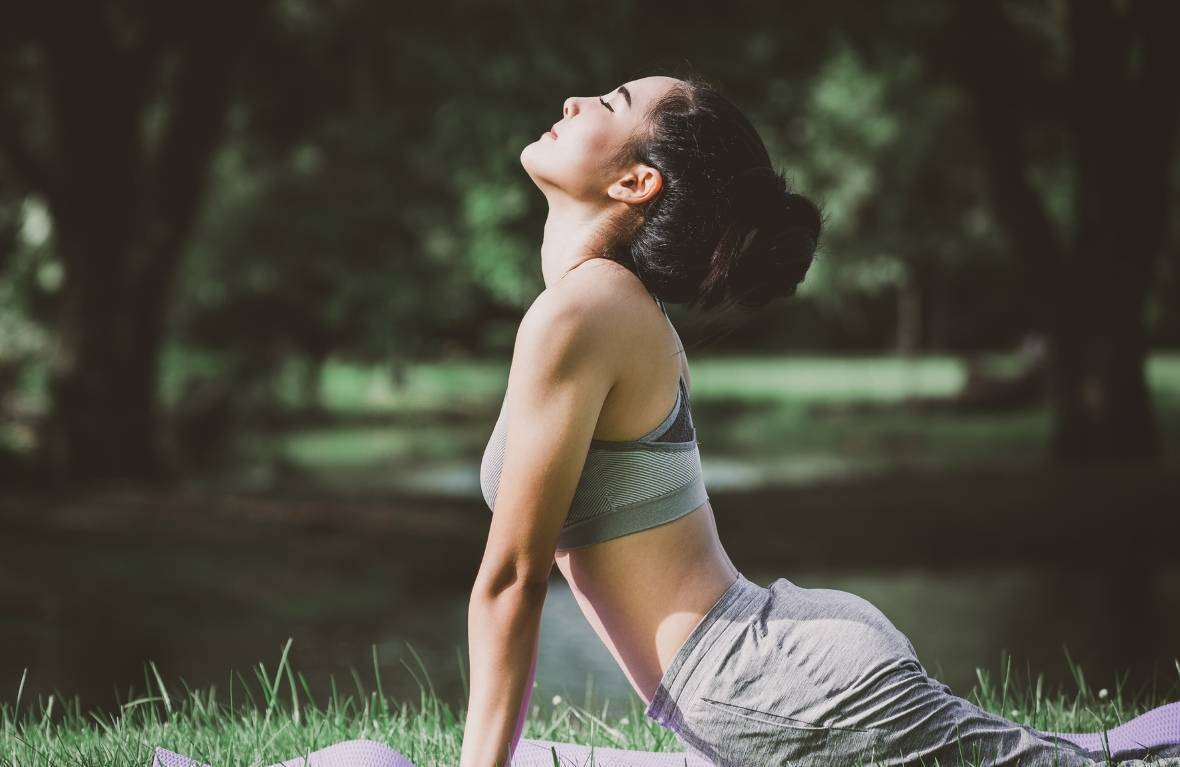
A flexible spine is key to good posture and overall well-being. Yoga poses like Cat-Cow (Marjaryasana-Bitilasana), Cobra Pose (Bhujangasana), and Wheel Pose (Chakrasana) promote spinal flexibility, helping to improve posture by allowing for better movement of the vertebrae. A flexible spine supports the natural curves of the back and prevents slouching or excessive curvature, which can cause pain and discomfort.
How Yoga Improves Posture
1. Strengthening Postural Muscles
Good posture is not only about flexibility; it also requires strength. The muscles that support your spine, shoulders, and hips need to be strong in order to keep you upright and prevent slumping. Many yoga poses help strengthen the muscles responsible for maintaining good posture, including the core, back, and shoulders.
For example, Warrior II (Virabhadrasana II) strengthens the legs and opens up the chest, while Plank Pose (Phalakasana) engages the core muscles. When these muscles are strengthened, your body naturally aligns itself and holds a more upright, stable posture.
2. Engaging the Core
A strong core is essential for maintaining good posture. Yoga emphasizes core strength in nearly every pose, from balancing poses like Boat Pose (Navasana) to restorative poses like Bridge Pose (Setu Bandhasana). When your core muscles are strong, they provide the support needed to keep your spine aligned and prevent slumping or hunching over.
3. Aligning the Spine
Yoga encourages mindfulness of the body and its alignment. Each pose emphasizes a focus on the spine and encourages you to keep your back straight and your shoulders aligned. Over time, this mindfulness improves body awareness, helping you make better posture choices in daily life. Poses like Mountain Pose (Tadasana) and Tree Pose (Vrksasana) are excellent for practicing proper alignment and cultivating an awareness of how to stand tall with good posture.
4. Releasing Tension in the Neck and Shoulders
Poor posture is often a result of tension in the neck and shoulders, especially for those who spend long hours working at a desk or hunched over a phone. Yoga poses like Shoulder Bridge (Setu Bandhasana), Eagle Pose (Garudasana), and Shoulder Rolls can help release this tension, allowing the shoulders to relax and settle into a natural position. When the shoulders are relaxed and aligned, it becomes much easier to maintain good posture without discomfort.
The Role of Breath in Flexibility and Posture
In addition to the physical benefits, yoga incorporates mindful breathing, which plays a crucial role in improving both flexibility and posture. Breathwork encourages the body to relax into stretches, allowing muscles to lengthen more effectively. Deep breathing also helps reduce stress and tension, which can contribute to poor posture.
By focusing on your breath throughout your practice, you create space for the muscles to release and open up. This makes it easier to achieve a deeper stretch and hold poses with proper alignment. Controlled breathing also enhances the mind-body connection, allowing you to stay present and mindful of your posture both during yoga and throughout your daily life.
How Often Should You Practice Yoga for Flexibility and Posture?
To see noticeable improvements in flexibility and posture, it’s recommended to practice yoga consistently. For the best results, aim to practice yoga 3-4 times per week. You dont need to hold long sessions every time; even 20-30 minutes of focused yoga can be incredibly effective. The key is to be consistent and mindful in your practice.
If youre new to yoga, start with beginner-friendly classes or videos that focus on flexibility and alignment. As you become more comfortable, you can progress to more advanced poses that challenge both your flexibility and posture.
Conclusion
Yoga is a powerful tool for improving flexibility and posture, two critical components of a pain-free life. By stretching and strengthening key muscles, releasing tension, and cultivating body awareness, yoga helps to reduce discomfort and promote long-term well-being. Whether you’re dealing with chronic pain, poor posture, or simply want to improve your overall health, yoga offers a natural, effective way to achieve a balanced and pain-free body.
So, roll out your mat, breathe deeply, and let yoga guide you toward a more flexible, aligned, and pain-free life.