Gait Analysis explores targeted strategies for recovery. Discover new paths to mobility, healing, and personalized care.

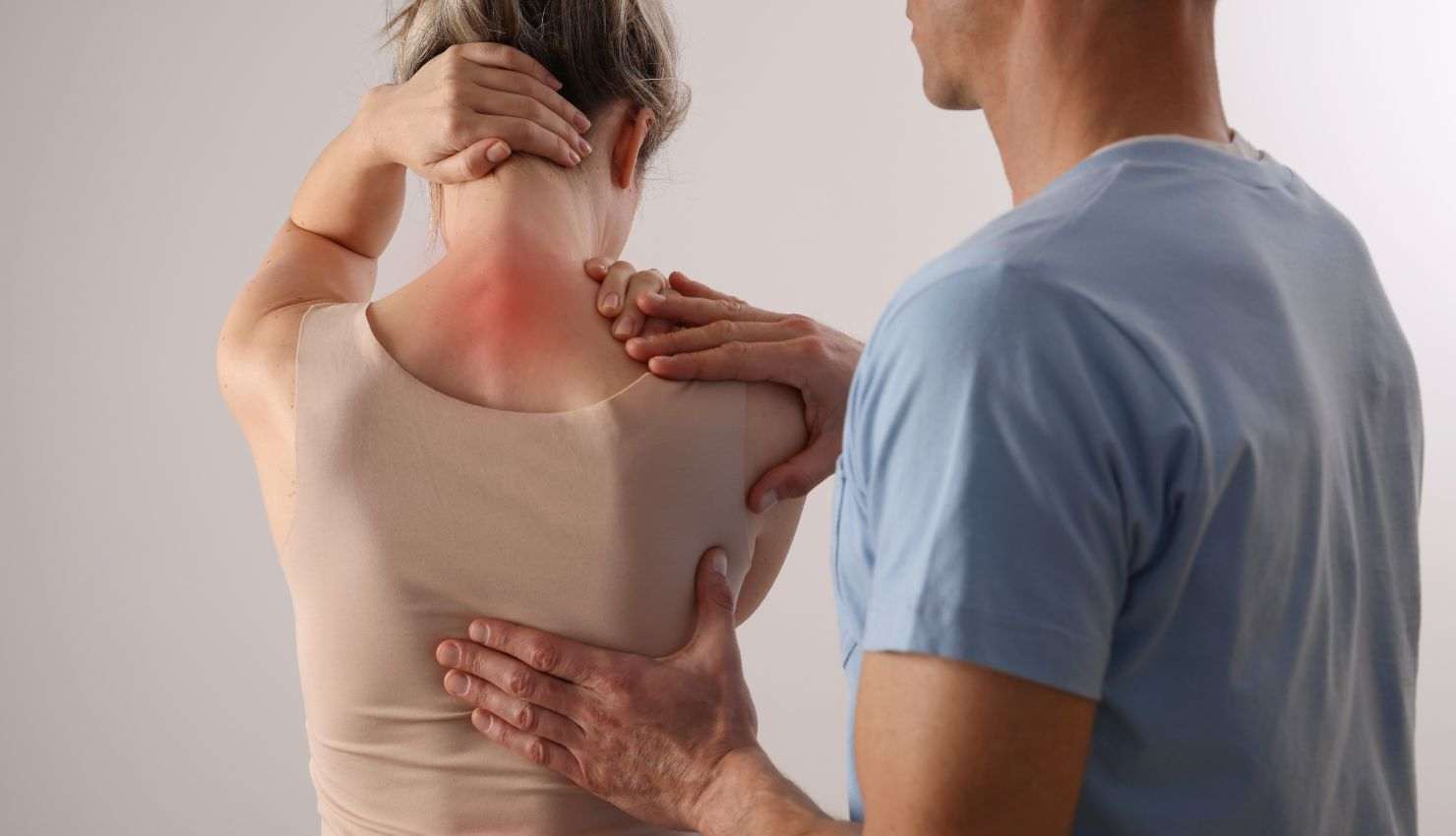
Walking is one of the most fundamental human activities, yet many people walk with inefficient mechanics that can contribute to pain, fatigue, and injury. Gait analysis is a powerful tool that helps evaluate your walking patterns in detail and guides improvements to optimize movement, enhance comfort, and prevent problems before they arise.
What Is Gait Analysis?
Gait analysis involves studying the way your body moves while you walk or run. This evaluation looks at various factors including stride length, foot placement, joint angles, weight distribution, and timing of each phase of the gait cycle. Professionals use technology such as video recordings, pressure sensors, and motion capture to collect precise data.
Why Is Improving Walking Mechanics Important?
Poor walking mechanics can cause uneven loading on joints and muscles, leading to issues such as plantar fasciitis, shin splints, knee pain, or even hip and lower back discomfort. Over time, inefficient gait can also cause muscle imbalances and increase the risk of falls or injuries.
By improving your walking mechanics, you can:
Reduce stress and strain on your body
Increase walking efficiency and endurance
Alleviate pain caused by abnormal movement patterns
Enhance balance and stability
Key Components Evaluated in Gait Analysis
Foot Strike: How your foot lands on the groundheel strike, midfoot strike, or forefoot strike
Pronation and Supination: The inward or outward rolling of the foot
Stride Length and Cadence: The distance covered per step and the number of steps per minute
Pelvic and Hip Movement: Rotation and stability during walking
Postural Alignment: How your head, shoulders, and spine align throughout gait
How Gait Analysis Leads to Improved Mechanics
Once gait abnormalities are identified, targeted interventions can be implemented. These may include:
Custom Orthotics: To correct foot alignment and improve support
Physical Therapy Exercises: Strengthening and stretching to address muscle imbalances
Footwear Recommendations: Shoes that accommodate your unique foot and gait characteristics
Movement Training: Techniques to consciously alter walking patterns for better efficiency
Who Should Consider Gait Analysis?
Anyone experiencing foot, knee, hip, or back pain, balance problems, or those who want to optimize athletic performance can benefit from gait analysis. It is particularly valuable for:
Runners and athletes
Seniors with balance or mobility concerns
Individuals recovering from injury or surgery
People with chronic musculoskeletal pain
Conclusion: Take Steps Toward Better Mobility
Understanding and improving your walking mechanics through gait analysis is a proactive way to maintain foot health, prevent injury, and enhance your overall mobility. With personalized guidance and interventions, you can enjoy a more comfortable and efficient gait that supports an active, pain-free lifestyle.