How Gait Analysis Enhances the Effectiveness of Your Physiotherapy Treatment explores targeted strategies for recovery. Discover new paths to mobility, healing, and personalized care.

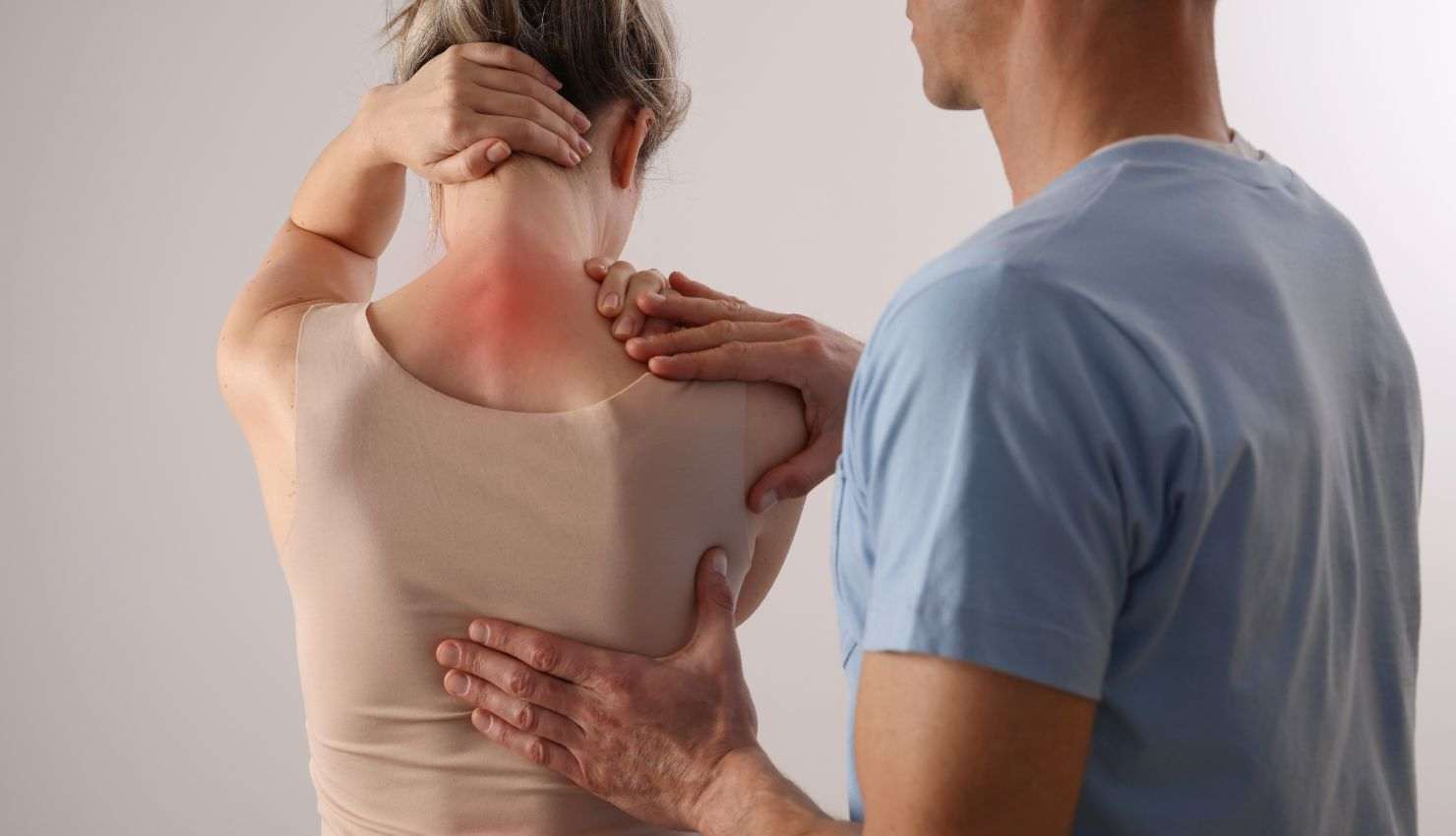
Physiotherapy is a powerful tool for healing injuries, managing pain, and improving movement. However, its effectiveness depends heavily on understanding how your body movesand where dysfunction lies. Thats where gait analysis comes in. By evaluating the way you walk, stand, and bear weight, gait analysis offers physiotherapists precise insights that allow them to tailor treatment plans for greater accuracy, faster recovery, and long-term success. Its the difference between generalized care and deeply personalized therapy that targets the root causes of your symptoms.
What Is Gait Analysis?
Gait analysis is the systematic study of human walking patterns. It involves observing and measuring how the body moves from head to toe while in motion. This assessment can include:
Video capture of stride and joint movement
Pressure mapping to assess foot loading
Joint angle measurements
Timing and cadence evaluation
Postural assessments during motion
At YFS, physiotherapists use these data points to detect irregularities and compensations that may be contributing to pain or poor functionmany of which are invisible during a standard physical exam.
Making Physiotherapy More Precise
One of the biggest challenges in physiotherapy is identifying the true source of pain. For example, lower back pain may be caused by a hip imbalance, or recurring knee pain could stem from poor foot alignment. Gait analysis helps physiotherapists:
Detect the root cause of pain and movement dysfunction
Identify asymmetries in stride, posture, or joint movement
Map the chain of compensations throughout the body
Understand how everyday movement habits affect recovery
This information allows for the development of more effective, data-driven physiotherapy plans that are targeted and efficient.
A Customized Approach to Treatment
With gait analysis, physiotherapy shifts from generalized routines to personalized interventions. Based on the results, your physiotherapist might design a plan that includes:
Muscle strengthening for specific weaknesses
Stretching to release tight or overactive muscles
Balance and proprioception training
Manual therapy to correct joint restrictions
Postural retraining for long-term movement correction
This kind of customization reduces the risk of setbacks and accelerates healing by addressing your unique movement patterns.
Revealing What You Cant Feel
One of the key benefits of gait analysis is its ability to uncover issues you might not feel yet. For instance, you may not notice youre shifting weight to one leg, or that your foot rolls inward slightly with every step. These small changes can contribute to larger problems down the road, such as joint degeneration, muscle strain, or chronic pain.
By catching these early, gait analysis allows your physiotherapist to intervene before a small issue becomes a major onehelping you stay ahead of injury and discomfort.
Enhancing Recovery from Injury or Surgery
Gait analysis is particularly valuable in post-injury or post-surgical rehabilitation. After events like:
ACL reconstruction
Hip or knee replacement
Ankle sprains
Stress fractures
Foot surgery
Patients often develop altered walking patterns to avoid pain. Unfortunately, these compensations can persist even after healing, causing imbalance and strain elsewhere in the body. Gait analysis helps retrain the body to move correctly again, ensuring a smoother, safer return to activity.
Supporting Long-Term Movement Efficiency
Even if youre not recovering from an injury, improving how you move can enhance your daily life. With gait analysis, physiotherapy helps:
Reduce fatigue during walking or running
Improve posture and balance
Enhance sports performance
Prevent future injuries
Support better joint and spine health
These long-term benefits translate into better overall well-being, fewer physical limitations, and more confidence in your movement.
Integration with Custom Orthotics
Often, gait analysis reveals the need for structural support. If foot alignment issues are contributing to your dysfunction, your physiotherapist may recommend custom orthotics. These inserts are designed based on gait data and:
Support arches
Correct foot alignment
Distribute pressure evenly
Reduce muscle fatigue
Combined with physiotherapy, orthotics reinforce proper movement and support recovery by addressing the mechanical cause of many problems.
Monitoring Progress Over Time
Another advantage of gait analysis is the ability to track your progress. Reassessments at different stages of treatment allow physiotherapists to:
Measure improvements in movement quality
Adjust exercises based on evolving needs
Identify any return of old patterns
Keep treatment plans dynamic and effective
This ongoing feedback loop ensures your therapy stays on course and continues to deliver results.
The Smartest Start to Your Treatment Plan
Gait analysis is more than a diagnostic toolits a strategic advantage. It gives physiotherapists the knowledge they need to treat not just symptoms, but the movement patterns causing them. By integrating gait analysis into your physiotherapy journey at YFS, you get faster relief, more sustainable results, and a deeper understanding of your body.
If youre dealing with recurring pain, recovering from injury, or simply want to move better, a gait analysis is the smartest place to start. Your personalized path to wellness begins with how you walk.