The Role of Gait Analysis in Correcting Scoliosis and Spinal Misalignments explores targeted strategies for recovery. Discover new paths to mobility, healing, and personalized care.

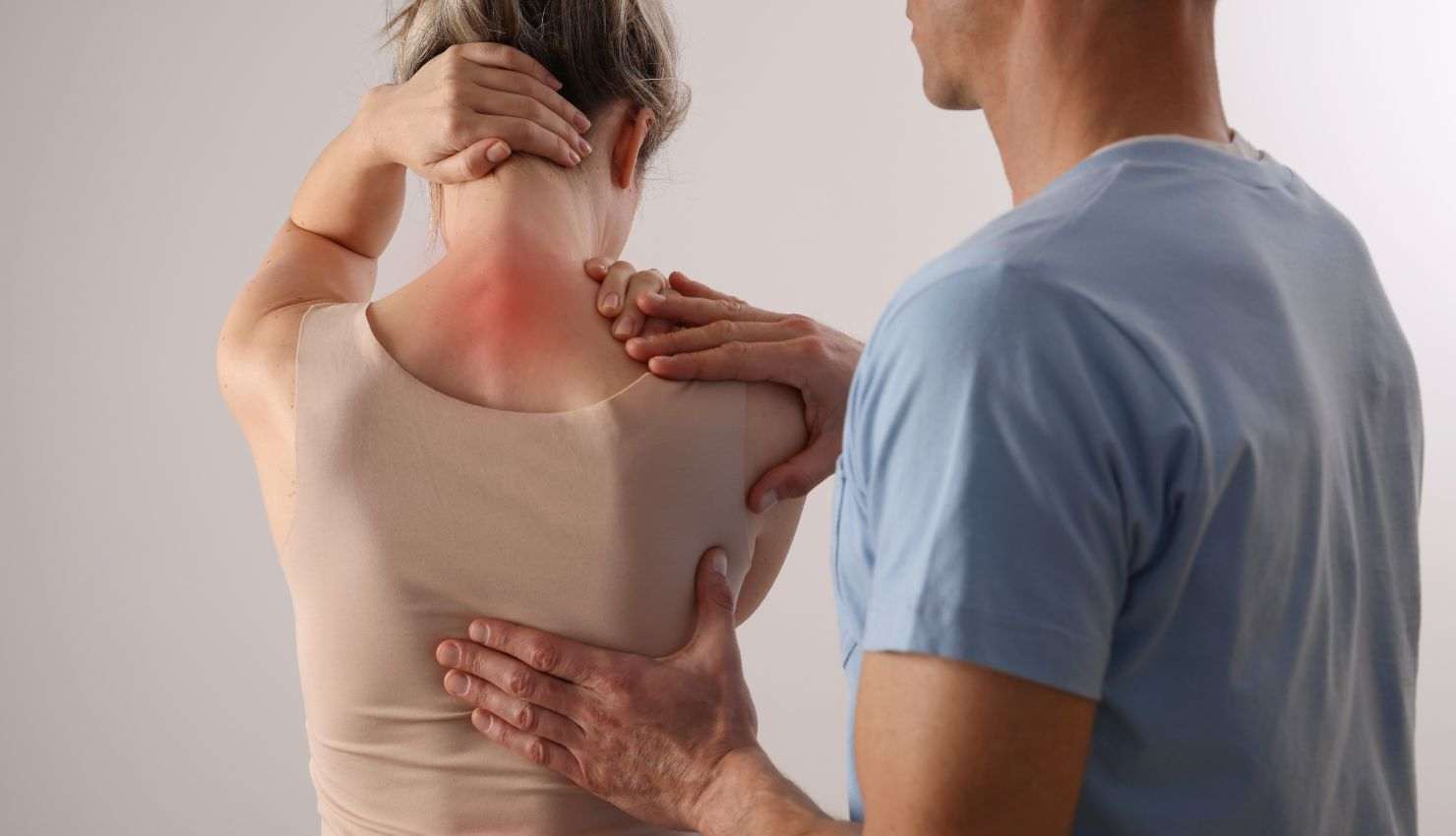
Scoliosis and spinal misalignments are conditions that often lead to chronic discomfort, movement dysfunction, and impaired posture. While many patients pursue chiropractic or physiotherapy interventions to manage these conditions, gait analysis has emerged as a valuable diagnostic and therapeutic tool in achieving better spinal alignment and improved mobility. By studying the biomechanics of walking and running, gait analysis offers insights into muscular imbalances and asymmetries that may contribute to or worsen spinal deviations.
Understanding Scoliosis and Spinal Misalignments
Scoliosis is defined as an abnormal lateral curvature of the spine that typically develops in adolescence but may also appear in adults. Spinal misalignments, more broadly, refer to deviations from the ideal spinal posture caused by trauma, repetitive stress, poor ergonomics, or underlying neuromuscular disorders. These misalignments not only affect spinal stability but also alter the bodys kinetic chain, influencing how the feet, knees, hips, and shoulders function together.
What Is Gait Analysis?
Gait analysis is a comprehensive assessment of the way a person walks or runs. It involves evaluating foot strike patterns, joint angles, stride length, limb coordination, and muscle engagement. In clinical physiotherapy settings like Your Form Sux (YFS) in Canada, gait analysis is often performed using high-definition video, force plates, and motion sensors to provide a detailed picture of lower limb biomechanics and spinal alignment during movement.
The Link Between Gait and Spinal Health
Every step we take involves a coordinated sequence of muscle contractions and joint movements, all influenced by how our spine supports the body. When the spine is misaligned, even slightly, it creates compensatory movement patterns in the legs and pelvis. These compensations become ingrained over time, contributing to muscle imbalances, abnormal gait cycles, and uneven joint loading.
For individuals with scoliosis, the asymmetrical curvature of the spine can lead to uneven leg lengths or pelvic tilts, which in turn distort gait patterns. Gait analysis can detect these discrepancies early, providing critical information for developing a personalized treatment plan that addresses both the symptoms and the root causes.
How Gait Analysis Supports Correction and Rehabilitation
Identifies Asymmetries and Weight Distribution Issues
Gait analysis identifies subtle differences in how each foot strikes the ground, how weight is distributed through each leg, and how the pelvis and trunk respond during locomotion. These insights are vital in determining how spinal misalignments are impacting functional movement.
Guides Custom Orthotic Design
When required, the data collected through gait analysis can be used to design custom orthotics that correct foot posture, improve weight distribution, and indirectly support spinal alignment. These orthotics are especially helpful in reducing compensatory movements that worsen scoliosis or spinal strain.
Informs Targeted Physiotherapy Interventions
With clear biomechanical data, physiotherapists can prescribe more targeted exercises that strengthen underused muscle groups and release overactive ones. This supports spinal realignment by restoring balance throughout the musculoskeletal system.
Monitors Progress Over Time
Regular gait assessments allow clinicians to track changes in walking patterns and spinal posture throughout treatment. This helps ensure that interventions remain effective and responsive to the patients evolving needs.
Benefits of Gait Analysis for Scoliosis Management
Improved Postural Awareness: Patients often become more conscious of their walking posture and body mechanics, enabling them to make real-time corrections.
Reduction in Pain and Fatigue: Correcting gait and spinal alignment reduces pressure on the back and legs, easing pain and enhancing endurance.
Increased Mobility and Confidence: When movement becomes more efficient and less painful, patients regain their freedom to engage in daily activities and exercise without fear of injury.
Why Gait Analysis Matters for Long-Term Outcomes
Addressing spinal misalignments and scoliosis is not just about the spine itselfits about understanding how the entire body moves in response to dysfunction. Gait analysis reveals the broader mechanical consequences of spinal issues, providing the information needed to create an integrated plan for healing and long-term health. For many patients, especially those experiencing chronic postural discomfort, this holistic approach is essential for recovery.
Integrating Gait Analysis into Your Care Plan at YFS
At Your Form Sux, we combine advanced gait analysis with personalized physiotherapy and custom orthotic solutions to support clients dealing with scoliosis and other spinal issues. Whether you’re recovering from a diagnosis or seeking preventive support, our clinical team uses movement-based data to design care that adapts to your bodys unique needs. With consistent monitoring and intervention, gait analysis becomes a foundational tool in restoring alignment, easing pain, and promoting lifelong mobility.
Realigning Your Path Forward
Scoliosis and spinal misalignments are complex conditionsbut their management doesnt have to be. Through gait analysis, patients can understand how their bodies compensate for spinal curvature and how small adjustments in walking mechanics can make a big difference. By addressing the source of biomechanical imbalance, gait analysis offers a proactive path to postural correction, functional rehabilitation, and a more balanced life.