How Gait Analysis Improves Posture and Walking Patterns in Seniors explores targeted strategies for recovery. Discover new paths to mobility, healing, and personalized care.

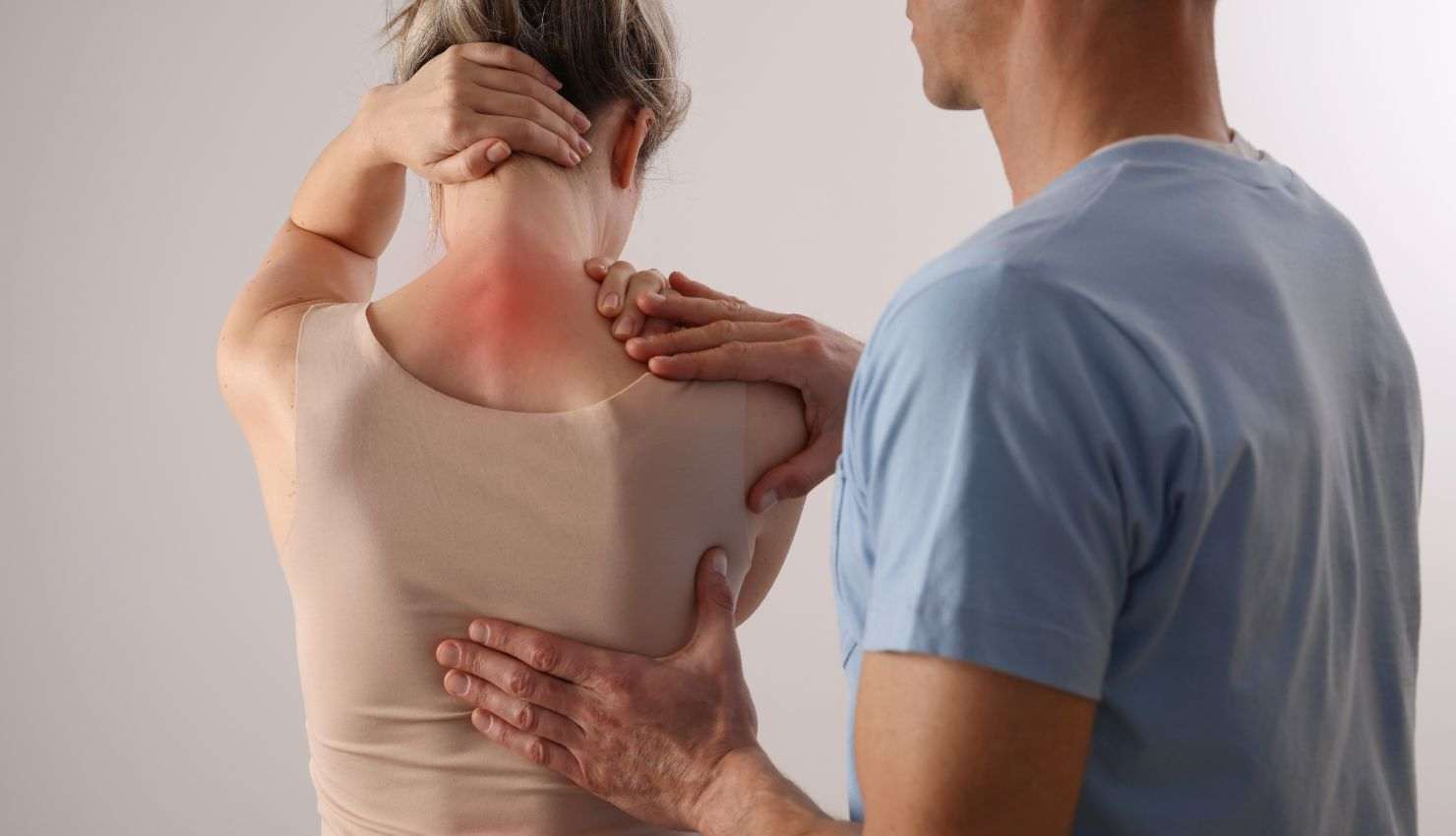
As we age, maintaining proper posture and walking mechanics becomes increasingly important. Seniors often experience changes in balance, muscle strength, and joint flexibility that affect the way they move. These changes can lead to unsafe gait patterns, posture misalignments, and a higher risk of falls or chronic pain. Gait analysis offers a modern and effective way to evaluate these issues and create targeted strategies to improve movement and overall quality of life.
Understanding Gait and Posture in Older Adults
A persons gait refers to the way they walk, while posture reflects the alignment of the body while standing or moving. In seniors, age-related changes such as muscle weakening, reduced flexibility, arthritis, or neurological conditions can negatively affect gait and posture. These shifts can be subtle at first but gradually lead to:
Forward-leaning posture
Shorter stride length
Uneven step timing
Increased foot drag or shuffle
Difficulty maintaining balance
These changes not only affect comfort and confidence but also increase the risk of falls, which are a leading cause of injury among older adults.
What Is Gait Analysis?
Gait analysis is a detailed assessment conducted by physiotherapists to evaluate walking patterns and postural alignment. Using tools such as pressure mats, video analysis, and motion sensors, clinicians examine how each part of the body moves while walking. This includes the feet, ankles, knees, hips, and spine.
For seniors, gait analysis uncovers how and why walking mechanics have changed. It reveals muscular imbalances, joint stiffness, foot misalignments, and other issues that may go unnoticed during routine exams.
How Gait Analysis Helps Improve Posture in Seniors
Identifies Postural Compensations
Seniors often develop compensatory habits to cope with pain or instability. Gait analysis detects forward head tilt, pelvic drop, or slouched shoulders, helping physiotherapists design interventions that restore proper alignment.
Targets Muscle Imbalances
A common issue in aging populations is muscle weakness in the core, hips, or calves. Gait analysis pinpoints where support is lacking, guiding the development of strengthening and stretching programs to support an upright, balanced posture.
Improves Balance and Weight Distribution
Seniors may shift weight unevenly to one side due to pain or habit. Gait analysis shows exactly where pressure is unevenly distributed, allowing for corrections that improve stability and reduce fall risk.
Supports Better Spinal Alignment
Posture issues often stem from poor spinal alignment. Gait assessment reveals how each movement affects spinal posture during walking, which can then be corrected with therapy and supportive devices.
Enhancing Walking Patterns Through Gait Analysis
Increasing Stride Length and Efficiency
Short, uneven steps are common in seniors and may result from fear of falling or reduced joint mobility. Gait analysis helps physiotherapists address joint stiffness and improve step length through mobility exercises and gait retraining.
Correcting Asymmetrical Movements
Limping, dragging a foot, or hip hike are signs of asymmetry. Gait analysis provides data to correct these imbalances and restore symmetry to the walking pattern.
Improving Step Timing and Rhythm
Inconsistent step timing can signal neurological or muscular issues. By analyzing cadence and step frequency, therapists can help seniors regain rhythm in their gait, increasing confidence and energy efficiency.
Guiding the Use of Custom Orthotics or Walking Aids
Gait analysis determines whether an individual would benefit from orthotics or assistive devices. Custom orthotics may be recommended to improve foot alignment, absorb shock, or provide arch supporthelping maintain a more stable gait.
Integrating Gait Analysis into a Physiotherapy Plan
Gait analysis is a foundational tool in senior care, but it delivers the best results when combined with ongoing physiotherapy. Based on the analysis, a physiotherapist can create a personalized plan that may include:
Core and hip strengthening
Balance and proprioception training
Joint mobilization techniques
Postural correction exercises
Instruction on safe walking mechanics
Progress can be monitored through follow-up gait assessments, ensuring that the improvements in posture and movement are measurable and sustainable.
When Should Seniors Consider Gait Analysis?
Gait analysis is recommended for older adults who:
Experience frequent falls or feel unsteady while walking
Have chronic foot, knee, hip, or back pain
Show signs of posture deterioration or uneven gait
Are recovering from surgery or injury
Want to maintain independence and prevent future mobility issues
Early intervention can slow or even reverse the decline in walking ability, preserving mobility and enhancing confidence in daily activities.
Long-Term Benefits for Senior Wellness
The insights gained from gait analysis go far beyond short-term adjustments. Seniors who undergo gait analysis and follow tailored physiotherapy plans often experience:
Reduced pain
Better posture and spinal alignment
Enhanced walking speed and efficiency
Lower risk of falls
Improved quality of life and independence
By investing in movement assessment, seniors take a proactive step toward staying active, balanced, and mobile for years to come.
Moving Forward with Confidence
Aging doesnt have to mean a decline in mobility or posture. With the right tools, like gait analysis and physiotherapy, seniors can regain control over how they move, walk, and feel every day. Addressing movement issues now not only prevents injury but also supports a healthier, more confident lifestyle.