The Role of Gait Analysis in Optimizing Athletic Performance explores targeted strategies for recovery. Discover new paths to mobility, healing, and personalized care.

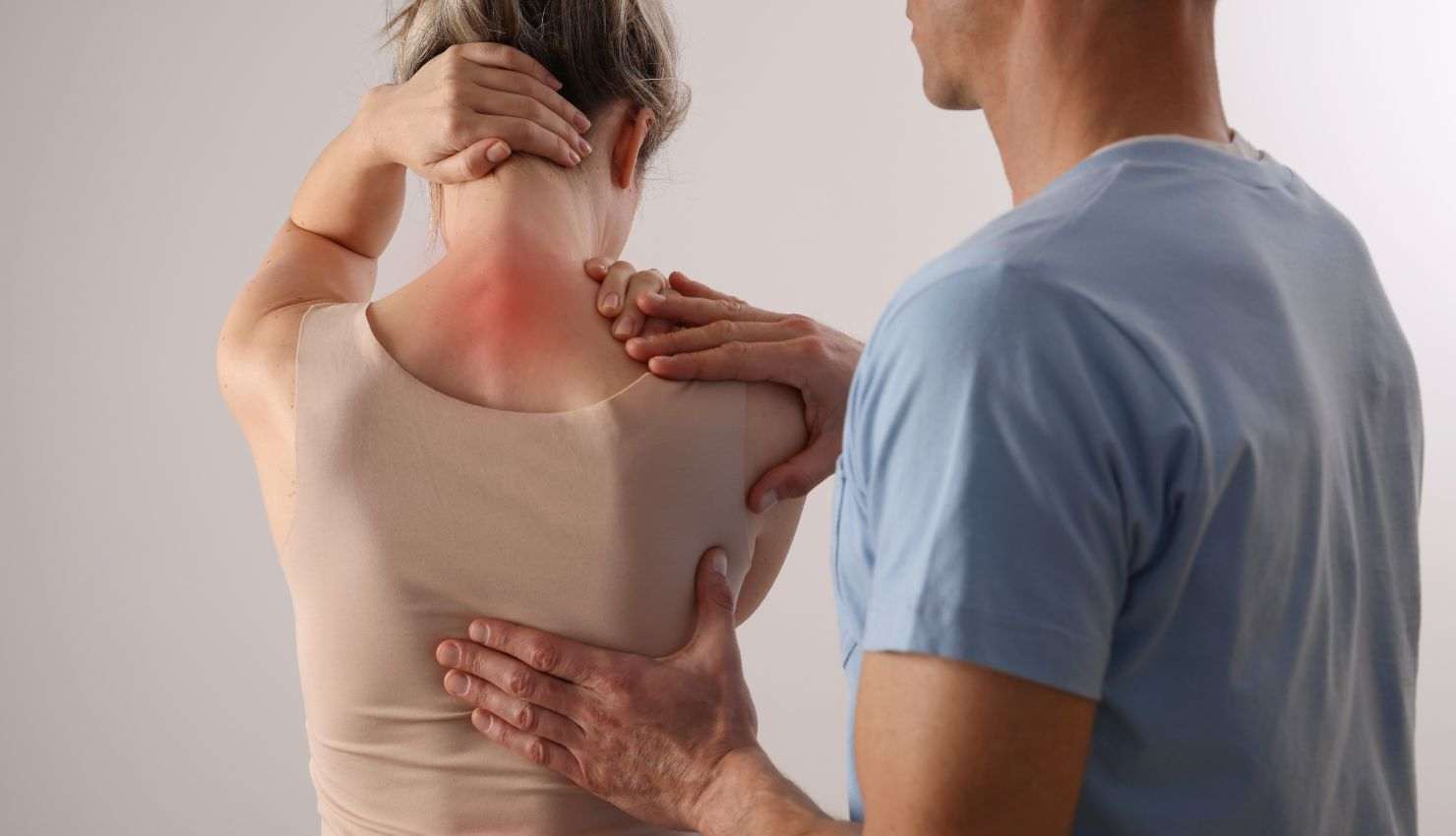
Athletes are constantly seeking ways to improve performance, prevent injury, and gain a competitive edge. While training programs, nutrition, and recovery routines often take center stage, one often-overlooked tool can dramatically impact athletic efficiency: gait analysis.
Gait analysis provides valuable insight into how an athlete moves. By assessing walking and running mechanics in detail, gait analysis uncovers inefficiencies, imbalances, and alignment issues that can limit performance or lead to injury. This data-driven approach enables athletes to fine-tune their movement patterns for optimal results.
What Is Gait Analysis?
Gait analysis is a biomechanical evaluation of how the body moves during walking or running. It typically involves:
High-speed video capture
Pressure-sensitive mats or force plates
Motion sensors or 3D imaging
These tools measure variables such as foot strike, stride length, joint angles, cadence, and ground reaction force. For athletes, this information offers a clear picture of how their current mechanics supportor hinderperformance.
Why Gait Analysis Matters for Athletes
Improves Efficiency and Speed
Even small inefficiencies in stride or foot strike can slow an athlete down or waste valuable energy. Gait analysis identifies these patterns, allowing for adjustments that improve forward propulsion, balance, and stride economy.
Reduces Risk of Injury
Many overuse injuries in athletes stem from biomechanical issues such as overpronation, limb asymmetry, or uneven pressure distribution. By detecting these problems early, gait analysis helps correct the root cause before it leads to stress fractures, tendonitis, or joint strain.
Enhances Recovery and Longevity
Injured athletes can use gait analysis to identify compensatory movements that delay healing or risk re-injury. Optimizing gait promotes safer recovery and extends the lifespan of an athletic career.
Supports Sport-Specific Demands
Different sports stress the body in unique ways. Gait analysis can be tailored to the demands of running, soccer, basketball, or tennis, ensuring that the athletes movement mechanics are optimized for their specific sport.
Key Areas Gait Analysis Can Improve
Foot Strike Pattern: Whether an athlete is a heel striker, midfoot striker, or forefoot striker affects how force is absorbed and transferred.
Stride Length and Frequency: Finding the ideal stride mechanics can maximize speed and reduce fatigue.
Joint Alignment: Correct alignment of the knees, hips, and ankles improves force transfer and stability.
Balance and Symmetry: Ensuring even left-right coordination helps prevent one-sided strain and injury.
Core and Pelvic Stability: A stable core is essential for powerful, controlled movement. Gait analysis reveals any pelvic drop or hip rotation that could compromise performance.
Integration with Custom Orthotics
For athletes dealing with biomechanical issues, custom orthotics designed from gait analysis data can make a major difference. These inserts:
Correct foot positioning
Reduce pressure points
Improve shock absorption
Support optimal alignment during movement
When integrated with athletic footwear, custom orthotics enhance both comfort and performance. They are especially useful for athletes with flat feet, high arches, or a history of lower limb injuries.
The Role of Physiotherapy in Athletic Optimization
Physiotherapists can interpret gait analysis results and use them to guide personalized training and recovery plans. These may include:
Mobility drills to enhance joint range of motion
Strength training for muscle imbalances
Movement re-education to reinforce correct form
Flexibility work to reduce tension and improve stride quality
Together, gait analysis and physiotherapy form a powerful system for building stronger, more efficient athletes.
When Should Athletes Consider Gait Analysis?
Athletes at any level should consider a gait analysis if they:
Are experiencing recurring pain or injury
Feel limited in speed, endurance, or mobility
Are returning from a lower limb injury
Are increasing training intensity or switching sports
Want to prevent injury and extend performance longevity
Even healthy athletes benefit from early detection of minor inefficiencies before they become performance-limiting factors.
Long-Term Athletic Benefits
With regular gait analysis and appropriate intervention, athletes can expect:
Improved energy efficiency
Better shock absorption and reduced strain
Stronger alignment throughout the body
Enhanced control, stability, and coordination
More effective recovery strategies
These factors dont just boost performancethey help athletes stay in the game longer and with fewer setbacks.
Build a Better Athlete from the Ground Up
In sports, success often comes down to the smallest details. Gait analysis reveals those critical details, allowing athletes and their support teams to act with precision. Whether youre chasing a personal best or striving to stay injury-free, understanding your movement mechanics is the key to unlocking your full potential.