How Gait Analysis Helps Improve Walking Performance for Athletes explores targeted strategies for recovery. Discover new paths to mobility, healing, and personalized care.

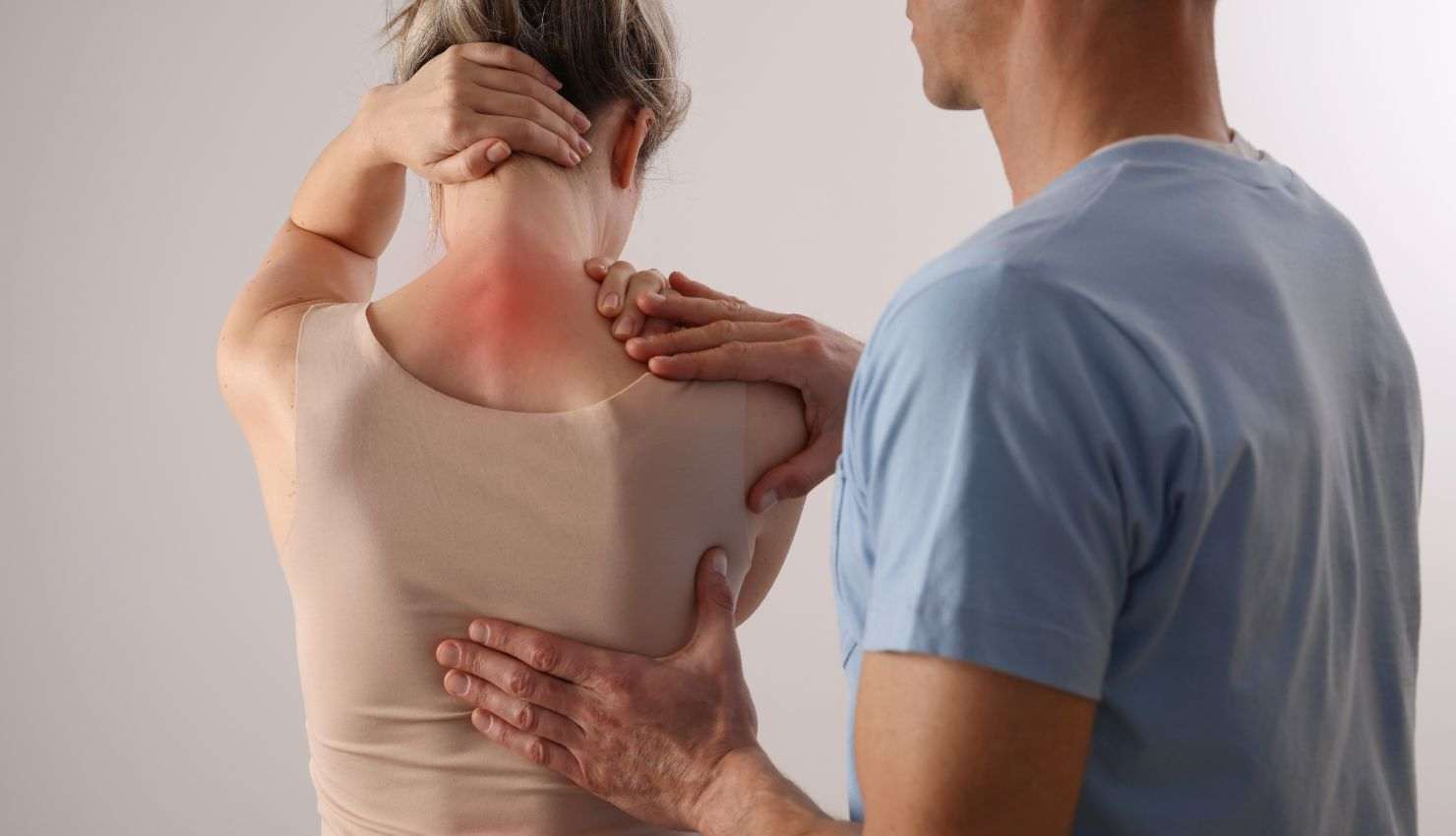
For athletes, optimal walking performance isnt just about movementits about efficiency, injury prevention, and long-term performance. Gait analysis, a biomechanical evaluation of how a person walks or runs, is a powerful diagnostic tool that helps athletes optimize their walking patterns for better results. Whether you’re recovering from an injury or looking to fine-tune your stride for competitive advantage, gait analysis offers in-depth insights that can make a tangible difference.
Understanding Gait Analysis in Sports
Gait analysis uses video technology and pressure-sensitive mats to assess foot movement, ground contact, joint angles, and balance. For athletes, this detailed breakdown of walking mechanics helps identify inefficiencies that can limit speed, endurance, or stability.
Even the slightest abnormalitylike overpronation, uneven stride length, or poor posturecan lead to unnecessary strain on the muscles and joints. Left uncorrected, these issues can evolve into chronic injuries that hinder an athletes career. Gait analysis provides the clarity needed to prevent such problems early.
Optimizing Performance Through Precision
Athletes rely on precision and consistency. Gait analysis reveals subtle movement patterns that affect performance. For example:
Stride Length and Cadence: Many athletes unknowingly take strides that are too long or too short, reducing efficiency. Gait analysis offers data to adjust cadence for smoother, faster movement.
Foot Strike Patterns: Identifying whether the athlete lands on the heel, midfoot, or forefoot helps determine optimal footwear and training adjustments.
Pelvic and Hip Rotation: Gait analysis can reveal poor alignment or restricted mobility in the hips and pelvis, which directly impacts stride and stability.
By addressing these factors, gait training becomes more targeted, leading to improved biomechanics and overall walking efficiency.
Injury Prevention for Long-Term Athletic Health
Repetitive strain and overuse injuries are common among athletes, especially when their walking or running patterns are not aligned correctly. Gait analysis is instrumental in preventing such injuries. It identifies excessive pressure points, misalignments, and muscular imbalances that might lead to shin splints, plantar fasciitis, Achilles tendonitis, and stress fractures.
With this knowledge, athletes can modify their routines, strengthen specific muscle groups, or invest in custom orthotics to correct their mechanics. This proactive approach enhances resilience and minimizes downtime due to injury.
Gait Analysis as a Recovery Tool
When athletes are recovering from injuries, returning to their pre-injury walking pattern can be difficult. Gait analysis offers measurable insight into how the body is compensating. If an athlete favors one leg or alters posture due to pain, gait analysis captures these adjustments.
A physiotherapist can then develop a personalized rehabilitation plan to restore symmetry and natural movement. This ensures the athlete regains function efficiently without reinforcing harmful compensatory patterns.
Role in Selecting Custom Orthotics
Athletes often benefit from custom orthotics, especially if gait analysis identifies uneven weight distribution, flat feet, or arch issues. These orthotics are designed to support healthy foot biomechanics and align the lower limbs during walking.
By combining gait analysis with orthotic therapy, athletes experience better joint stability, less fatigue, and reduced pain during training or competition.
Performance Enhancement Beyond Walking
While gait analysis focuses on walking and running, its benefits extend into other athletic movements. A corrected gait reduces stress on the hips, knees, and lower back. This frees up energy for explosive movements, improves endurance, and increases agility.
Furthermore, gait optimization often translates into better posture, core engagement, and balance, all of which are vital for overall athletic excellence.
Supporting Every Type of Athlete
From amateur runners and weekend tennis players to professional footballers and dancers, gait analysis is valuable for every athlete who wants to move smarter. It is especially important for:
Track and field athletes: To fine-tune form and stride.
Endurance runners: To avoid repetitive injuries.
Dancers and gymnasts: To enhance balance and symmetry.
Team sport athletes: To build agility and reduce joint wear.
Regardless of the sport, efficient gait mechanics are essential for maintaining consistency and preventing burnout.
Building a Strong Foundation
Athletes who integrate gait analysis into their training regimen develop a deeper awareness of how their body moves. This self-awareness is crucial in detecting early signs of fatigue or misalignment. Over time, this empowers athletes to take control of their physical health and make informed decisions to support longevity and peak performance.
Moving Forward with Confidence
Gait analysis offers athletes the insights and tools they need to walk, run, and train better. By understanding and correcting biomechanical inefficiencies, athletes can improve walking performance, reduce injury risk, and support long-term mobility. With the right professional support, including physiotherapy and custom orthotics, gait analysis becomes more than a diagnostic toolit becomes a game-changer in athletic development.