The Role of Gait Analysis in Improving Walking Patterns for Long-Term Health explores targeted strategies for recovery. Discover new paths to mobility, healing, and personalized care.

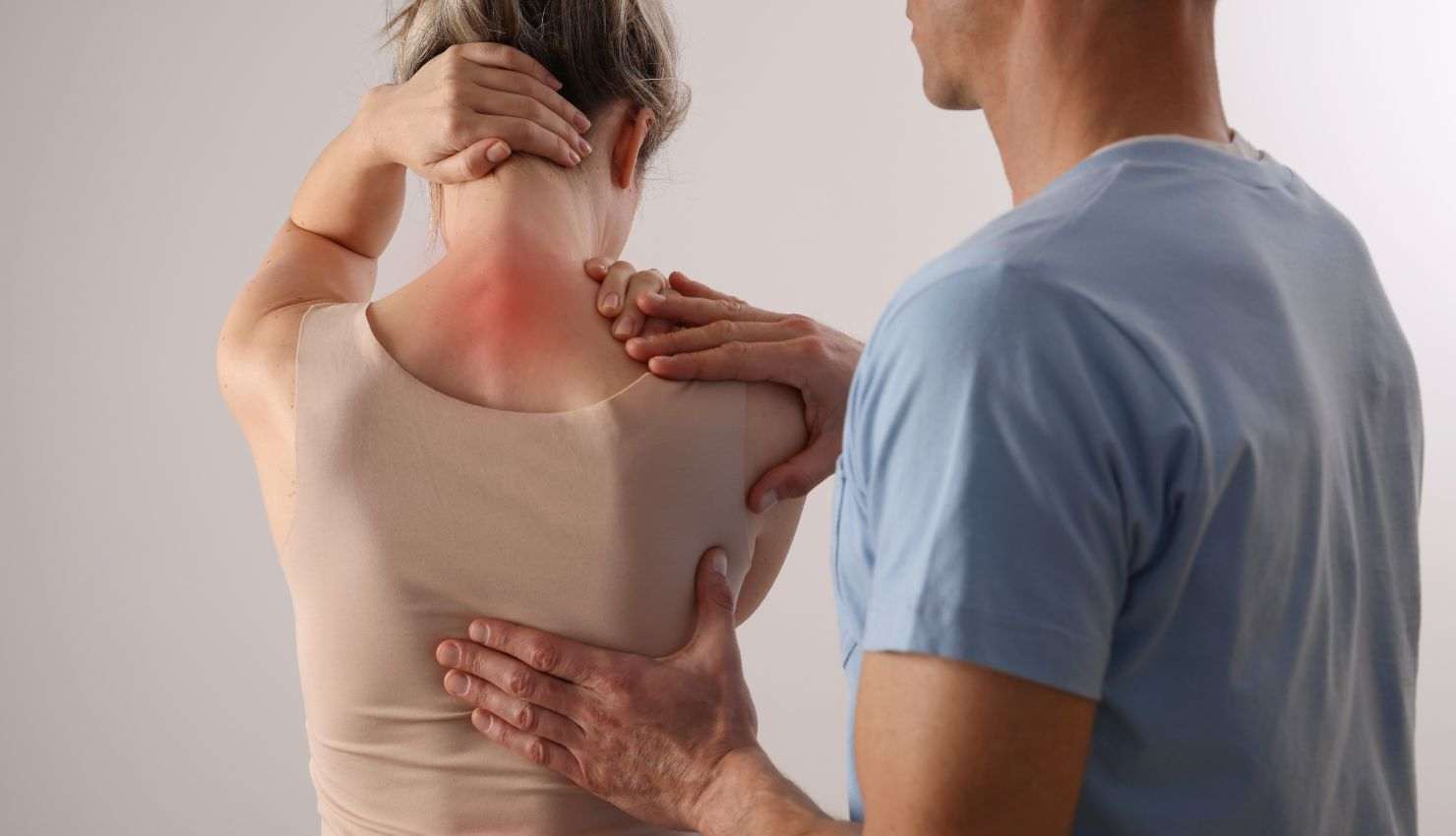
Walking is one of the most natural and essential human movements. But for many people, especially those with subtle muscular imbalances or postural misalignments, walking patterns can become inefficient or even harmful over time. Gait analysis is a powerful tool that helps identify and correct these dysfunctional patterns, supporting long-term health and well-being.
At YourFormSux (YFS), gait analysis is a foundation of our physiotherapy-based care. We use it to help clients move more efficiently, reduce pain, and improve overall mobility, not just for todaybut for a healthier tomorrow.
Why Walking Patterns Matter
Walking may seem automatic, but it’s actually a complex process that involves coordinated muscle engagement, joint movement, and balance. When done correctly, walking supports healthy posture, joint function, and cardiovascular health.
However, poor walking mechanics can lead to:
Chronic pain in the feet, knees, hips, or lower back
Uneven wear on joints
Muscle fatigue or tightness
Increased risk of injury
Accelerated joint degeneration
These issues often build up gradually, which is why early detection and correction through gait analysis is critical.
What Gait Analysis Measures
Gait analysis uses motion tracking, video observation, and pressure-mapping technology to examine:
Stride length and cadence
Step symmetry and timing
Foot contact patterns (heel strike, midfoot, toe-off)
Pressure distribution under each foot
Joint alignment and movement through the gait cycle
Postural control and balance
These insights help physiotherapists identify any abnormalities or inefficiencies and build a targeted intervention plan.
Benefits of Improving Your Walking Pattern
1. Reduces Risk of Chronic Pain
Many cases of chronic lower back, hip, or knee pain can be traced back to a poor walking pattern. Gait analysis helps reveal how movement issues such as overpronation, limb dominance, or uneven stride can place stress on the joints. Correcting these issues reduces pain and prevents future strain.
2. Supports Better Posture
Walking with poor mechanics often leads to forward head posture, rounded shoulders, and pelvic misalignment. Gait retraining improves postural control, encouraging an upright, balanced posture that reduces fatigue and supports musculoskeletal health.
3. Improves Energy Efficiency
When your walking pattern is biomechanically sound, your body uses energy more efficiently. That means less effort and strain on muscles with every step. This is especially important for people with mobility issues, fatigue, or those returning to activity after injury.
4. Enhances Balance and Coordination
Gait analysis can detect balance deficits or timing errors between steps, which may be signs of neurological or musculoskeletal dysfunction. Retraining walking patterns can improve coordination and prevent falls, particularly in older adults.
5. Protects Joints and Prevents Injury
Inefficient gait increases the risk of overuse injuries, such as shin splints, stress fractures, or tendonitis. By improving foot placement, pressure distribution, and joint mechanics, gait training prevents repetitive trauma that leads to long-term damage.
Who Can Benefit from Gait Analysis for Long-Term Health?
Gait analysis isnt just for athletes or those recovering from injury. Its beneficial for:
Seniors who want to maintain mobility and prevent falls
Office workers with sedentary lifestyles and postural strain
Individuals with a history of foot, knee, or back pain
People with flat feet, high arches, or leg length differences
Anyone looking to optimize daily movement for longevity
Even without active pain, poor walking patterns can quietly impact long-term health. Identifying and addressing these issues early can prevent more serious problems down the line.
How YFS Uses Gait Analysis
At YourFormSux, we incorporate gait analysis into our comprehensive physiotherapy programs. Our approach includes:
Initial gait evaluation: Using pressure-mapping and video to analyze walking mechanics
Personalized exercise plan: Strengthening weak muscles, improving flexibility, and correcting imbalances
Movement education: Teaching proper walking techniques and body awareness
Custom orthotics (if needed): Providing structural support for better foot function
Ongoing reassessment: Monitoring improvements and adjusting care as needed
We focus not just on what the gait looks like, but on how it affects your entire kinetic chainfeet, ankles, knees, hips, and spine.
Investing in Your Future Health
Gait analysis is more than a diagnosticits a proactive investment in long-term health. By walking better, you:
Reduce joint stress
Preserve muscle strength
Enhance circulation and metabolism
Lower your risk of injury
Maintain independence and mobility as you age
Whether you’re experiencing symptoms or want to optimize your movement for prevention, gait analysis is a practical, accessible tool for lifelong wellness.
Walk Into Wellness
Your walking pattern is a reflection of how your entire body moves. Improving it now can protect your health for years to come. At YFS, our personalized gait assessments and physiotherapy support give you the tools to walk with better posture, stability, and confidence.
Because when your steps are strong, your foundation is tooand your long-term health follows.