How Gait Analysis Helps Detect Postural Imbalances and Correct Walking Patterns explores targeted strategies for recovery. Discover new paths to mobility, healing, and personalized care.

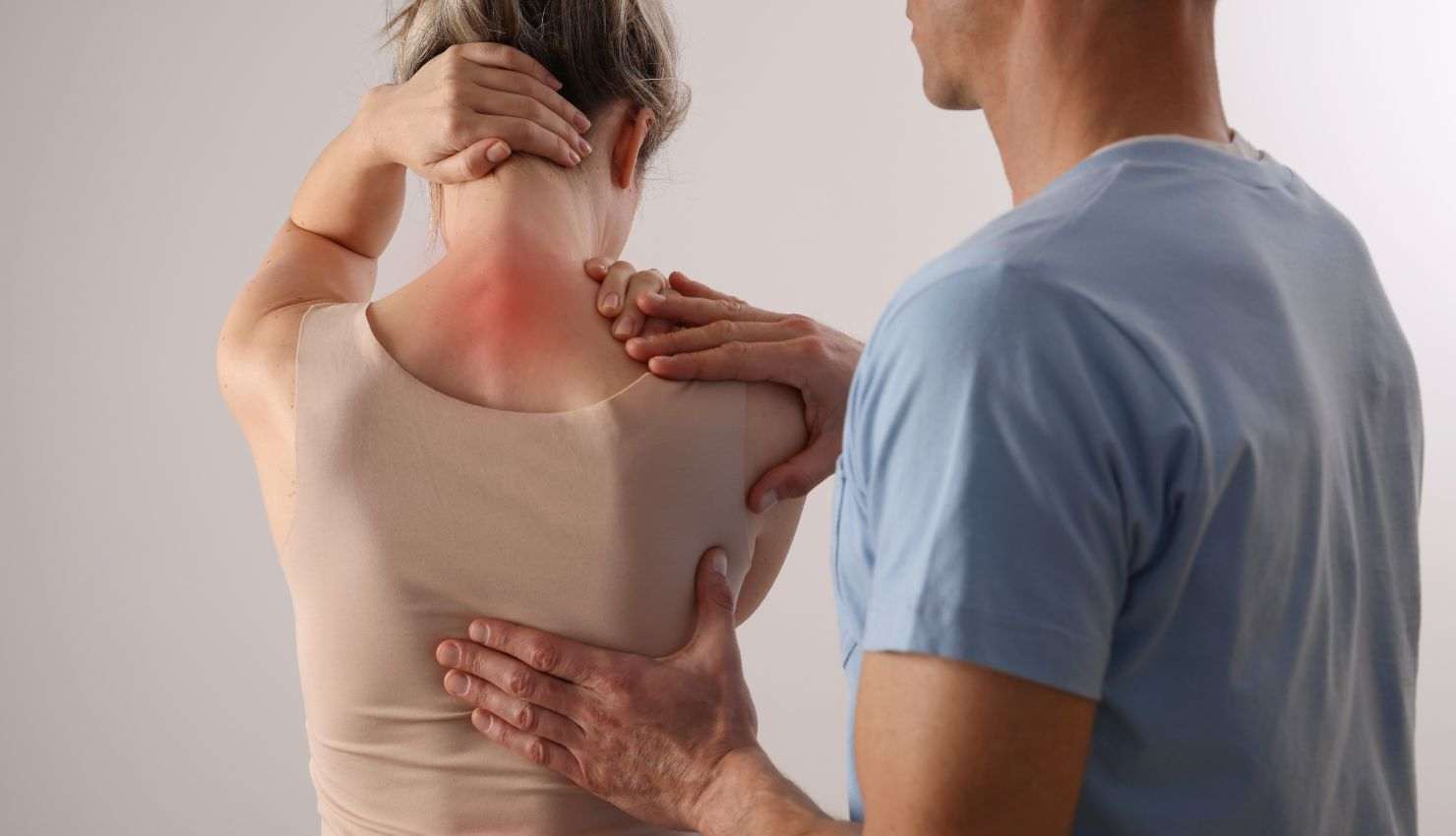
Posture and walking patterns are deeply connected. When your posture is misalignedeven slightlyit affects how you walk, stand, and move through daily life. These small imbalances often go unnoticed until they result in chronic pain, joint stress, or reduced mobility. Gait analysis offers a precise and personalized method to detect these imbalances early and correct your movement patterns before they lead to more serious issues.
At YourFormSux (YFS), we use gait analysis not only to assess how you walk but to uncover hidden postural problems that may be undermining your health and wellness.
Understanding Postural Imbalances
Postural imbalances occur when the body’s alignment shifts out of its natural, neutral state. This can be due to:
Habitual poor posture (e.g., slouching or leaning to one side)
Previous injuries that altered movement
Muscle imbalances (tightness or weakness)
Leg length discrepancies
Improper footwear
Lack of physical activity or asymmetrical movements
These imbalances can lead to asymmetrical walking patterns, where one side of the body compensates for the other. Over time, this compensation causes excessive strain on the joints, tendons, and musclesleading to discomfort, inefficiency, and potential injury.
What Gait Analysis Reveals
Gait analysis provides a comprehensive view of how your body moves when walking. Using motion-capture systems, pressure mats, and video technology, we can measure:
Step and stride length
Ground contact timing and symmetry
Weight distribution across the feet
Joint angles through each phase of movement
Pelvic and spinal alignment during motion
This data helps pinpoint where postural imbalances are affecting your walking mechanics. For example, an anterior pelvic tilt may cause shortened steps, or a leg length discrepancy may result in uneven pressure on one side of the body.
How Gait Analysis Corrects Walking Patterns
1. Identifying the Root Cause
Rather than treating just the symptomlike knee pain or foot fatiguegait analysis identifies why the issue exists. Is it due to overpronation, hip imbalance, or pelvic rotation? Once the root cause is clear, the treatment becomes more effective and targeted.
2. Rebalancing Weight Distribution
If one side of the body bears more weight, gait analysis helps correct that imbalance. Retraining walking mechanics allows pressure to be spread more evenly, reducing strain on specific joints and preventing long-term damage.
3. Optimizing Joint Alignment
Postural misalignmentssuch as collapsed arches or uneven hipschange how joints move during walking. Gait correction improves how the knees, ankles, hips, and spine interact, reducing wear and tear and improving mobility.
4. Enhancing Muscle Activation
Poor posture often results in underactive or overactive muscle groups. Gait analysis allows therapists to identify these imbalances and implement a corrective exercise plan that strengthens weak areas while relaxing overused ones.
5. Custom Orthotics and Movement Correction
If your gait pattern is heavily affected by foot structure (e.g., flat feet or high arches), custom orthotics can provide the necessary support. Orthotics, informed by gait data, realign the foot and ankle to promote better posture and more efficient walking.
Why Postural Correction Matters
Improving posture and walking mechanics has wide-reaching benefits:
Reduces chronic pain in the back, hips, knees, and feet
Prevents future injuries by reducing strain on joints
Enhances energy efficiency, reducing fatigue during walking or standing
Improves balance and coordination, particularly in older adults
Supports better performance in physical activities or sports
Boosts confidence and movement awareness
Even small improvements in alignment can have a dramatic impact on your long-term physical health.
Who Should Consider Gait Analysis for Posture?
Gait analysis is valuable for:
People with persistent lower back, hip, or leg pain
Individuals recovering from injury or surgery
Athletes seeking better performance or recovery
Seniors concerned about balance or fall risk
Desk workers with postural strain or muscle tightness
Anyone with noticeable asymmetry in movement or posture
Its never too earlyor too lateto assess and improve how you move.
The YFS Approach: From Insight to Action
At YourFormSux, we dont stop at analyzing your gaitwe help you transform it. Our process includes:
In-depth posture and gait evaluation using advanced technology
A personalized physiotherapy plan that includes stretching, strengthening, and gait retraining
Custom orthotics when needed to correct structural imbalances
Ongoing progress tracking to monitor improvement and adjust treatment
We believe that movement should be natural, pain-free, and sustainable. Thats why our focus is not only on how you movebut how well you move.
Walk with Balance, Move with Purpose
Gait analysis is a powerful way to detect postural imbalances and walk your way to better health. With the right guidance and support, you can correct faulty patterns, reduce discomfort, and move with greater confidence and control.
At YFS, we help you align your posture, optimize your walking, and reclaim the foundation of healthy, pain-free movementstarting with your next step.