The Benefits of Gait Analysis for Identifying and Correcting Walking Dysfunction explores targeted strategies for recovery. Discover new paths to mobility, healing, and personalized care.

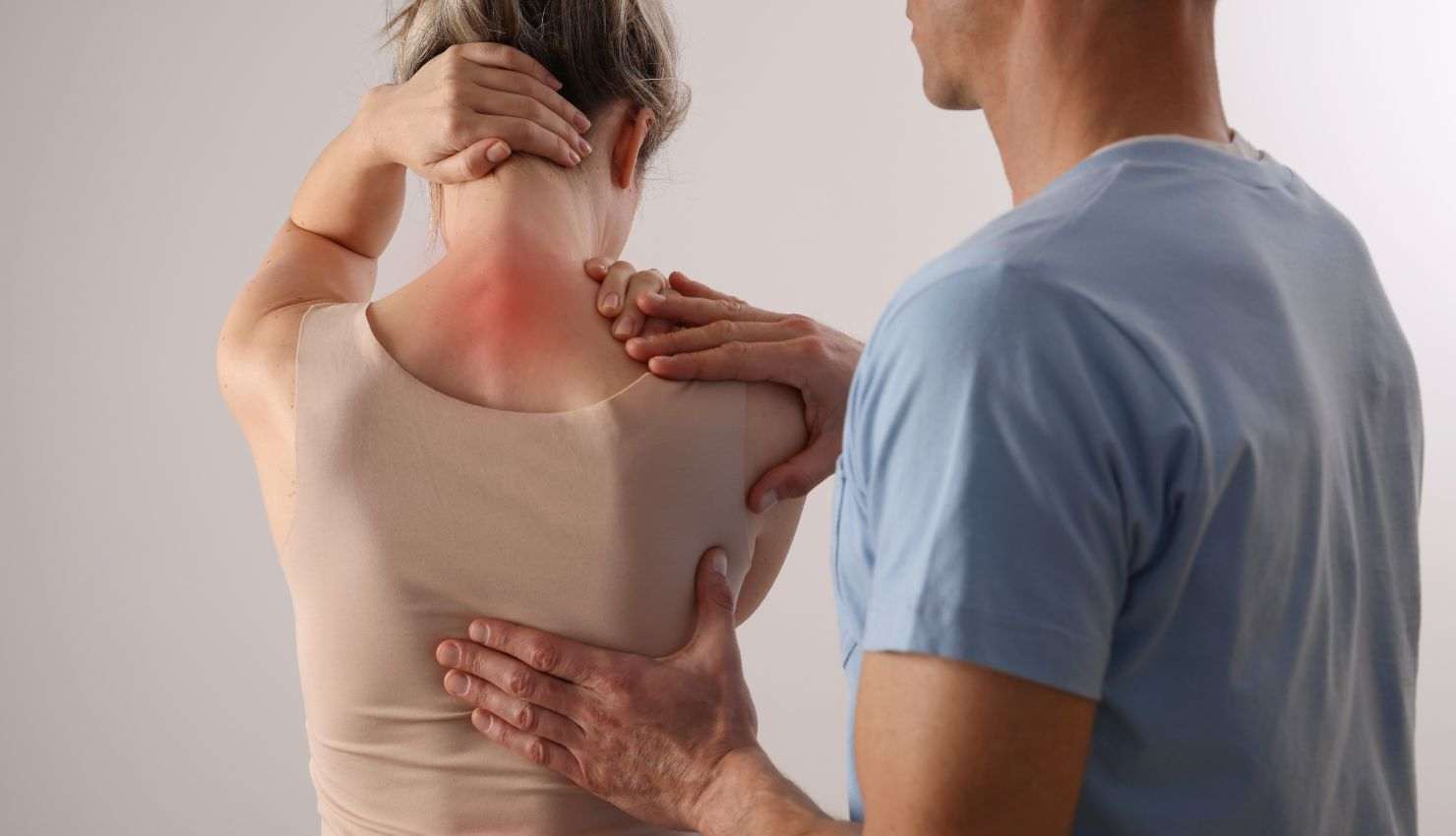
Walking dysfunction is more common than many people realize. Whether caused by injury, muscle imbalances, aging, or lifestyle factors, irregular walking patterns can lead to discomfort, fatigue, or chronic pain over time. Gait analysis is a valuable diagnostic tool that helps identify the root causes of walking dysfunction and offers a foundation for restoring proper movement. With targeted insight and intervention, individuals can regain comfort, improve mobility, and prevent future injuries.
What Is Walking Dysfunction?
Walking dysfunction refers to irregularities in your gaitthe way you walk. These irregularities can stem from structural or functional issues, such as:
Overpronation or underpronation
Uneven stride length
Limping or dragging feet
Asymmetrical hip movement
Excessive pelvic tilt or sway
Misalignment of knees, ankles, or hips
Even minor gait deviations can place uneven stress on joints, muscles, and ligaments, leading to cumulative strain. Over time, walking dysfunction may manifest as foot pain, knee issues, hip tightness, or lower back discomfort.
What Causes Walking Dysfunction?
Walking dysfunction can develop gradually due to multiple factors, including:
Injury recovery: Post-surgical or post-injury compensations can alter walking mechanics.
Muscle weakness or imbalance: Uneven muscle strength in the legs, core, or hips affects walking form.
Neurological conditions: Stroke, Parkinsons disease, and multiple sclerosis can impair motor control.
Joint stiffness: Conditions like arthritis restrict range of motion and impact stride.
Poor posture or alignment: Long-term postural issues change movement habits.
Left unaddressed, these issues can limit mobility and contribute to long-term physical problems.
How Gait Analysis Identifies Walking Dysfunction
Gait analysis is a detailed assessment performed by a physiotherapist to evaluate how you walk. Using motion tracking tools, pressure mapping, and observational techniques, the specialist examines:
Step length and cadence
Foot strike pattern
Hip, knee, and ankle motion
Symmetry between the left and right side
Ground contact timing and pressure
This data reveals abnormal mechanics, inefficient movement patterns, and compensations that are invisible to the naked eye. For example, a person may unconsciously shift weight to one leg due to an old ankle injurygait analysis detects this shift and allows for targeted correction.
The Power of Early Detection
Many individuals live with walking dysfunction for years before seeking help. Early gait analysis can prevent long-term complications by catching subtle problems before they develop into chronic pain or mobility limitations.
Addressing walking dysfunction early through corrective intervention can:
Reduce the risk of joint degeneration
Prevent recurring foot, knee, or hip pain
Improve stability and balance
Support long-term musculoskeletal health
Gait analysis is especially valuable for athletes, seniors, and individuals recovering from injurypopulations most at risk for movement-related strain.
Correcting Dysfunction Through Targeted Intervention
Once a walking dysfunction is identified, your physiotherapist can design a personalized treatment plan to restore proper function. This may include:
1. Custom Orthotics
Orthotics address issues such as overpronation, arch collapse, or heel misalignment. They provide the foundation for balanced, pain-free movement and are often custom-molded based on your gait analysis results.
2. Muscle Strengthening
Targeted exercises build strength in weak muscle groups that affect gait, such as glutes, hamstrings, calves, or core muscles. This helps stabilize joints and reduce compensatory movement.
3. Stretching and Mobility Work
Tight muscles limit motion and contribute to dysfunction. Stretching the hips, hamstrings, calves, and plantar fascia helps restore range of motion and balance.
4. Neuromuscular Re-education
Retraining the nervous system to adopt healthy movement patterns improves coordination and stride control, especially after injury or neurological events.
5. Postural Training
Correcting head, shoulder, and pelvic alignment reduces strain during walking and promotes a healthier gait cycle.
Long-Term Benefits of Corrected Gait
Correcting walking dysfunction isnt just about immediate reliefit contributes to sustainable wellness. Benefits include:
Reduced pain and stiffness in joints and soft tissues
Improved mobility and independence, especially in older adults
Decreased risk of falls and balance-related injuries
Enhanced performance for athletes and active individuals
Better posture, leading to improved spinal alignment and breathing
Walking is a daily function. Optimizing the way we walk has lasting implications for health, comfort, and quality of life.
When to Consider Gait Analysis
If you notice any of the following signs, it may be time to consult a physiotherapist for gait analysis:
Pain during or after walking
Frequent tripping or imbalance
Uneven wear on shoes
Foot, knee, or hip pain without an obvious cause
Stiffness after walking long distances
Limping or altered stride
At YFS, we offer comprehensive gait assessments designed to uncover hidden issues and develop personalized correction plans.
A Smarter Step Toward Lasting Wellness
Walking dysfunction affects more than your feetit influences your entire body. Gait analysis provides the insight needed to identify the problem at its source and begin the path to recovery. Whether youre an athlete, recovering from an injury, or simply seeking a pain-free lifestyle, correcting your gait is a proactive and powerful step.
Healthy walking leads to a healthier life. With expert analysis and support from YFS, you can restore movement, prevent future issues, and enjoy every step forward.