How Gait Analysis Helps Correct Uneven Walking and Prevent Future Issues explores targeted strategies for recovery. Discover new paths to mobility, healing, and personalized care.

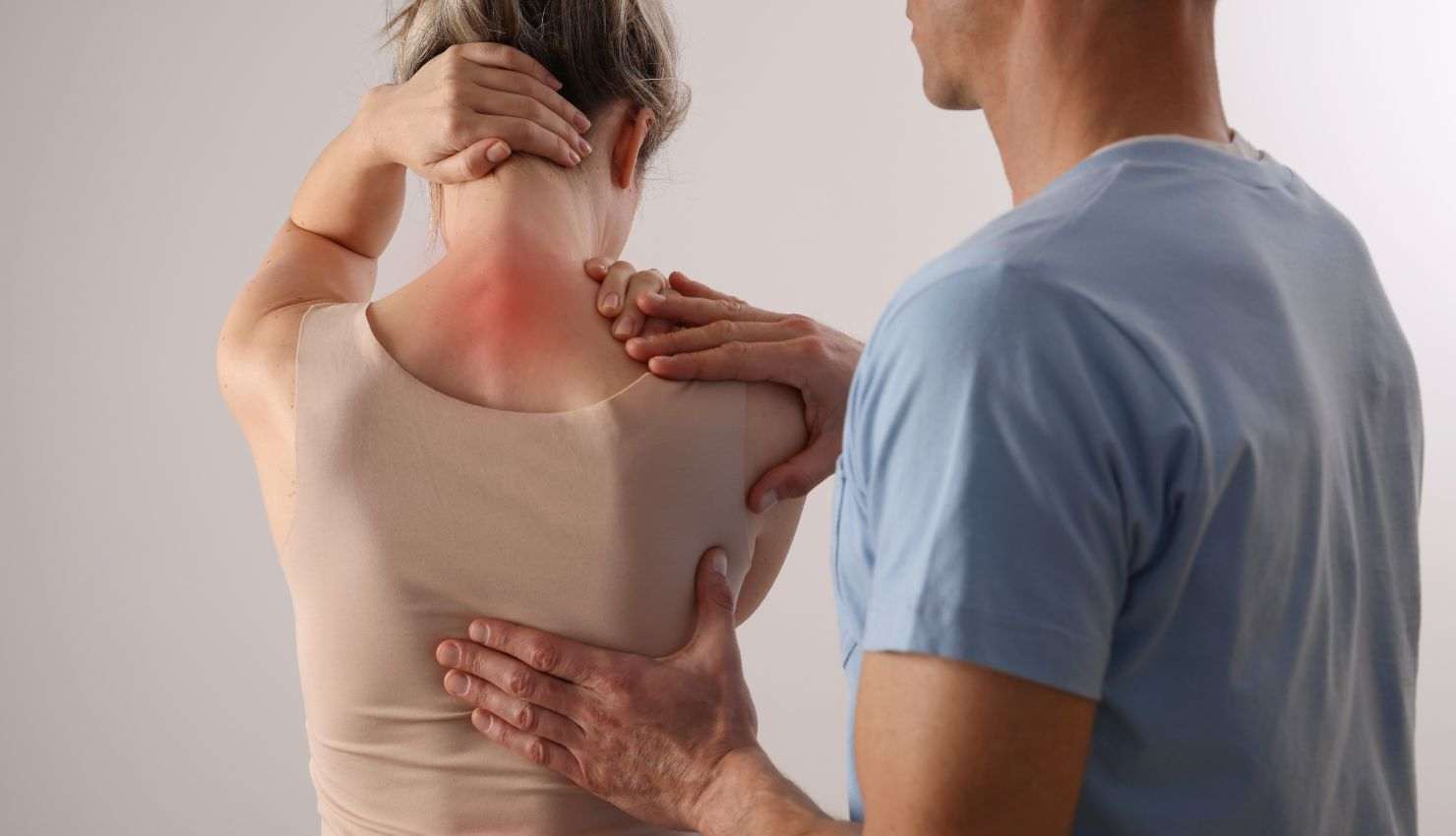
Many people walk with uneven patterns without even knowing it. These subtle gait abnormalities may seem harmless at first but often lead to long-term strain, fatigue, and injury. Whether caused by injury, muscle imbalances, leg length differences, or postural issues, uneven walking can disrupt your bodys natural rhythm and alignment. Gait analysis offers a detailed view into these walking patterns, helping physiotherapists diagnose the root cause and implement personalized strategies to restore symmetry and prevent future complications.
What Does Uneven Walking Look Like?
Uneven walking, also known as gait asymmetry, can manifest in different ways:
A limp or favoring one leg
Unequal step lengths or timing
One foot rolling inward or outward more than the other
A tilted pelvis or uneven shoulder height while walking
Visible imbalance or shifting during each stride
While it may not cause immediate discomfort, over time, this asymmetry increases the risk of pain in the feet, knees, hips, or lower back.
Common Causes of Uneven Walking
Uneven gait patterns can stem from a variety of physical conditions and life events, including:
Past injuries: Ankle sprains, fractures, or knee surgeries can result in compensation and imbalance.
Leg length discrepancy: Even a slight difference in leg length can affect stride and foot placement.
Muscle imbalances: Uneven strength in the glutes, quads, or calves can shift movement toward one side.
Joint stiffness: Restricted mobility in the ankle, knee, or hip on one side can lead to irregular gait.
Neurological conditions: Conditions such as stroke or multiple sclerosis may cause altered muscle control.
Poor posture or spinal alignment: Misalignment in the spine or pelvis affects weight distribution and movement symmetry.
Without intervention, these underlying causes can lead to chronic pain and degenerative joint issues.
How Gait Analysis Identifies Uneven Patterns
Gait analysis is a powerful diagnostic tool that reveals how your body moves during walking or running. It combines visual observation, pressure mapping, and motion tracking to provide detailed data about:
Step and stride length
Foot strike pattern
Time spent on each foot
Joint motion and limb movement
Load distribution between the left and right sides
This comprehensive analysis helps identify exactly where and how asymmetry occurs, even if its not visible to the naked eye. A physiotherapist can then use this data to understand whether the root issue is biomechanical, muscular, neurological, or postural.
The Importance of Early Correction
Correcting uneven walking is not just about aestheticsits about preserving your bodys function and preventing further issues. When one side of the body takes on more load, it leads to:
Joint wear and tear on the dominant side
Overuse injuries in the lower back, knees, and hips
Foot and ankle pain from poor shock absorption
Imbalanced muscle development and fatigue
Early correction through gait analysis prevents these patterns from becoming ingrained habits that are harder to reverse.
Personalized Solutions for Gait Symmetry
Once gait analysis reveals the source of asymmetry, your physiotherapist can develop a customized treatment plan to correct your movement. Common solutions include:
1. Custom Orthotics
Orthotics balance pressure between the feet, correct pronation issues, and stabilize uneven arches. In cases of leg length discrepancy, heel lifts may also be incorporated into custom inserts.
2. Strengthening Exercises
Muscle imbalances are often a root cause of uneven gait. Targeted strengthening of weaker muscle groups restores symmetry in the hips, glutes, quads, and core.
3. Mobility and Flexibility Training
Tightness in one leg or hip can restrict motion and cause gait asymmetry. A physiotherapist will guide you through stretches and mobility drills to restore full joint range.
4. Neuromuscular Re-education
Retraining your nervous system to use both legs equally is essential after injury or stroke. Balance exercises, posture correction, and walking drills support coordinated, symmetric movement.
5. Footwear Adjustments
Gait analysis may reveal the need for different shoe types or custom support based on how each foot interacts with the ground.
Long-Term Benefits of Balanced Walking
Correcting your gait symmetry leads to better health outcomes and overall well-being, including:
Improved balance and reduced fall risk
Lower stress on joints and muscles
Reduced back, hip, and knee pain
Enhanced mobility and endurance
Increased confidence in daily movement
Balanced walking also supports better posture, energy efficiency, and movement coordination, especially for active individuals and older adults.
When to Get a Gait Assessment
You may benefit from a gait analysis if you:
Have a history of leg or foot injury
Notice differences in how your feet land
Experience hip, knee, or back pain on one side
Frequently trip or feel off balance
See uneven wear on your shoes
Are recovering from surgery or stroke
Gait analysis helps detect these signs early, before they lead to chronic issues.
Walk Smarter. Move Better.
At YFS, we help you understand your movement and take control of your long-term health. Gait analysis gives you a clear picture of your walking mechanics and reveals hidden issues that contribute to pain or poor function. With expert guidance and custom solutions, we help you correct imbalances, build strength, and prevent future injuries.
Balanced walking leads to better livingand every step counts.