How Gait Analysis Helps Improve Foot Function and Walking Performance explores targeted strategies for recovery. Discover new paths to mobility, healing, and personalized care.

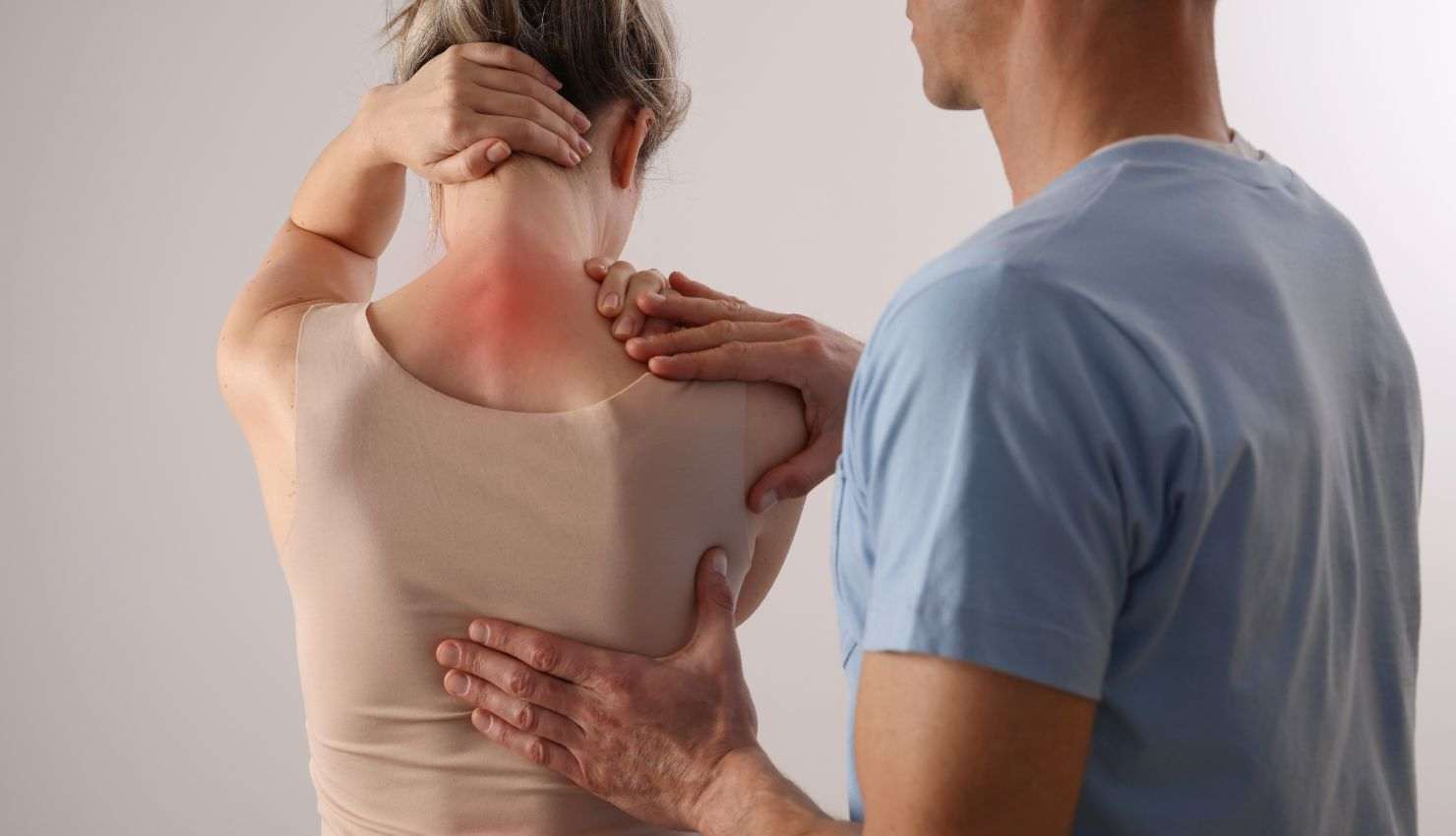
Gait analysis plays a crucial role in understanding how we walk and how our feet, legs, and body work together during movement. By assessing an individual’s walking patterns, gait analysis can provide valuable insights into imbalances, inefficiencies, and potential issues that may lead to pain, discomfort, or injury. For individuals looking to improve foot function and walking performance, gait analysis is a powerful tool.
What is Gait Analysis?
Gait analysis is the systematic study of human walking patterns, using specialized equipment to measure various aspects of movement. This typically involves monitoring how your feet make contact with the ground, the alignment of your legs, your posture, and the forces generated during each step. Advanced technology such as pressure sensors, video recordings, and motion-capture systems can provide detailed data on your gait cycle, which can then be analyzed by a healthcare professional.
Benefits of Gait Analysis
Improved Foot Function
The primary goal of gait analysis is to assess the functionality of your feet during movement. It identifies the way your feet interact with the ground and whether there are any abnormalities or inefficiencies that could lead to pain or dysfunction. For example, if you have flat feet or high arches, your walking pattern may be altered, causing strain on other parts of the body like your knees, hips, or lower back.
By analyzing your gait, specialists can recommend corrective measures, such as custom orthotics, exercises, or changes in footwear, to improve foot function and ensure a more natural walking pattern. Better foot function can prevent long-term issues like joint degeneration, arthritis, and chronic pain.
Enhanced Walking Performance
Gait analysis can help improve walking performance by identifying areas where your movement may be inefficient or overly strenuous. Whether you’re walking for fitness, rehabilitation, or daily activities, a smooth and efficient gait is essential for reducing fatigue and enhancing overall performance. Gait analysis highlights any abnormal movements, such as over-striding, excessive heel striking, or uneven weight distribution, all of which can reduce walking efficiency.
By making adjustments based on the findings from gait analysis, you can optimize your walking form to reduce wasted energy, increase stride length, and improve walking speed. For athletes or individuals recovering from surgery or injury, these improvements can significantly impact their ability to walk more effectively and with less effort.
Injury Prevention and Rehabilitation
One of the key benefits of gait analysis is its role in preventing injuries and supporting rehabilitation. Many common injuries, such as shin splints, tendinitis, and stress fractures, are often caused by improper gait mechanics. Gait analysis can pinpoint these issues early on, allowing for targeted interventions that prevent the development of more serious injuries.
For individuals recovering from an injury, gait analysis can be used to track progress and assess whether the body is returning to its normal walking pattern. By ensuring that youre walking correctly, you can reduce the risk of re-injury and improve the efficiency of your rehabilitation process.
Posture and Alignment Correction
Your walking pattern doesnt just affect your feet; it also influences your posture and alignment throughout the rest of your body. For example, improper foot mechanics can lead to knee, hip, or lower back pain, as the misalignment of your feet can cause compensations up the kinetic chain. Gait analysis helps identify how your feet and legs contribute to your overall posture and alignment.
By correcting gait inefficiencies, gait analysis helps you stand and walk with better posture. This can reduce the risk of developing musculoskeletal pain and discomfort in the back, hips, or shoulders. Proper alignment ensures that your body moves in a way that maximizes comfort and minimizes strain.
Improved Mobility and Balance
Gait analysis also plays a significant role in improving balance and mobility. Whether youre elderly, have a neurological condition, or suffer from chronic pain, gait analysis can provide insights into how to move more confidently and securely. By identifying weak spots in your walking pattern, specialists can recommend exercises or therapies that target these areas, helping to improve your overall stability and coordination.
For older adults, gait analysis can help identify early signs of balance issues or gait abnormalities that may lead to falls. Preventing falls is crucial for maintaining mobility and independence as we age, and gait analysis is a key preventive tool in reducing the risk.
How Gait Analysis Works
Gait analysis is typically performed in a clinical or rehabilitation setting by a trained professional, such as a physical therapist, podiatrist, or orthopedist. The process generally involves the following steps:
Initial Assessment
A healthcare professional will begin by observing your walking pattern and asking about any pain or discomfort you experience. This may include questions about your daily activities, medical history, and any previous injuries.
Measurement and Recording
Next, the clinician will use various tools, such as pressure-sensitive mats or motion capture systems, to record data about your gait. This may involve walking on a treadmill or along a straight path while sensors capture data on pressure points, stride length, and joint movements.
Analysis and Interpretation
The recorded data is then analyzed to identify any irregularities or patterns that may cause discomfort or pain. For example, if you exhibit excessive inward rolling of the feet (over-pronation) or outward rolling (supination), the analysis can determine how this is affecting your gait and overall alignment.
Treatment Recommendations
Based on the results of the gait analysis, your healthcare provider may suggest specific treatments or interventions. This could include custom orthotics to correct foot alignment, specific exercises to improve strength and flexibility, or footwear recommendations to enhance walking efficiency.
Follow-Up Assessments
In some cases, additional follow-up assessments may be conducted to track progress and ensure that the recommended treatments are effective. Regular check-ups allow healthcare providers to make adjustments to your treatment plan if necessary.
Conclusion
Gait analysis is an essential tool for anyone looking to improve their foot function, walking performance, and overall mobility. It provides valuable insights into how your body moves and helps identify areas that may contribute to pain, injury, or inefficiency. Whether you’re recovering from an injury, managing a chronic condition, or simply looking to improve your walking form, gait analysis can provide the data you need to make informed decisions about your foot health and movement patterns.
By working with a specialist and taking the right steps based on the results of a gait analysis, you can enhance your walking efficiency, prevent injuries, and improve your overall quality of life.