How Functional Health Checkups Can Help Improve Your Walking and Running Form explores targeted strategies for recovery. Discover new paths to mobility, healing, and personalized care.

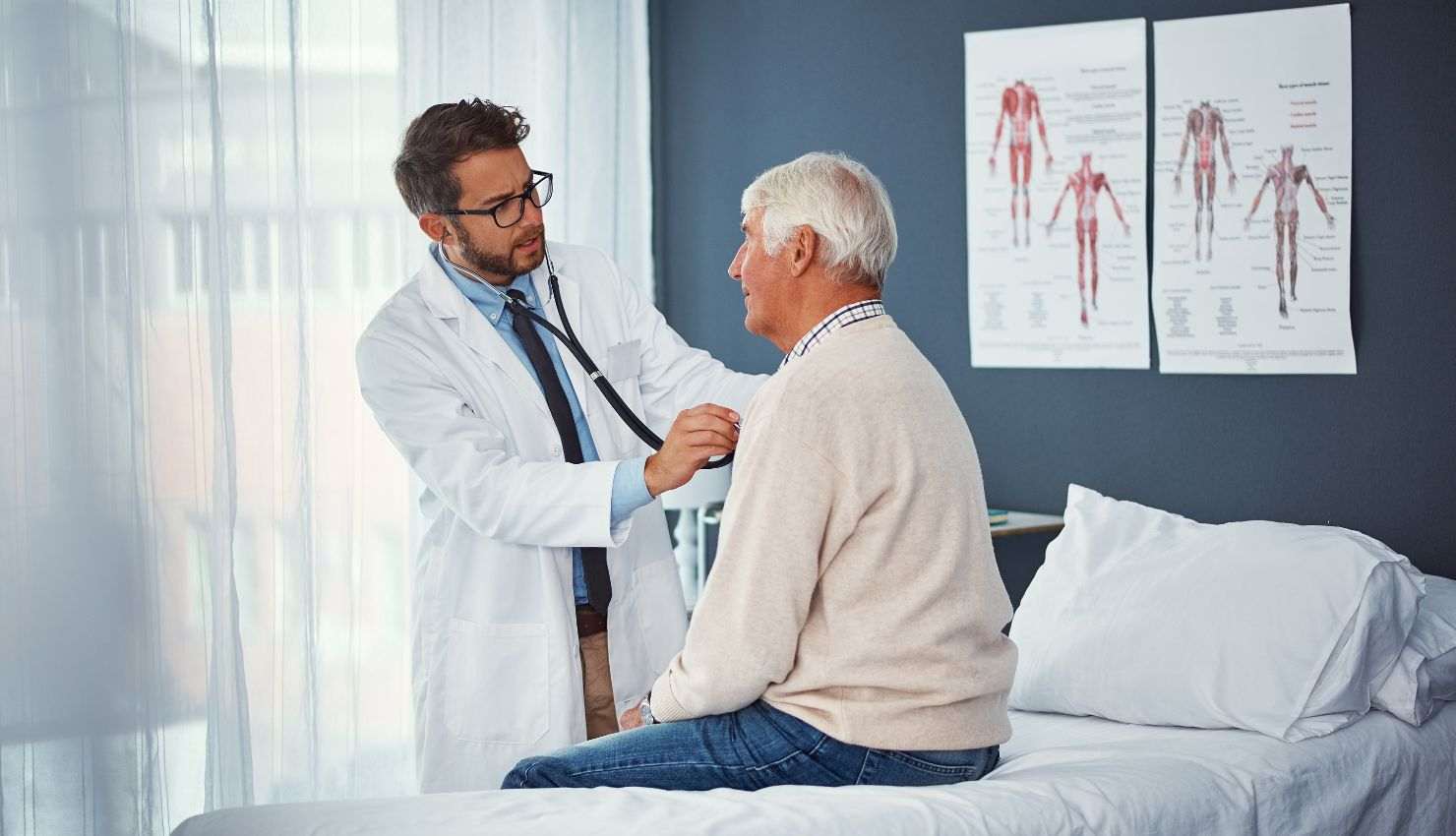
We often hear about annual physicals or dental checkupsbut have you ever considered a functional health checkup? These specialized assessments go deeper than general health screenings. They take a close look at how your body moves, not just how it functions internally. Think of it as a behind-the-scenes analysis of your bodys mechanicsespecially important if you walk or run regularly.
What Is a Functional Health Checkup?
A functional health checkup is an in-depth evaluation of your bodys movement patterns, posture, muscle balance, joint flexibility, and overall biomechanics. Its typically done by physical therapists, sports medicine specialists, or chiropractors with a focus on movement science.
Instead of just asking, Are you healthy? it asks, How well is your body functioning in motion?
Why It Matters for Walking and Running
Walking and running are natural movementsbut that doesnt always mean were doing them correctly. Small misalignments or weaknesses in your stride can build up over time, leading to discomfort, inefficiency, or even injury. Heres how a functional checkup helps:
?? 1. Identifies Imbalances
You might have one hip thats tighter than the other, or maybe your left foot rolls inward more than your right. These subtle asymmetries can throw off your form, and a functional assessment can pinpoint exactly where they are.
?? 2. Improves Gait Mechanics
A proper gait is key for efficient walking and running. With a health checkup that includes gait analysis, youll get real-time feedback on how your feet strike the ground, how your knees track, and how your arms swingall contributing to a more effective stride.
?? 3. Boosts Strength Where You Need It
Many of us overcompensate for weaker areas without realizing it. A functional checkup can identify weak glutes, tight hamstrings, or underactive core muscles and offer tailored exercises to fix themleading to better posture and form during movement.
?? 4. Enhances Body Awareness
Its not just about musclesits about how you use them. A checkup often includes neuromuscular feedback and movement training, helping you become more in tune with your bodys signals. Youll be more conscious of your posture, stride, and even breathing.
?? 5. Prevents Injuries Before They Happen
Most running and walking injurieslike shin splints, plantar fasciitis, or runners kneedont happen overnight. They build up slowly due to poor form or overuse. Functional checkups catch the warning signs early and help you adjust before pain sets in.
What to Expect During a Functional Checkup
Posture and alignment screening
Range of motion tests
Gait and balance analysis
Strength and flexibility evaluations
Personalized feedback and recommendations
You may also get a video analysis of your walking or running to really see where things are going rightor wrong.
Final Thoughts: Walk Smart, Run Strong
Your body is your most valuable piece of equipment. And just like youd tune up a car or sharpen a tool, giving your body a functional health checkup keeps it operating at its best.
Whether you’re training for a 5K or just trying to get your steps in, a functional health assessment is a smart way to improve your form, prevent injuries, and make every stride stronger and smoother. Because walking and running should feel goodand with the right tweaks, they absolutely can.