How Functional Health Checkups Improve Coordination and Prevent Falls explores targeted strategies for recovery. Discover new paths to mobility, healing, and personalized care.

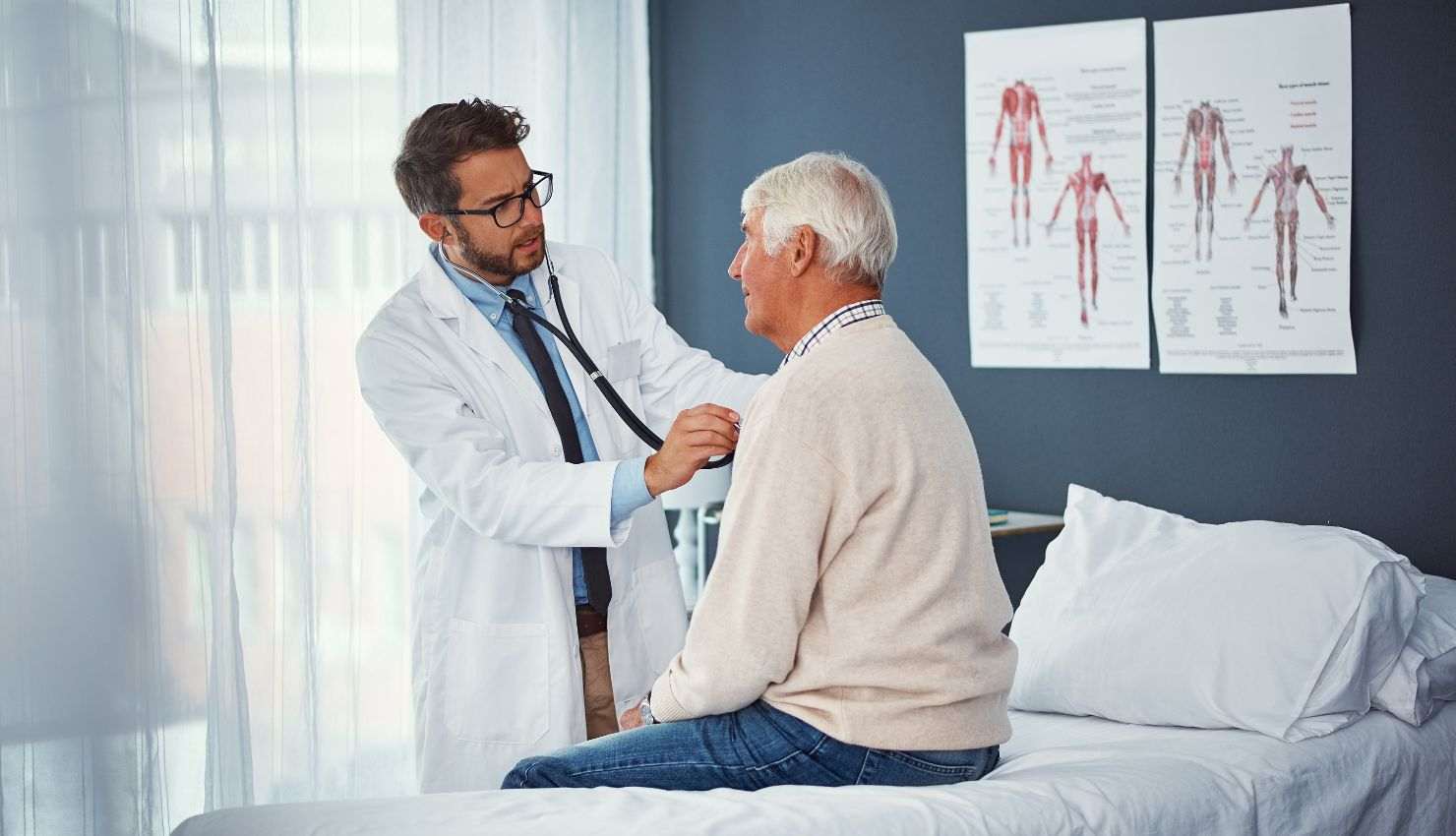
Lets face itbalance and coordination dont always get the attention they deserve. That is, until something scary happenslike a near fall, a twisted ankle, or a moment where your body just doesn’t respond the way you expected.
The truth is, falls and coordination issues dont come out of nowhere. They often build up slowly through muscle imbalances, joint stiffness, and poor movement habits. The good news? These problems are preventableand thats where Functional Health Checkups can make a huge difference.
Why Balance and Coordination Matter (For Everyone)
Whether youre navigating a crowded sidewalk, stepping off a curb, or playing your favorite sport, your coordination and stability play a key role in keeping you upright, confident, and pain-free.
And as we ageor even if we just spend a lot of time sittingthose systems start to dull. Movements become slower, reactions less sharp, and the risk of tripping or stumbling increases.
But heres the empowering part: with the right insight and training, you can rebuild and maintain coordination at every stage of life.
What Is a Functional Health Checkup?
A Functional Health Checkup is a movement-based evaluation that looks at how well your body:
Balances itself in motion
Coordinates muscle groups during daily activities
Responds to instability or uneven terrain
Engages the core and stabilizers
Aligns joints and supports posture
Unlike a general checkup, this one zooms in on how your muscles, joints, and nervous system work togetherbecause thats the real foundation of good coordination and fall prevention.
How Functional Checkups Improve Coordination
?? Uncover Muscle Imbalances and Weak Links
Functional checkups reveal whether certain muscleslike the glutes, hamstrings, or coreare too weak or not activating properly. These are key players in maintaining balance during movement.
?? Restore Symmetry and Movement Control
Many falls happen because one side of the body is compensating for the other. A checkup helps identify left/right imbalances, so both sides can move and stabilize in sync.
?? Target the Core and Stabilizer Muscles
Its not just about having strong legs. Balance depends on deep core muscles, ankle stability, and proper posture. Functional health assessments pinpoint where you’re lackingand give you the exercises to strengthen those areas.
?? Improve Neuromuscular Coordination
Your brain and body work as a team. Functional checkups help retrain your nervous system to respond more quickly and accuratelyespecially when reacting to sudden changes like a slip or trip.
Fall Prevention Starts Here
Falls are the leading cause of injury in older adultsbut theyre not just an age thing. Many falls are preventable with early action and smart movement strategies.
A functional health checkup helps you:
Identify risks early (before a fall happens)
Improve balance, gait, and reaction time
Strengthen your support system (muscles, joints, and brain-body connection)
Move with confidence every day
Who Can Benefit?
While this kind of checkup is especially valuable for older adults, its just as helpful for:
People recovering from an injury or surgery
Athletes or fitness enthusiasts with coordination challenges
Anyone experiencing dizziness, instability, or awkward movement
Those looking to age actively and independently
Final Thoughts
If youve ever felt unsteady, clumsy, or just a little “off,” youre not aloneand youre not stuck that way. A Functional Health Checkup is a powerful first step toward better coordination, safer movement, and long-term independence.
Because your body is meant to move with balance and graceand its never too early (or too late) to give it the support it needs.