How Functional Health Checkups Help Manage and Prevent Sports Injuries explores targeted strategies for recovery. Discover new paths to mobility, healing, and personalized care.

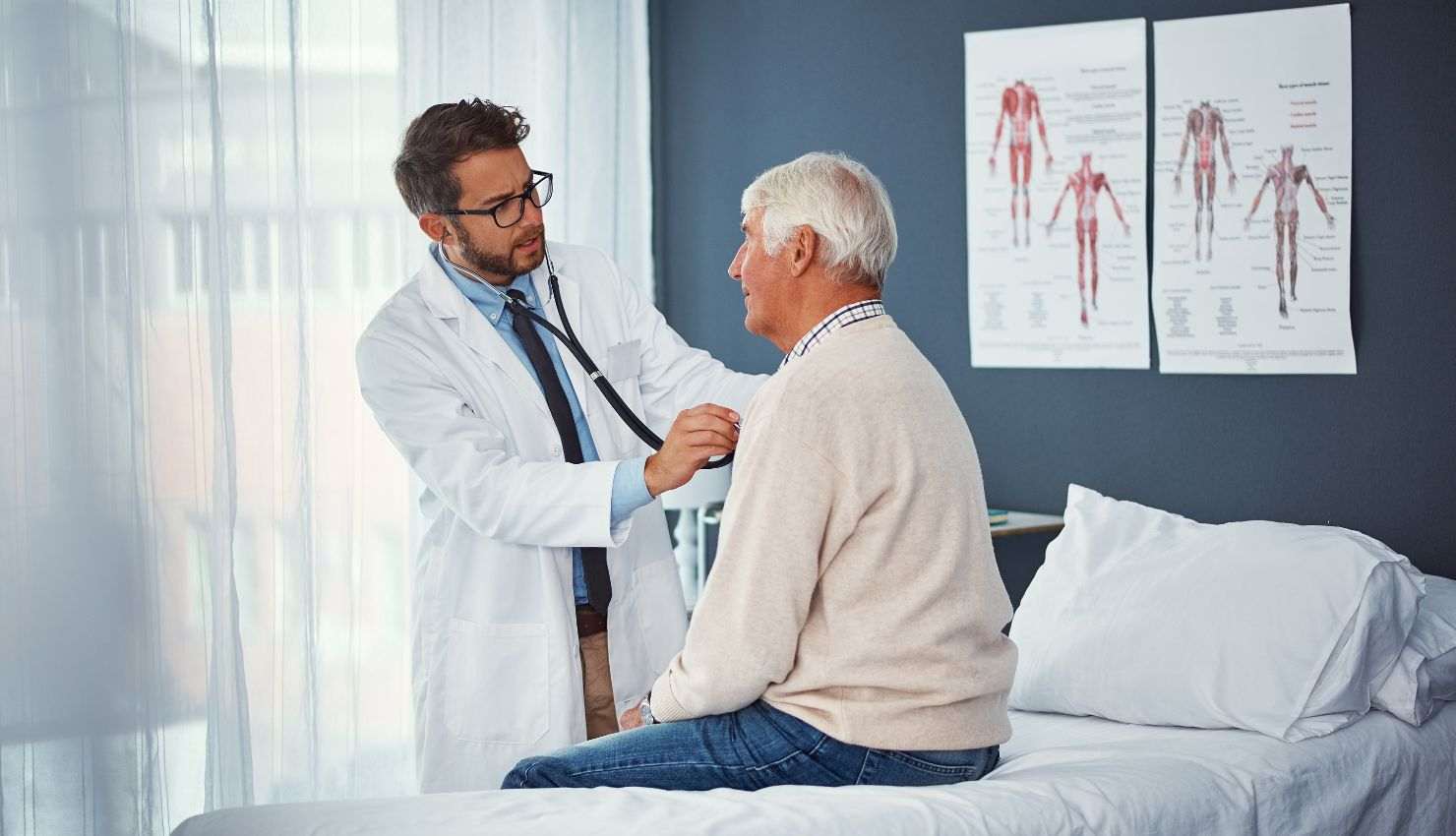
Back painits one of the most common complaints out there. Whether its a dull ache after a long day or a sharp jolt when you try to bend or twist, back pain can stop you in your tracks. And while painkillers or rest might offer temporary relief, they dont solve the real issue.
The key to long-term back health? Understanding how your body movesand fixing whats off before it causes lasting damage. Thats exactly what functional health checkups are designed to do.
?? What Is a Functional Health Checkup?
A functional health checkup is a movement-focused assessment that evaluates how well your body performs during everyday actions. It goes beyond typical medical exams by taking a close look at:
Posture and spinal alignment
Core strength and muscle balance
Joint mobility (especially in the hips, shoulders, and spine)
How you bend, lift, twist, and sit
Imbalances or compensations in movement
In other words, it checks if your body is moving the way its supposed to. If its notespecially when it comes to your backyoure at higher risk for discomfort, strain, and even chronic pain.
?? Why Most Back Pain Starts with Poor Movement
Back pain often doesnt come from a sudden injuryit develops gradually from repetitive strain, poor posture, or muscle imbalances. Sitting for hours, lifting the wrong way, or even sleeping in awkward positions can all contribute to stress on your spine.
Heres what commonly leads to back pain:
Weak core muscles
Tight hips or hamstrings
Poor posture (like slouching or forward head position)
Uneven loading during lifting or twisting
Lack of mobility in surrounding joints (like the hips or shoulders)
A functional checkup identifies these underlying causes, so you can address the problem at its sourcenot just treat the symptoms.
?? How Functional Health Checkups Help Prevent Back Pain
Even if youre not currently in pain, your body could be headed in that direction. Functional health checkups are proactivethey help you spot the warning signs early, such as:
Limited spinal flexibility
Core instability
Tightness in surrounding muscles that pulls the spine out of alignment
Movement habits that overload your lower back
Once these red flags are identified, youll get a personalized plan to strengthen weak areas, stretch tight spots, and correct posture and movement patternsbefore pain ever sets in.
?? How Functional Checkups Support Recovery from Back Pain
Already dealing with back pain? A functional assessment can be your roadmap to real, lasting relief. Heres how:
? Find the Root Cause
Maybe the pain is in your lower backbut the problem actually starts in your hips or feet. Functional checkups look at the body as a whole to find the true cause of your discomfort.
? Tailored Rehab Plans
Instead of one-size-fits-all stretches or exercises, youll get a custom recovery plan that targets your bodys specific needs. This ensures a smarter, faster, and safer recovery.
? Prevent Re-Injury
Most people whove had back pain experience it again. Functional checkups reduce the risk of recurrence by correcting faulty movement patterns and strengthening supportive muscles.
????? Who Should Get a Functional Checkup for Back Pain?
Construction workers and laborers: Repetitive lifting and twisting takes a toll on the spine.
Office workers: Prolonged sitting weakens the core and tightens the hips.
Athletes and gym-goers: Improper form and overuse can strain the back.
Anyone with recurring or chronic back discomfort: Dont wait for it to get worse.
?? Final Word: Dont Just Mask Back PainFix It
Back pain might be common, but its not something you have to live with. With regular functional health checkups, you can keep your spine aligned, your muscles strong, and your movements pain-free.
Its not about doing moreit’s about moving smarter. Whether youre preventing pain or managing recovery, a functional checkup is one of the most valuable tools in your health and wellness toolkit.