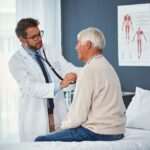
How Post-Surgical Rehabilitation Enhances Recovery and Mobility explores targeted strategies for recovery. Discover new paths to mobility, healing, and personalized care.


Recovering from surgery can be a challenging journey, but post-surgical rehabilitation plays a crucial role in helping patients regain their strength, mobility, and independence. Whether youve undergone orthopedic surgery, joint replacement, or any other type of operation, a well-structured rehabilitation program can dramatically improve your recovery outcomes. In this blog, well explore how post-surgical rehabilitation enhances recovery and mobility, why its essential, and how it can help you get back to your active lifestyle sooner.
Understanding Post-Surgical Rehabilitation
Post-surgical rehabilitation refers to the process of physical therapy and other therapeutic interventions designed to support healing after surgery. Its a vital phase in your overall recovery plan, aiming to restore function, reduce pain, and improve movement in the affected areas. This rehabilitation usually begins shortly after surgery, once your surgeon confirms its safe to start gentle exercises and therapy.
The Importance of Early Mobilization
One of the biggest benefits of post-surgical rehabilitation is early mobilization. Staying immobile for too long after surgery can lead to stiffness, muscle atrophy, and reduced joint function. Rehabilitation encourages gentle movement and exercises that help maintain and restore flexibility and strength. Early mobilization also improves blood circulation, which is crucial for faster healing and preventing complications like blood clots.
Enhancing Recovery Through Targeted Physiotherapy
Physiotherapy is often the cornerstone of post-surgical rehab. Skilled physiotherapists design customized treatment plans that focus on your specific surgery and personal needs. These plans include exercises that improve muscle strength, joint range of motion, and overall coordination. Regular physiotherapy sessions help prevent scar tissue buildup, which can limit mobility if left unmanaged.
Moreover, physiotherapy techniques such as manual therapy, massage, and guided stretching help reduce swelling and pain, making it easier for patients to engage in active recovery. The goal is not only to heal but to empower patients to regain independence in daily activities.
Accelerating Healing with Post-Surgical Rehab
Recovery timelines vary depending on the type of surgery and individual health factors, but post-surgical rehabilitation can accelerate healing by promoting proper tissue repair. Exercises prescribed during rehab improve oxygen and nutrient flow to the surgical site, essential for tissue regeneration.
Additionally, rehabilitation programs often incorporate education on proper posture and movement patterns to prevent re-injury or complications. By learning how to move safely, patients reduce the risk of setbacks and promote long-term joint and muscle health.
Regaining Mobility and Function
After surgery, limited mobility is common due to pain, swelling, and the natural healing process. Post-surgical rehab focuses on gradually restoring functional mobility the ability to move freely and perform daily tasks without discomfort.
Through progressive strengthening exercises and mobility drills, patients work on walking, bending, lifting, and other essential movements. This focus on functional rehabilitation helps individuals return to work, hobbies, and social activities faster, improving their quality of life.
Pain Management and Comfort
Pain and discomfort are natural after surgery, but effective post-surgical rehab can significantly reduce these symptoms. Techniques such as controlled movement, cold therapy, and physiotherapy modalities target inflammation and muscle stiffness.
Reducing pain early in the recovery phase encourages more consistent participation in rehabilitation exercises, which is critical for a successful outcome. Patients often find that pain management through rehab decreases their reliance on medication, minimizing potential side effects.
Psychological Benefits of Post-Surgical Rehabilitation
Beyond the physical benefits, rehabilitation provides psychological support during recovery. Surgery and immobility can lead to feelings of frustration or anxiety, but working with a physiotherapist offers motivation and reassurance. Seeing measurable progress through rehab sessions boosts confidence and helps patients stay committed to their recovery goals.
Tips for a Successful Post-Surgical Rehab Experience
Follow your rehab plan consistently: Attend all physiotherapy sessions and perform prescribed exercises at home.
Communicate openly: Keep your healthcare team informed about any pain or difficulties you experience.
Maintain a healthy lifestyle: Good nutrition and hydration support healing and energy levels.
Set realistic goals: Understand that recovery takes time, and progress may be gradual.
Stay positive: Celebrate small milestones and focus on your long-term health.
Conclusion
Post-surgical rehabilitation is more than just a recovery stepits an essential process that enhances healing, restores mobility, and reduces pain and discomfort after surgery. By actively participating in physiotherapy and following a tailored rehab plan, patients can significantly improve their recovery outcomes and regain their active lifestyle sooner.
If you or a loved one is preparing for surgery or currently recovering, understanding the value of post-surgical rehabilitation can make all the difference. Embrace the rehab journey as a powerful tool to regain strength, function, and freedomyour body will thank you for it.