The Benefits of Post-Surgical Rehabilitation for Joint Replacement Recovery explores targeted strategies for recovery. Discover new paths to mobility, healing, and personalized care.

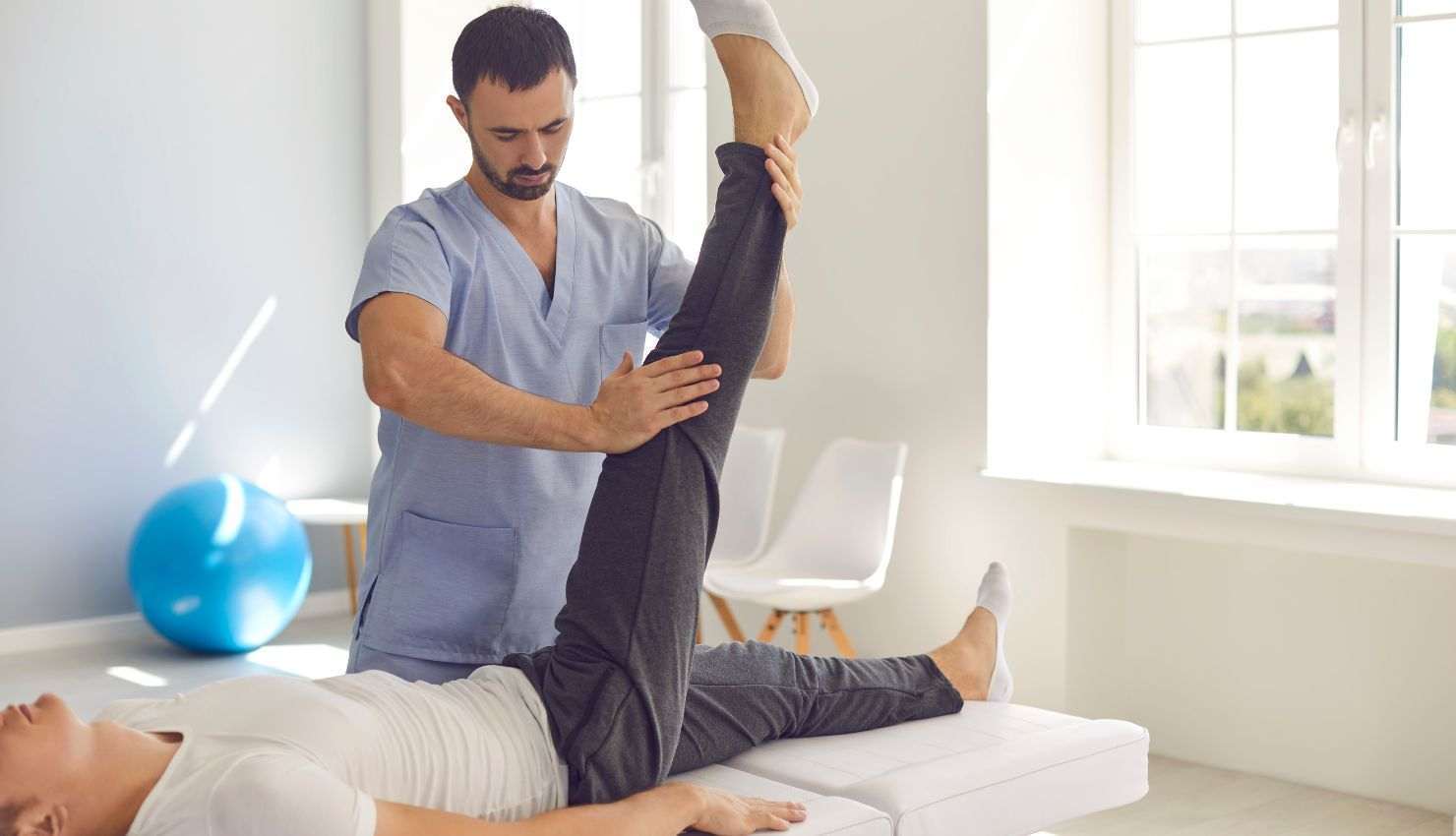
Joint replacement surgerywhether its the hip, knee, shoulder, or another jointcan be life-changing, offering relief from chronic pain and restoring mobility. But surgery alone isnt the finish line. The road to a successful joint replacement recovery is paved with effective post-surgical rehabilitation, which plays a crucial role in maximizing outcomes and getting you back to the activities you love.
In this blog, well explore the benefits of post-surgical rehabilitation specifically for joint replacement recovery and why committing to rehab is essential for long-term joint health.
Why Joint Replacement Surgery Needs Rehab
Joint replacement surgery involves removing damaged joint surfaces and replacing them with artificial implants. While this restores the joints structure, the surrounding muscles, ligaments, and soft tissues need rehabilitation to adapt to the new joint mechanics.
Without rehab, patients often face:
Muscle weakness and atrophy
Joint stiffness and limited range of motion
Pain and swelling
Difficulty performing daily activities
Rehabilitation addresses these challenges head-on to ensure optimal recovery.
Key Benefits of Post-Surgical Rehabilitation After Joint Replacement
Restores Range of Motion
After surgery, joints tend to be stiff due to pain, swelling, and inactivity. Rehabilitation includes gentle stretching and mobilization exercises to restore flexibility and prevent permanent stiffness.
Rebuilds Muscle Strength
Surgery and limited use weaken muscles around the joint. Strengthening exercises focus on these muscles to improve joint stability, support the implant, and enhance function.
Reduces Pain and Swelling
Physiotherapy techniques such as manual therapy, cold therapy, and pain relief modalities help control pain and inflammation, making movement more comfortable.
Improves Functional Mobility
Rehab focuses on retraining movement patterns for activities like walking, climbing stairs, and getting in and out of chairscritical for returning to independence.
Prevents Complications
Early mobilization reduces the risk of blood clots, pneumonia, and joint contractures, supporting overall health and faster recovery.
Enhances Balance and Coordination
Balance training reduces fall risk, which is vital for joint replacement patients to protect the new joint.
What Does a Typical Rehab Program Look Like?
Early Phase (Weeks 14): Focus on pain control, reducing swelling, and gentle range of motion exercises.
Middle Phase (Weeks 48): Begin strengthening exercises, improve walking ability, and increase joint mobility.
Late Phase (Weeks 8+): Advanced strengthening, balance training, and functional activities to return to daily life and hobbies.
The Importance of Consistency and Commitment
Post-surgical rehabilitation is most effective when patients are consistent with therapy sessions and committed to home exercise programs. Progress can sometimes feel slow, but every session moves you closer to full recovery.
Tips for Success in Joint Replacement Rehab
Start rehab as soon as your healthcare team recommends.
Follow your physiotherapists guidance and ask questions.
Avoid overexertion but stay active within prescribed limits.
Maintain a balanced diet to support healing.
Use assistive devices as advised, gradually weaning off as strength improves.
Long-Term Impact of Rehab on Joint Replacement Outcomes
Patients who complete a thorough rehabilitation program generally experience less pain, better mobility, and higher satisfaction with their joint replacement. Rehab not only aids in immediate recovery but also helps maintain joint health and function years after surgery.
Conclusion
Post-surgical rehabilitation is a cornerstone of successful joint replacement recovery. It restores movement, rebuilds strength, controls pain, and prevents complicationsensuring you get the most out of your new joint.
If youre preparing for joint replacement surgery or currently recovering, investing in a comprehensive rehab program is one of the best decisions for your long-term health and mobility. With the right support, you can enjoy a more active, pain-free life.