Key Physiotherapy Exercises for Post-Surgical Knee Rehab explores targeted strategies for recovery. Discover new paths to mobility, healing, and personalized care.

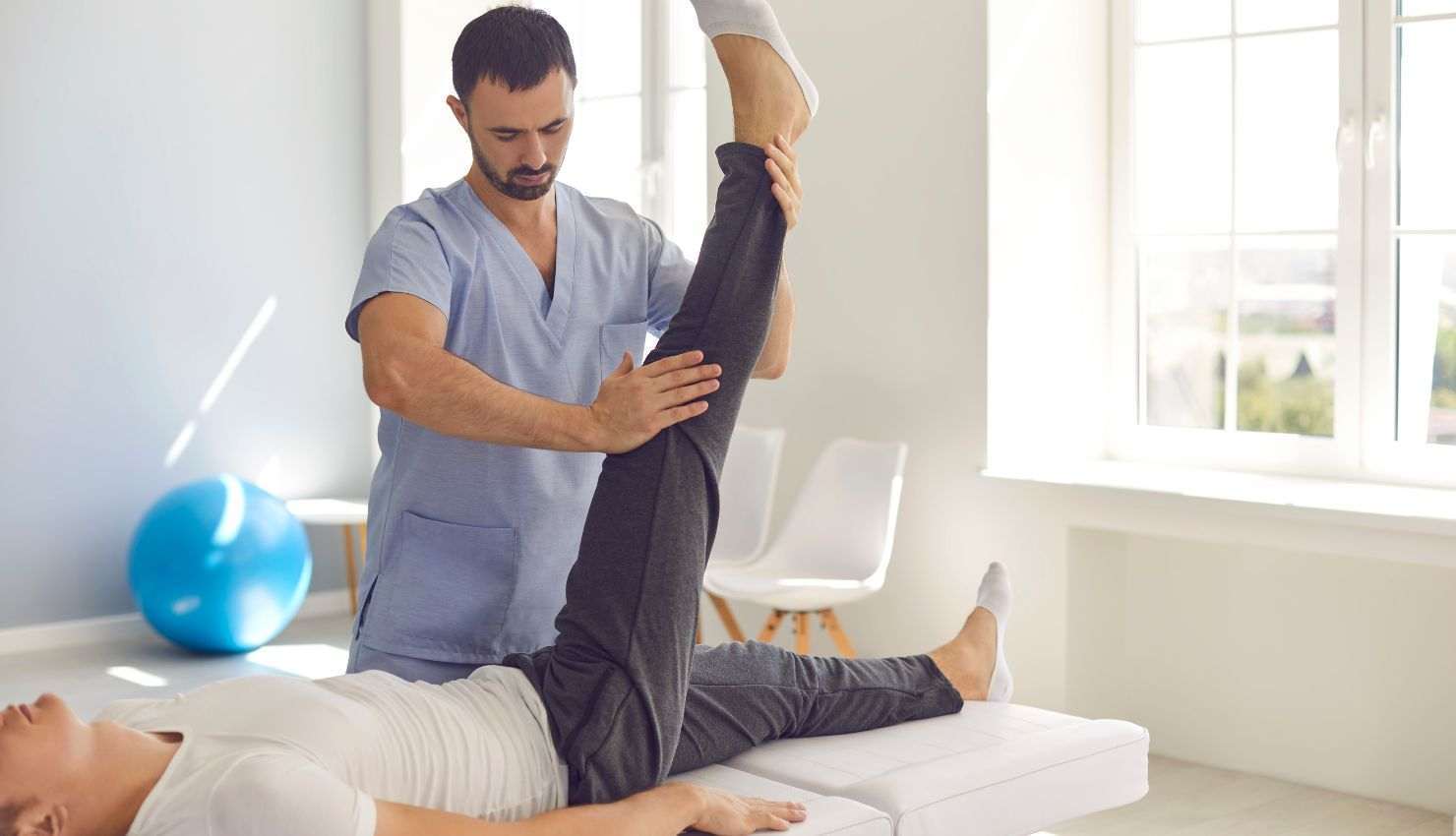
Knee surgerywhether its a total knee replacement, ACL reconstruction, or meniscus repaircan be a pivotal step toward regaining mobility and reducing pain. But the real journey begins after the surgery, where post-surgical rehabilitation is essential for restoring strength, flexibility, and function to the knee. Physiotherapy plays a key role in guiding you through safe and effective exercises designed specifically to support your recovery.
If youre preparing for knee surgery or are currently recovering, knowing the key physiotherapy exercises used in post-surgical knee rehab will help you understand what to expect and why each movement matters.
Why Are Physiotherapy Exercises Crucial After Knee Surgery?
After knee surgery, your joint and surrounding muscles may be weak, stiff, or swollen. Scar tissue and inflammation can limit your range of motion, and the pain can make moving difficult. Physiotherapy exercises are designed to:
Improve joint mobility and reduce stiffness
Strengthen muscles supporting the knee (especially the quadriceps and hamstrings)
Reduce swelling and promote circulation
Restore balance and proprioception (awareness of joint position)
Facilitate safe and gradual return to daily activities
Skipping or rushing rehab can lead to poor outcomes, including persistent pain, reduced function, and longer recovery times.
When Does Post-Surgical Knee Rehab Start?
Physiotherapy often starts within 24 to 48 hours after surgery, depending on your surgeons protocol. Early rehab focuses on gentle movements and swelling control. As healing progresses, the intensity and variety of exercises increase.
Key Physiotherapy Exercises for Knee Rehab
Heres a breakdown of common exercises used in various phases of post-surgical knee rehab:
1. Ankle Pumps
Purpose: Promote circulation and prevent blood clots.
How: While lying down, flex and point your ankles up and down repeatedly.
2. Quadriceps Sets
Purpose: Activate and strengthen the quadriceps muscle to support the knee.
How: Tighten the muscles on the front of your thigh and hold for 5-10 seconds, then release.
3. Heel Slides
Purpose: Improve knee flexion (bending).
How: While lying on your back, slowly slide your heel toward your buttocks, bending your knee as much as comfort allows.
4. Straight Leg Raises
Purpose: Strengthen the quadriceps without bending the knee.
How: Lie flat, tighten your thigh muscles, and slowly lift your leg a few inches off the ground, keeping the knee straight.
5. Knee Extensions
Purpose: Improve knee extension (straightening).
How: Sit in a chair, slowly straighten your knee and hold for a few seconds before lowering it down.
6. Hamstring Curls
Purpose: Strengthen hamstrings which stabilize the knee.
How: While standing, bend your knee bringing your heel toward your buttocks, hold, then lower.
7. Seated Marching
Purpose: Promote hip and knee mobility with low impact.
How: While sitting, lift each knee alternately as if marching.
8. Mini Squats
Purpose: Strengthen quadriceps, glutes, and improve knee stability.
How: Stand holding onto a support, bend knees slightly (about 30 degrees), then return to standing.
9. Step-Ups
Purpose: Enhance strength and functional movement.
How: Step onto a low platform or stair with one foot, then step down, alternating legs.
10. Balance and Proprioception Exercises
Purpose: Improve joint awareness and prevent falls.
How: Standing on one leg or using a wobble board under supervision.
Progression of Exercises During Rehab
Rehab usually follows a gradual progression:
Early Phase (Weeks 1-4): Focus on gentle range-of-motion exercises and muscle activation with minimal weight-bearing.
Mid Phase (Weeks 4-8): Begin strengthening exercises and more weight-bearing activities.
Late Phase (Weeks 8+): Emphasize endurance, balance, and functional movements like walking, stair climbing, and sports-specific drills.
Tips to Get the Most Out of Your Knee Rehab
Be consistent: Daily practice of prescribed exercises accelerates progress.
Manage pain and swelling: Use ice, compression, and elevation as needed.
Listen to your body: Mild discomfort is normal, but sharp pain should be reported to your therapist.
Follow weight-bearing guidelines: Use crutches or walkers as recommended until cleared.
Stay motivated: Celebrate small improvements and keep your end goal in mind.
When Can You Expect Results?
Most patients notice improved mobility and reduced pain within the first few weeks, with steady gains in strength and function over 3 to 6 months. Full recovery varies but with dedicated rehab, many return to their desired activities with confidence.
In conclusion, post-surgical knee rehab is a carefully structured process that relies on specific physiotherapy exercises to restore strength, flexibility, and stability. Embracing your rehab program and performing these exercises regularly will set the foundation for a successful, long-lasting recovery.