Post-Surgical Rehab for Foot and Ankle Recovery explores targeted strategies for recovery. Discover new paths to mobility, healing, and personalized care.

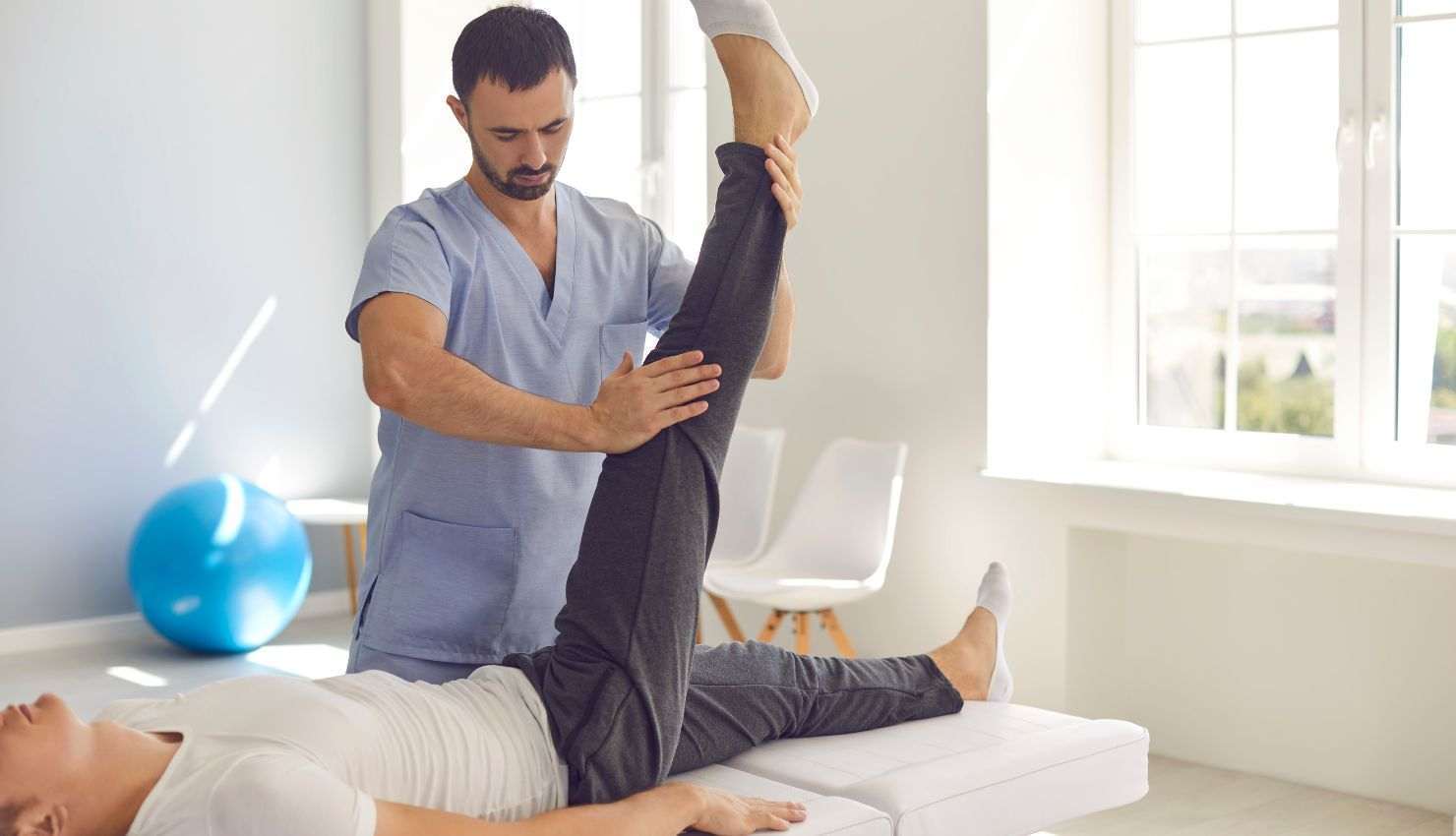
Foot and ankle surgeries, whether for fractures, ligament repairs, or joint replacements, are common procedures aimed at relieving pain and restoring function. However, the journey to full recovery doesnt end in the operating room. Post-surgical rehabilitation is a critical part of healing, helping you regain strength, mobility, and balance to get back on your feet confidently.
This guide will walk you through what to expect from post-surgical rehab for foot and ankle recovery, why its so important, and the key physiotherapy strategies that support your healing.
Why Is Post-Surgical Rehab Important for Foot and Ankle Surgery?
The foot and ankle complex is intricate, supporting your bodys weight and enabling walking, running, and balance. Surgery often means immobilization and reduced use, which can lead to muscle weakness, stiffness, swelling, and altered gait.
Rehabilitation helps by:
Restoring joint range of motion
Strengthening muscles that stabilize the foot and ankle
Reducing swelling and pain
Improving proprioception (joint awareness) and balance
Preventing complications like stiffness, chronic pain, or re-injury
Without proper rehab, you risk prolonged disability or difficulty returning to your normal activities.
Typical Phases of Foot and Ankle Rehab
Phase 1: Protection and Early Mobilization (Weeks 0-2)
Immobilization with a cast or boot as prescribed
Gentle toe and ankle movements within pain-free limits
Swelling control using elevation and compression
Non-weight bearing or partial weight-bearing with crutches
Phase 2: Range of Motion and Muscle Activation (Weeks 2-6)
Gradual increase in ankle joint mobility exercises
Isometric muscle contractions to maintain strength
Progression to weight-bearing as advised by your surgeon
Gentle stretching for calf and foot muscles
Phase 3: Strengthening and Balance Training (Weeks 6-12)
Resistance exercises for ankle dorsiflexors, plantarflexors, invertors, and evertors
Balance and proprioception exercises using wobble boards or foam pads
Gait training to restore normal walking patterns
Phase 4: Advanced Functional Training (3 months and beyond)
Plyometric and sport-specific drills for athletes
Endurance training for walking or running
Return to work and recreational activities guidance
Key Physiotherapy Exercises for Foot and Ankle Rehab
Ankle pumps: Flex and point the foot to improve circulation and mobility.
Towel curls: Use toes to scrunch a towel, strengthening intrinsic foot muscles.
Heel raises: Lift heels while standing to strengthen calf muscles.
Alphabet exercises: Trace letters with your foot to improve mobility and coordination.
Balance drills: Stand on one foot or use balance equipment to enhance stability.
Resistance band exercises: Strengthen all ankle movements with controlled resistance.
Managing Swelling and Pain During Rehab
Swelling can linger after foot and ankle surgery. Physiotherapists teach strategies like elevation, ice application, and compression to reduce fluid buildup. Pain management includes pacing activities and gentle mobilization.
Tips for a Successful Recovery
Follow weight-bearing instructions carefully to avoid overloading healing tissues.
Attend all physiotherapy sessions and perform home exercises consistently.
Wear supportive footwear as recommended.
Avoid high-impact activities until cleared by your therapist.
Stay patientfoot and ankle recovery often takes several months.
When Will You Fully Recover?
Recovery time varies based on the surgery type and individual factors, but most patients regain significant function within 3 to 6 months. Full return to sports or high-impact activities may take longer.
In conclusion, post-surgical rehabilitation for foot and ankle injuries is essential for restoring strength, mobility, and balance. With guided physiotherapy, careful progression, and your active participation, youll be back on your feet and moving confidently toward your goals.