How Post-Surgical Physiotherapy Improves Your Posture After Surgery explores targeted strategies for recovery. Discover new paths to mobility, healing, and personalized care.

Surgery can be life-changingin many ways. While it often fixes a problem or relieves pain, it can also impact your bodys alignment and posture. For seniors especially, who may already have posture challenges, surgery can sometimes make things worse if proper rehabilitation is not followed. Thats where post-surgical physiotherapy becomes a game-changer. By focusing on restoring good posture, physiotherapy helps you recover not just from the surgery itself, but also regain your balance, comfort, and overall well-being.
Why Posture Matters After Surgery
Posture is how your body holds itself in space. Good posture means your muscles and joints are aligned efficiently, minimizing strain and wear. Poor posture, on the other hand, can cause pain, muscle fatigue, and even affect breathing and digestion.
Surgery often leads to changes in posture due to:
Pain and discomfort causing you to favor one side of your body.
Immobilization leading to muscle weakness or tightness.
Swelling or scar tissue restricting movement.
Fear of moving normally due to fear of pain or injury.
Without proper care, these changes can become permanent, leading to chronic pain or functional limitations.
How Physiotherapy Targets Posture After Surgery
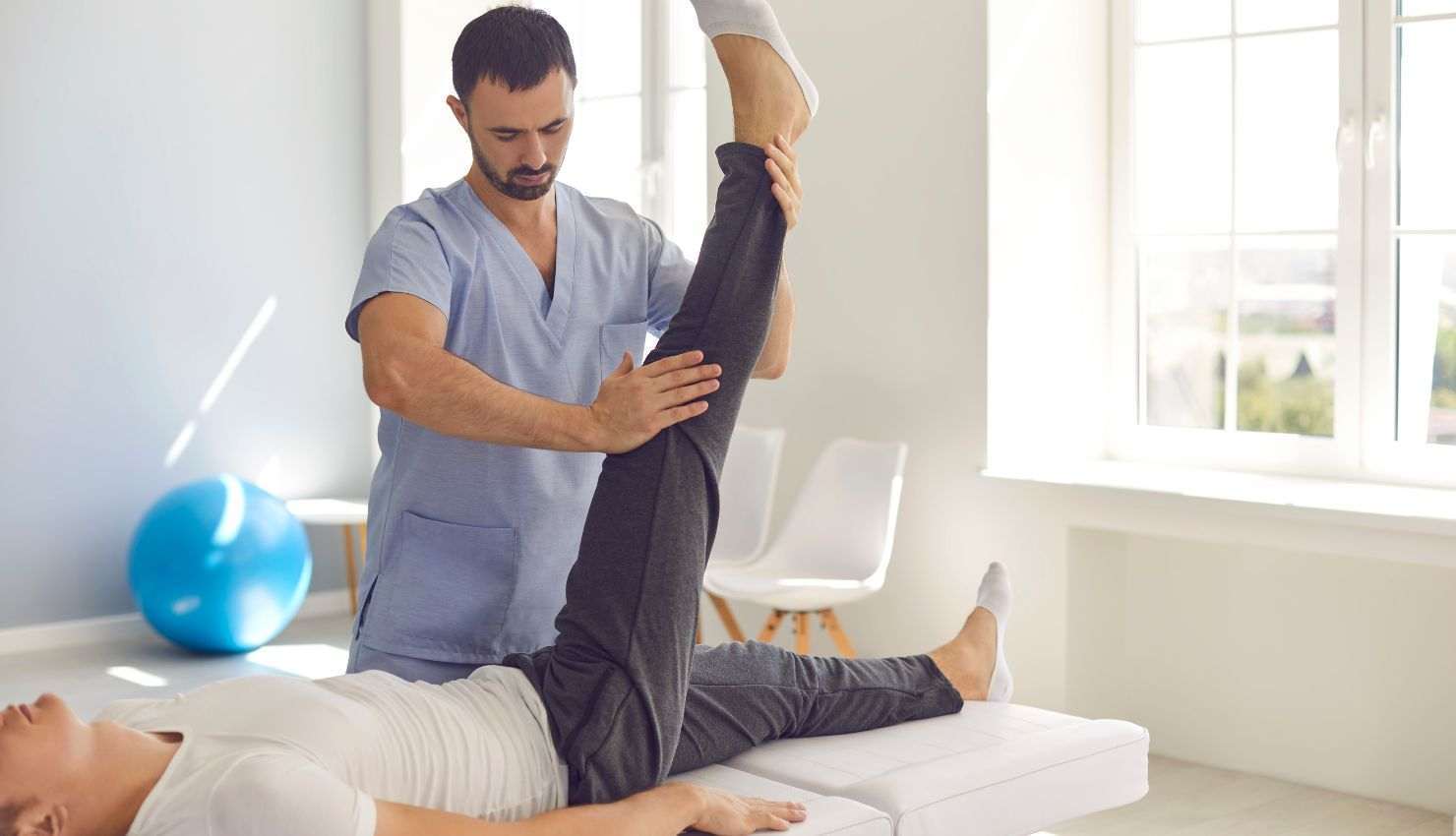
Physiotherapists are experts in movement and alignment. Post-surgical physiotherapy uses a combination of techniques to gently correct posture while supporting healing, including:
Assessment of Body Alignment: The therapist evaluates your posture, looking for imbalances in the spine, shoulders, pelvis, and hips that may have developed after surgery.
Stretching Tight Muscles: Surgery and immobilization often cause muscles to tighten. Stretching helps lengthen these muscles, reducing stiffness and improving posture.
Strengthening Weak Muscles: Weak muscles cant support proper alignment. Physiotherapy strengthens key postural muscles, like the core, back, and glutes.
Balance and Coordination Training: Good posture depends on your bodys ability to balance. Exercises improve neuromuscular control, helping you maintain upright posture naturally.
Education on Ergonomics: Physiotherapists teach you how to sit, stand, and move correctly to protect your posture during everyday activities.
The Link Between Post-Surgery Pain and Posture
Pain after surgery often causes you to adopt protective postureslike hunching or leaningwhich can become habitual. This protective posture can lead to muscle imbalances and joint strain in other parts of the body, making recovery slower and more uncomfortable.
By addressing these patterns early, physiotherapy reduces pain by improving alignment and movement efficiency, creating a positive cycle where less pain leads to better posture, and better posture leads to less pain.
Examples of Post-Surgical Posture Issues and How Physiotherapy Helps
After Back or Spinal Surgery: Patients might lean forward or avoid standing tall due to pain or fear. Physiotherapy gradually introduces safe spinal extension exercises and core strengthening to restore an upright posture.
After Hip or Knee Surgery: Limping or favoring one leg can shift your pelvis and spine out of alignment. Therapists work on gait retraining and strengthening hip and thigh muscles to even out posture.
After Abdominal or Chest Surgery: Scar tissue and muscle weakness can cause rounded shoulders or a slouched chest. Physiotherapy focuses on chest opening stretches and strengthening upper back muscles.
Long-Term Benefits of Improved Posture Post-Surgery
Focusing on posture during recovery has lasting benefits beyond just healing the surgical site:
Reduced Risk of Re-Injury: Proper posture protects joints and muscles from unnecessary strain.
Improved Breathing and Circulation: Good posture allows your lungs and heart to function more efficiently.
Enhanced Confidence and Mobility: Standing tall improves your presence and can reduce feelings of fatigue.
Prevention of Chronic Pain: Correcting posture early prevents compensation patterns that often lead to back, neck, or joint pain.
How to Support Post-Surgical Posture at Home
Physiotherapists often prescribe home exercises that focus on posture. Here are some tips to keep in mind:
Maintain Awareness: Check your posture regularly throughout the day, especially while sitting or using devices.
Use Supportive Seating: Chairs with good back support help maintain natural curves of the spine.
Practice Gentle Stretching: Focus on areas that feel tight or stiff but avoid overdoing it.
Incorporate Strength Training: Target core muscles and the upper back to support spinal alignment.
Follow Your Physiotherapists Guidance: Avoid rushing back into old habits or activities that may hinder your recovery.
Final Thoughts
Post-surgical physiotherapy is about more than just healing the surgical woundits about restoring your whole bodys function, starting with posture. Seniors, in particular, can greatly benefit from targeted physiotherapy that addresses posture issues that surgery might create or exacerbate. With professional guidance and consistent effort, you can regain balanced posture, reduce pain, and improve your quality of life after surgery.
Dont let poor posture slow down your recovery. Embrace physiotherapy as your partner in standing tall and moving confidently once again.