Post-Surgical Rehab for Knee Surgery explores targeted strategies for recovery. Discover new paths to mobility, healing, and personalized care.

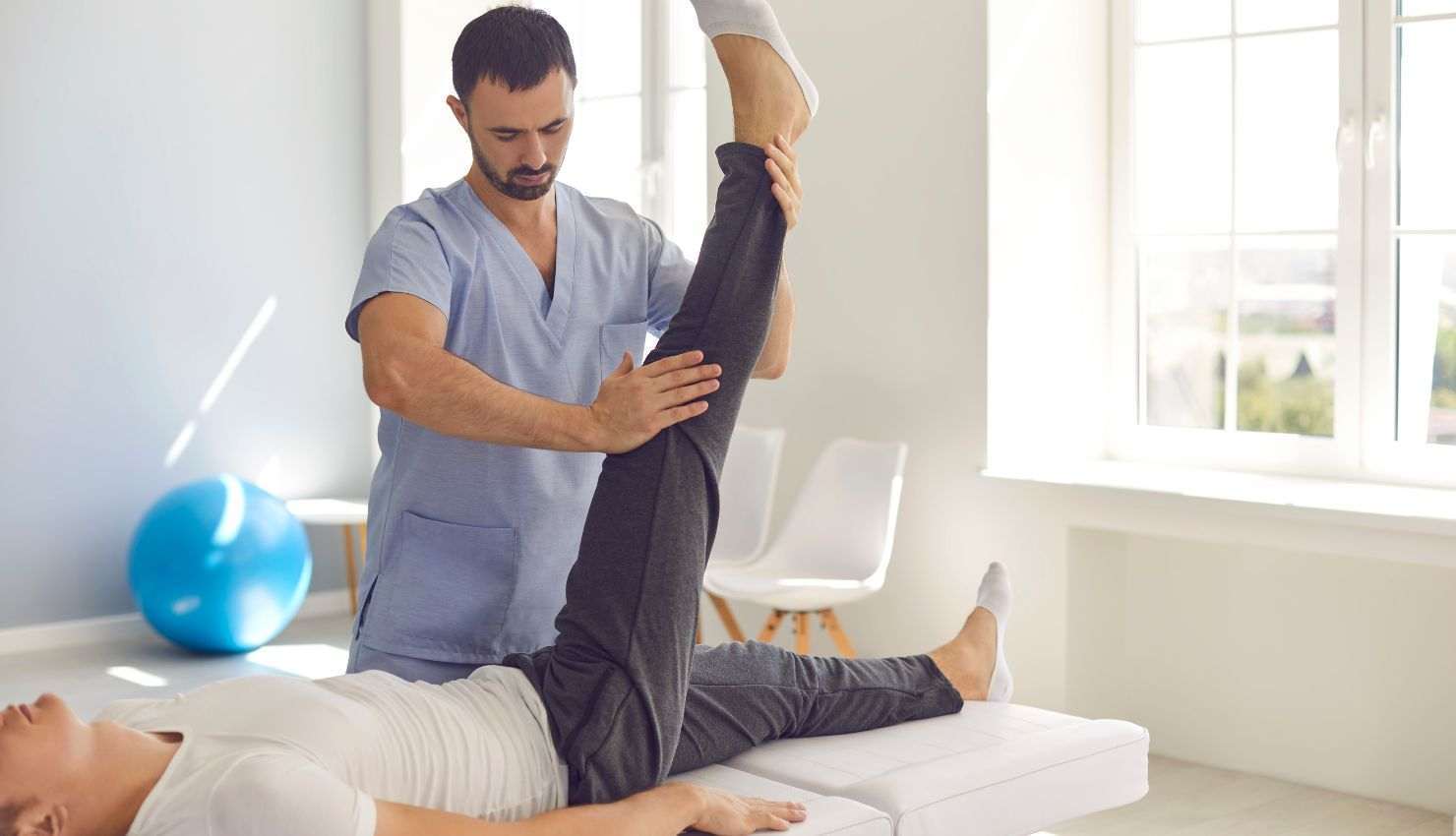
Knee surgerywhether its a total knee replacement, ligament repair, or arthroscopycan be a major step toward regaining mobility and reducing pain. But surgery is only the beginning of your recovery journey. Post-surgical rehabilitation is essential to restore strength, improve function, and get you back on your feet. For seniors, who often face additional challenges such as slower healing and pre-existing joint issues, targeted rehab can make all the difference in the quality and speed of recovery.
If youve recently undergone knee surgery, understanding the key exercises involved in post-surgical rehab can help you feel more confident, motivated, and ready to reclaim your mobility.
Why Post-Surgical Rehab Is Crucial After Knee Surgery
The knee is a complex joint that supports your body weight and allows for movements like walking, climbing, and bending. Surgery can temporarily weaken the muscles around the knee and reduce joint flexibility. Without proper rehab:
Muscle atrophy can occur quickly.
Joint stiffness and swelling may persist.
Balance and coordination can be impaired.
Daily activities may remain difficult or painful.
Physiotherapy helps combat these issues by gradually reintroducing movement and strengthening exercises tailored to your healing stage.
Key Phases of Post-Surgical Knee Rehab
Rehabilitation after knee surgery generally follows a structured progression to ensure safety and effectiveness:
Phase 1: Early Recovery (0-2 weeks)
Focus on reducing swelling, managing pain, and beginning gentle range of motion exercises. You may start with ankle pumps, heel slides, and quadriceps sets.
Phase 2: Regaining Mobility (2-6 weeks)
Increase knee flexibility with controlled bending and straightening movements. Gentle strengthening of the quadriceps, hamstrings, and calf muscles is introduced.
Phase 3: Strength Building (6-12 weeks)
Emphasis on improving muscle strength and endurance through resistance exercises, balance training, and low-impact aerobic activities like cycling or swimming.
Phase 4: Functional Training (3+ months)
Return to daily activities, sports, or hobbies with more advanced exercises focused on agility, coordination, and stability.
Essential Exercises for Post-Knee Surgery Rehab
Here are some of the most common and effective exercises used during post-surgical rehabilitation for knee surgery:
Ankle Pumps
Lying down or sitting, flex and point your feet up and down. This simple movement promotes circulation and reduces swelling.
Quadriceps Sets
Tighten the thigh muscle, pressing the back of your knee down into the bed or floor, and hold for a few seconds. This helps rebuild quad strength without moving the knee.
Heel Slides
Slide your heel toward your buttocks while lying down to gently bend the knee and increase flexibility.
Straight Leg Raises
While lying flat, lift your straight leg slowly to strengthen the quadriceps without putting pressure on the knee.
Mini Squats
Standing with support, bend your knees slightly (about 20-30 degrees) to engage leg muscles and improve stability.
Step-Ups
Using a low step, practice stepping up and down to rebuild functional strength needed for walking and climbing stairs.
Balance Exercises
Standing on one leg or using a balance board to enhance proprioception and prevent falls.
Tips for Safe and Effective Knee Rehab
Always follow your physiotherapists guidance regarding intensity and progression.
Start slowly and listen to your bodysome discomfort is normal, but sharp pain is a warning.
Use assistive devices like walkers or canes as recommended to reduce strain.
Ice and elevate your knee after exercise to control swelling.
Stay consistent with your home exercise program to see steady improvement.
The Impact of Rehab on Long-Term Knee Health
Effective post-surgical rehab not only restores knee function but also:
Enhances joint stability, reducing the risk of future injuries.
Improves gait and walking patterns.
Promotes independence in daily living.
Reduces chronic pain and arthritis progression.
For seniors, maintaining knee strength and mobility can significantly improve quality of life and reduce reliance on medications or further interventions.
Conclusion
Knee surgery marks a new beginning, but the road to full recovery depends heavily on your commitment to post-surgical rehabilitation. Key exercises that focus on gentle movement, strength building, and balance retraining will help you regain function and get back to doing the things you love.
If youre a senior recovering from knee surgery, partnering with a skilled physiotherapist and sticking to a structured exercise plan is your best strategy for a safe, effective, and lasting recovery.