Post-Surgical Rehab for Spinal Fusion explores targeted strategies for recovery. Discover new paths to mobility, healing, and personalized care.

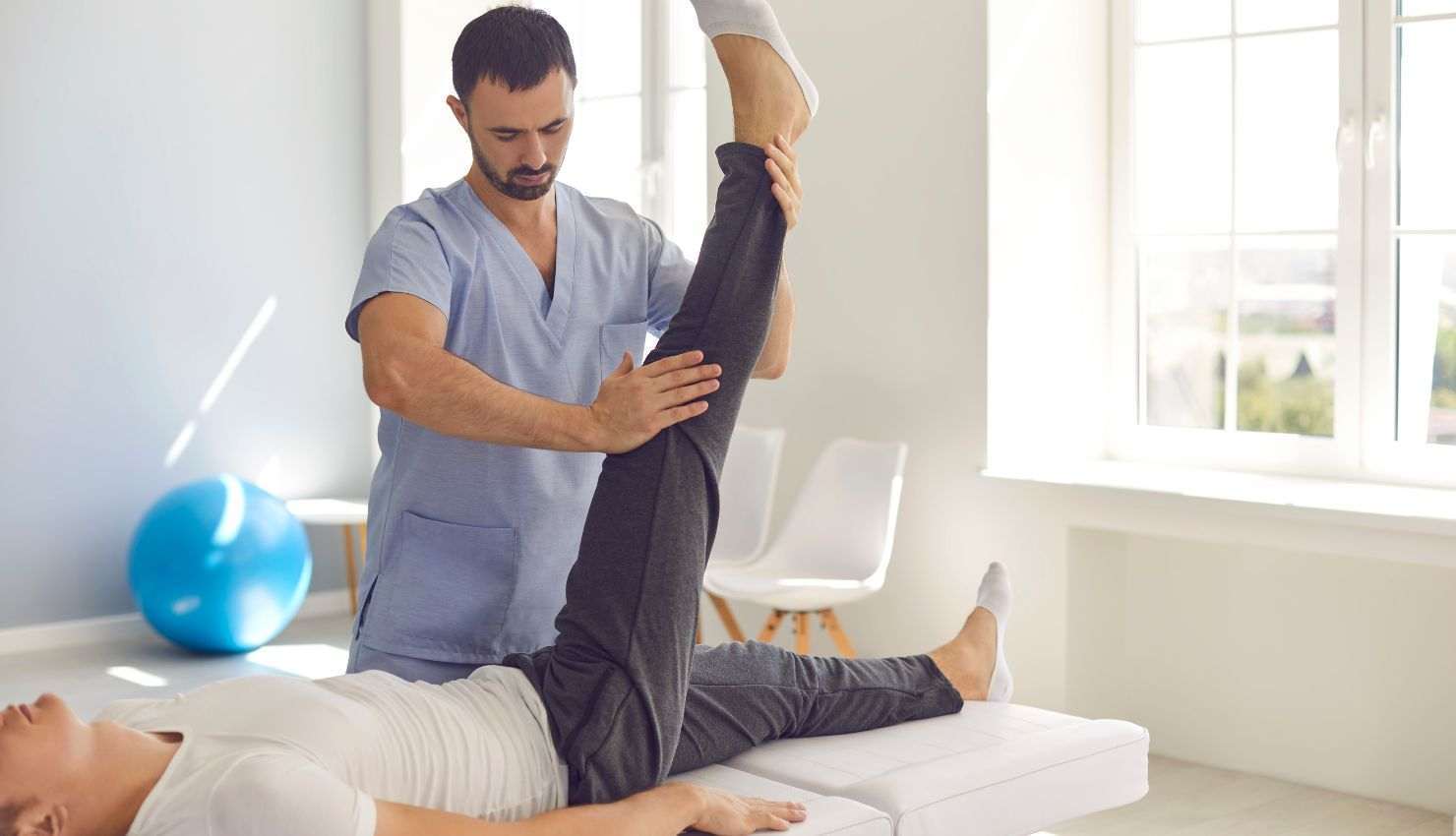
Spinal fusion surgery is often a critical intervention to relieve pain, stabilize the spine, or correct deformities. While the surgery itself can offer significant relief, the recovery phase demands dedication and care, with post-surgical rehabilitation playing a pivotal role in ensuring the best possible outcomes. Understanding what to expect from rehab after spinal fusion can help you prepare mentally and physically for this important step.
What is Spinal Fusion Surgery?
Spinal fusion involves permanently joining two or more vertebrae to eliminate painful motion or stabilize the spine. This procedure can be performed on various spine regionscervical, thoracic, or lumbardepending on the condition being treated. Recovery typically takes several months, and rehabilitation is essential to restore mobility, strength, and function.
The Goals of Post-Surgical Rehab After Spinal Fusion
Promote Healing: Rehab supports the healing process by encouraging safe movement and preventing complications like blood clots or stiffness.
Restore Mobility: Surgery may limit spinal flexibility. Rehab helps regain movement within safe limits, focusing on surrounding muscles.
Rebuild Strength: Strengthening the core, back, and leg muscles stabilizes the spine and supports daily activities.
Improve Function: Rehab aims to restore your ability to perform everyday tasks safely and independently.
What to Expect in the Initial Phase of Rehab
Immediately following spinal fusion surgery, rehab focuses on:
Pain and Swelling Control: Techniques like ice, gentle massage, and medication help manage discomfort.
Early Mobility: Under supervision, you may begin gentle movements and walking to prevent complications and promote circulation.
Education: Therapists teach safe movement patterns to protect your healing spine, including how to get in and out of bed, sit, stand, and walk properly.
Progressing Through Rehab Phases
As healing progresses, rehab shifts towards:
Range of Motion Exercises: While the fused segment wont move, surrounding joints and muscles need flexibility to compensate.
Strength Training: Core and back muscle strengthening is essential for spinal support and reducing stress on the fused area.
Postural Training: Correct posture helps reduce strain on the spine and improves comfort during activities.
Functional Training: Therapists guide you through everyday movements like bending, lifting, and stair climbing, emphasizing spine safety.
Duration and Frequency of Rehab
Rehab timelines vary but typically span several months. Initially, sessions may be frequent (multiple times per week) and then taper as you gain independence. Your physiotherapist will continually adjust your program based on progress.
Common Challenges and How Rehab Addresses Them
Stiffness and Limited Mobility: Targeted stretching and joint mobilization help maintain flexibility.
Muscle Weakness: Progressive resistance exercises rebuild strength.
Fear of Movement: Therapists provide reassurance and gradual exposure to activities to rebuild confidence.
Tips for a Successful Spinal Fusion Rehab
Follow your surgeon and therapists instructions closely.
Avoid heavy lifting or twisting motions until cleared.
Perform home exercises consistently.
Maintain good nutrition to support bone healing.
Communicate any unusual symptoms, like numbness or increased pain, immediately.
When to Contact Your Healthcare Provider
Report symptoms such as severe pain, weakness, loss of bladder or bowel control, or signs of infection promptly to your medical team.
Conclusion
Post-surgical rehab after spinal fusion is essential for maximizing your recovery and regaining function. Through careful pain management, mobility restoration, strength building, and education, rehab empowers you to safely return to your daily life. Patience and persistence during this process are key, but with professional guidance, a successful recovery is within reach.