The Importance of Post-Surgical Rehab for Maintaining Long-Term Health explores targeted strategies for recovery. Discover new paths to mobility, healing, and personalized care.

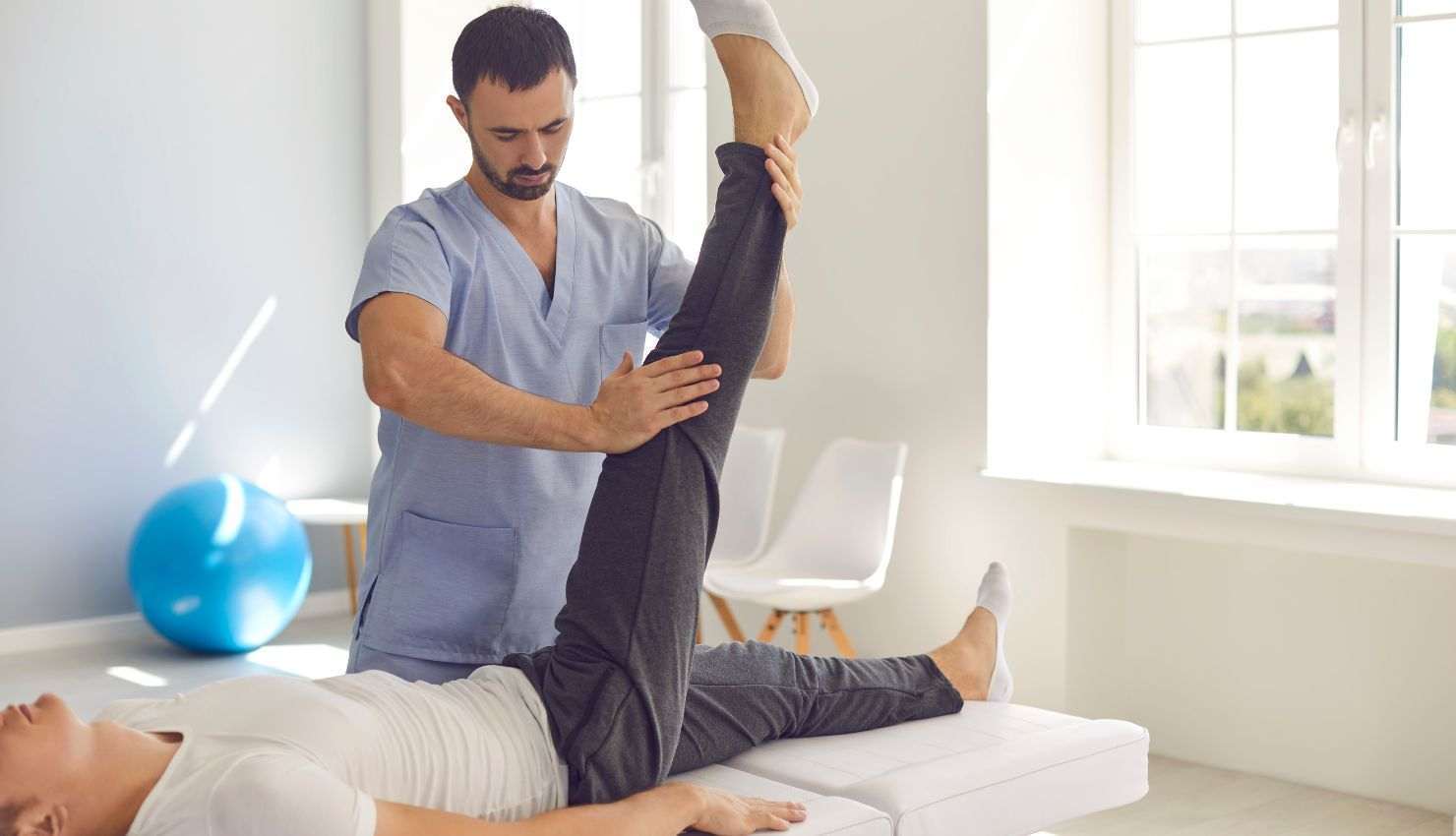
Undergoing surgery is often a crucial step toward improving health, whether its due to injury, chronic conditions, or corrective procedures. However, the surgery itself is just the beginning of the journey to full recovery. Post-surgical rehabilitation plays a vital role in ensuring patients regain their strength, mobility, and quality of life in the long run. At YourFormsUX in Canada, we understand how essential effective post-surgical rehab is to lasting health outcomes, and in this article, well explore why post-surgical rehabilitation should never be overlooked.
What is Post-Surgical Rehabilitation?
Post-surgical rehabilitation refers to the carefully designed therapies and exercises that follow surgery to help patients recover their physical function, reduce pain, and prevent complications. It usually involves a combination of physiotherapy, occupational therapy, and sometimes speech therapy, depending on the type of surgery.
This rehab process focuses on restoring the bodys normal movement patterns and strength while promoting healing. The goal is to help patients return to their daily activities as soon and as safely as possible while minimizing the risk of re-injury or long-term disability.
Why Is Post-Surgical Rehab Important?
Accelerates Healing and Recovery
Surgery causes trauma to the body, not just at the site of the operation but also in surrounding tissues. Post-surgical rehab encourages gentle movement and controlled exercise that stimulate blood flow and help tissues repair faster. This means less swelling, reduced stiffness, and quicker recovery times.
Restores Mobility and Function
Many surgeries, especially those involving joints, muscles, or bones, can lead to temporary or permanent loss of movement if not addressed properly. Without rehab, scar tissue and muscle weakness can limit function and lead to long-term disability. Rehabilitation exercises focus on stretching, strengthening, and regaining coordination to restore full mobility.
Prevents Complications
Complications such as blood clots, muscle atrophy, joint stiffness, and infections are risks after surgery. Post-surgical rehab protocols are designed to minimize these risks by encouraging early movement and monitoring patient progress. For example, physiotherapy helps maintain circulation and prevents blood clots in the legs following orthopedic surgeries.
Reduces Pain and Swelling
Pain and swelling after surgery can be debilitating and hinder progress. Rehab techniques such as manual therapy, gentle mobilization, and therapeutic exercises can significantly reduce these symptoms. This not only improves patient comfort but also promotes a more active and faster recovery.
Improves Long-Term Health Outcomes
The benefits of post-surgical rehabilitation extend beyond the immediate recovery period. Maintaining strength, flexibility, and cardiovascular health after surgery reduces the risk of future injuries or conditions. Patients who engage in structured rehab often report better quality of life, less chronic pain, and greater independence months or even years later.
Key Components of an Effective Post-Surgical Rehab Program
An effective post-surgical rehab program is customized to the patients specific surgery type, overall health, and lifestyle needs. Here are some key components that contribute to successful outcomes:
Initial Assessment: A thorough evaluation of the patients physical status and surgical impact is critical. This helps therapists design a personalized rehab plan.
Pain Management: Controlled pain relief allows patients to participate actively in rehab without discomfort holding them back.
Range of Motion Exercises: Early gentle movements to prevent joint stiffness and maintain flexibility.
Strength Training: Progressive exercises to rebuild muscle strength and endurance.
Functional Training: Focus on activities of daily living, such as walking, climbing stairs, or lifting objects safely.
Patient Education: Teaching patients how to protect the surgical site and maintain healthy habits at home.
Monitoring Progress: Regular check-ins and adjustments to the rehab plan ensure continuous improvement.
How YFS Supports Post-Surgical Rehab in Canada
YourFormsUX (YFS) is committed to supporting patients across Canada with efficient, accessible post-surgical rehab solutions. Whether youve had orthopedic surgery, spinal procedures, or soft tissue repairs, YFSs customized rehabilitation programs help you regain function safely and effectively.
YFSs team of expert physiotherapists and rehab specialists work closely with you and your healthcare providers to ensure your recovery plan aligns perfectly with your surgical needs. Through a blend of hands-on therapy, modern rehab technology, and patient education, YFS helps reduce recovery time and maximize long-term health benefits.
Common Surgeries That Benefit From Post-Surgical Rehab
Knee and Hip Replacement Surgery
Spinal Surgery
Shoulder and Elbow Repairs
Cardiac Surgery
Rotator Cuff Repairs
Arthroscopic Procedures
Fracture Fixations
Each of these surgeries affects the body differently and requires targeted rehabilitation strategies. For instance, rehab after knee replacement will focus heavily on restoring walking ability and joint flexibility, while spinal surgery rehab may emphasize core strengthening and posture correction.
Tips for Maximizing Your Post-Surgical Rehab Success
Commit to Your Rehab Schedule: Consistency is key. Attend all sessions and complete your home exercises.
Communicate Openly: Share any pain, discomfort, or concerns with your rehab therapist so adjustments can be made.
Maintain a Healthy Diet: Nutrition supports tissue healing and energy levels.
Stay Hydrated: Proper hydration aids circulation and recovery.
Avoid Smoking and Alcohol: These can delay healing and increase complications.
Be Patient: Recovery takes time. Celebrate small progress milestones and stay positive.
Final Thoughts
Post-surgical rehabilitation is not just an optional extra its a fundamental part of a successful surgical outcome and long-term health. Whether youre recovering from joint replacement, spinal surgery, or any other procedure, engaging fully in rehab ensures you regain strength, mobility, and independence.
At YourFormsUX in Canada, we are passionate about guiding patients through this vital phase of recovery with expert care and tailored rehabilitation programs. Remember, your health journey doesnt end in the operating room it continues with dedicated post-surgical rehab that safeguards your long-term wellbeing.