The Role of Post-Surgical Rehab in Healing After Shoulder and Elbow Surgery explores targeted strategies for recovery. Discover new paths to mobility, healing, and personalized care.

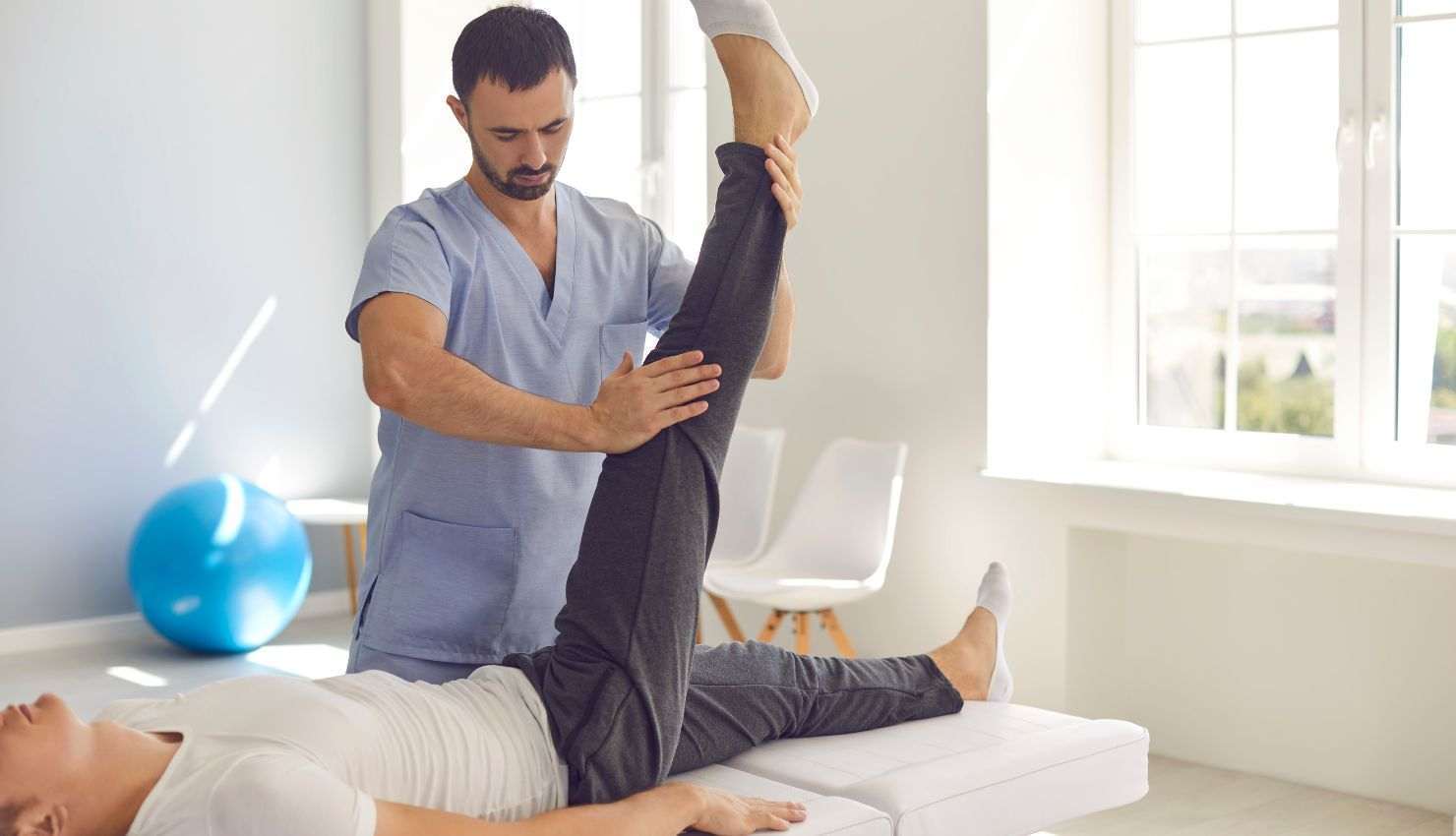
Shoulder and elbow surgeries, whether due to injury, arthritis, or other conditions, are complex procedures that require careful recovery to restore function. The joints in your upper limbs are involved in nearly every daily task, from lifting and reaching to typing and driving. Because of their importance and complexity, post-surgical rehabilitation plays a vital role in the healing process after shoulder and elbow surgery. If youre recovering in Canada, understanding this rehab process can help you navigate your recovery with confidence and success.
Why Rehab is Essential After Shoulder and Elbow Surgery
Both the shoulder and elbow joints are highly mobile but also prone to stiffness and weakness after surgery. Without proper rehabilitation:
Joint stiffness can set in quickly, limiting your range of motion.
Muscles can weaken or atrophy due to disuse.
Scar tissue formation may restrict movement.
Compensatory movements can lead to pain elsewhere in the body.
Post-surgical rehab is designed to combat these issues by guiding gradual, safe movement and strengthening.
The Shoulder and Elbow: Unique Challenges in Recovery
The shoulder is the most mobile joint in the body, supported by a complex system of muscles, tendons, and ligaments. The elbow, while less mobile, is essential for bending, extending, and rotating the forearm. Recovery after surgery on these joints requires balancing protection of the healing tissues with timely mobilization to avoid stiffness.
Phases of Post-Surgical Rehab for Shoulder and Elbow Surgery
1. Protection Phase
Immediately after surgery, the primary goal is protecting the repaired tissues. This usually involves:
Immobilization using slings or braces to prevent stress on the joint.
Pain and inflammation control with medications and ice therapy.
Gentle passive range-of-motion exercises guided by your therapist to maintain joint flexibility without straining the surgical repair.
2. Mobilization Phase
Once the initial healing phase passes, rehab shifts towards improving joint mobility and beginning muscle activation:
Active-assisted exercises where you use your healthy arm or therapist assistance to move the operated joint.
Gradual increase in range of motion exercises to regain flexibility.
Beginning gentle strengthening exercises targeting the rotator cuff and elbow flexors/extensors.
3. Strengthening Phase
As healing progresses, more intense strengthening exercises are introduced to rebuild muscle mass and improve joint stability:
Resistance training using bands, light weights, or body weight.
Functional exercises that mimic daily activities or sports movements.
Balance and coordination drills to improve neuromuscular control.
4. Return to Function Phase
The final phase focuses on returning to full activity, whether thats work, sports, or daily living:
Advanced strengthening and endurance exercises.
Movement retraining to ensure proper joint mechanics and prevent re-injury.
Education on joint protection and long-term maintenance.
Benefits of Post-Surgical Rehab for Shoulder and Elbow Surgery
Restores Range of Motion: Prevents long-term stiffness and frozen joint conditions.
Builds Strength: Supports the repaired tissues and improves function.
Reduces Pain: Movement stimulates circulation and decreases inflammation.
Improves Joint Stability: Strong muscles protect against future injuries.
Enhances Coordination: Restores fine motor control for complex tasks.
Prevents Complications: Minimizes scar tissue and joint contractures.
Common Rehab Techniques for Shoulder and Elbow Recovery
Manual Therapy: Mobilization and soft tissue techniques to improve flexibility.
Therapeutic Exercises: Targeted routines focusing on strength, range of motion, and endurance.
Neuromuscular Re-education: Exercises to retrain muscle activation patterns.
Modalities: Ice, heat, ultrasound, or electrical stimulation to manage pain and inflammation.
Tips to Optimize Your Recovery
Follow your therapy plan closely: Consistency leads to better outcomes.
Be patient: Healing takes time, and progress may be gradual.
Communicate with your therapist: Report any unusual pain or concerns.
Incorporate ergonomic adjustments: Adapt your environment to support healing.
Stay positive and motivated: Rehab can be challenging, but progress is achievable.
Choosing a Rehab Provider in Canada for Shoulder and Elbow Surgery
Look for physiotherapists or rehab clinics with specific experience in upper limb post-surgical rehab. Personalized programs, multidisciplinary approaches, and patient education are key to effective recovery.
Final Thoughts
Healing after shoulder and elbow surgery doesnt stop once the surgery endsits only the beginning. Post-surgical rehabilitation provides the essential guidance and support needed to restore motion, strength, and function. Whether your surgery was for a rotator cuff repair, fracture fixation, or joint replacement, embracing a comprehensive rehab plan will help you regain your independence and return to the activities you love with confidence.