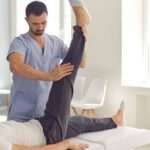
How Physiotherapy Enhances Recovery During Post-Surgical Rehabilitation explores targeted strategies for recovery. Discover new paths to mobility, healing, and personalized care.


Recovering from surgery can be a challenging journey, but physiotherapy is often the cornerstone that transforms this process from a struggle into a success story. Post-surgical rehabilitation is about more than just healing incisionsits about restoring strength, mobility, and function to help you return to your daily life with confidence. In Canada, physiotherapy plays a vital role in guiding patients through every stage of recovery, offering expert care tailored to individual needs.
What is Physiotherapy in Post-Surgical Rehab?
Physiotherapy is a healthcare profession focused on helping patients recover movement and manage pain through physical methods such as exercise, manual therapy, and education. After surgery, physiotherapists work closely with patients to design personalized rehab programs that address the unique challenges posed by the surgery and the patients overall health.
Why Physiotherapy is Essential After Surgery
Surgery often leads to:
Muscle weakness due to immobilization
Joint stiffness from inactivity
Pain and swelling that limit movement
Altered movement patterns due to compensation
Physiotherapy addresses these issues head-on by promoting safe movement and gradual strengthening, preventing complications and accelerating healing.
Key Ways Physiotherapy Enhances Post-Surgical Recovery
1. Pain Management
Physiotherapists use a variety of techniques to manage pain, which is crucial to allowing patients to participate actively in rehab. These include:
Ice and heat therapy
Electrical stimulation
Manual therapy to release muscle tension
Guided movement to reduce stiffness and discomfort
Effective pain control improves tolerance to exercise and speeds up recovery.
2. Restoring Range of Motion
After surgery, joints and muscles can become stiff, limiting your ability to move freely. Physiotherapy involves specific exercises and manual techniques to:
Gently stretch tight tissues
Mobilize joints to prevent contractures
Gradually increase flexibility for daily activities
Restoring range of motion early reduces long-term disability.
3. Rebuilding Strength and Endurance
Muscle atrophy is a common problem after surgery. Physiotherapists create customized strengthening programs that:
Target muscles affected by surgery or immobilization
Use progressive resistance to rebuild muscle mass
Improve cardiovascular endurance to support overall recovery
Stronger muscles protect joints and help you regain independence.
4. Improving Balance and Coordination
Many surgeries, especially those involving the lower limbs or spine, affect your ability to balance and coordinate movements. Physiotherapy includes balance training and proprioceptive exercises to:
Enhance body awareness
Reduce the risk of falls
Improve gait and movement efficiency
5. Educating Patients for Long-Term Success
Physiotherapists dont just guide exercisesthey educate patients on:
Proper body mechanics to avoid injury
Strategies for pain management at home
Lifestyle modifications to support healing
When and how to safely return to work or sports
This knowledge empowers patients to take control of their recovery.
What to Expect During Physiotherapy Sessions
Physiotherapy sessions typically include:
Assessment of your current mobility, strength, and pain levels
Hands-on manual therapy for joints and soft tissues
Supervised exercise routines designed specifically for your surgery and goals
Progress tracking to adjust the program as you improve
Therapists work closely with your surgeon and healthcare team to ensure coordinated care.
How to Maximize Your Physiotherapy Experience
Commit to regular sessions: Consistency is key for progress.
Perform prescribed exercises at home: Daily practice accelerates recovery.
Communicate openly: Share any pain, difficulty, or concerns with your therapist.
Follow safety guidelines: Avoid overexertion or activities not cleared by your team.
Stay motivated: Celebrate milestones and stay focused on your goals.
Finding Quality Physiotherapy in Canada
Canada offers a wide range of physiotherapy services, including specialized post-surgical rehab clinics. When choosing a provider, consider:
Experience with your specific surgery type
Personalized care plans
Access to multidisciplinary teams if needed
Positive patient feedback and outcomes
Final Thoughts
Physiotherapy is an indispensable part of post-surgical rehabilitation that transforms recovery from a passive waiting period into an active healing process. Through expert guidance, tailored exercises, and patient education, physiotherapy helps you regain mobility, reduce pain, and rebuild strength. Whether youre recovering from spine surgery, joint replacement, or any other surgical procedure, embracing physiotherapy will significantly enhance your chances of a full, functional recovery.