How Post-Surgical Rehab Supports Joint Health and Function Recovery explores targeted strategies for recovery. Discover new paths to mobility, healing, and personalized care.

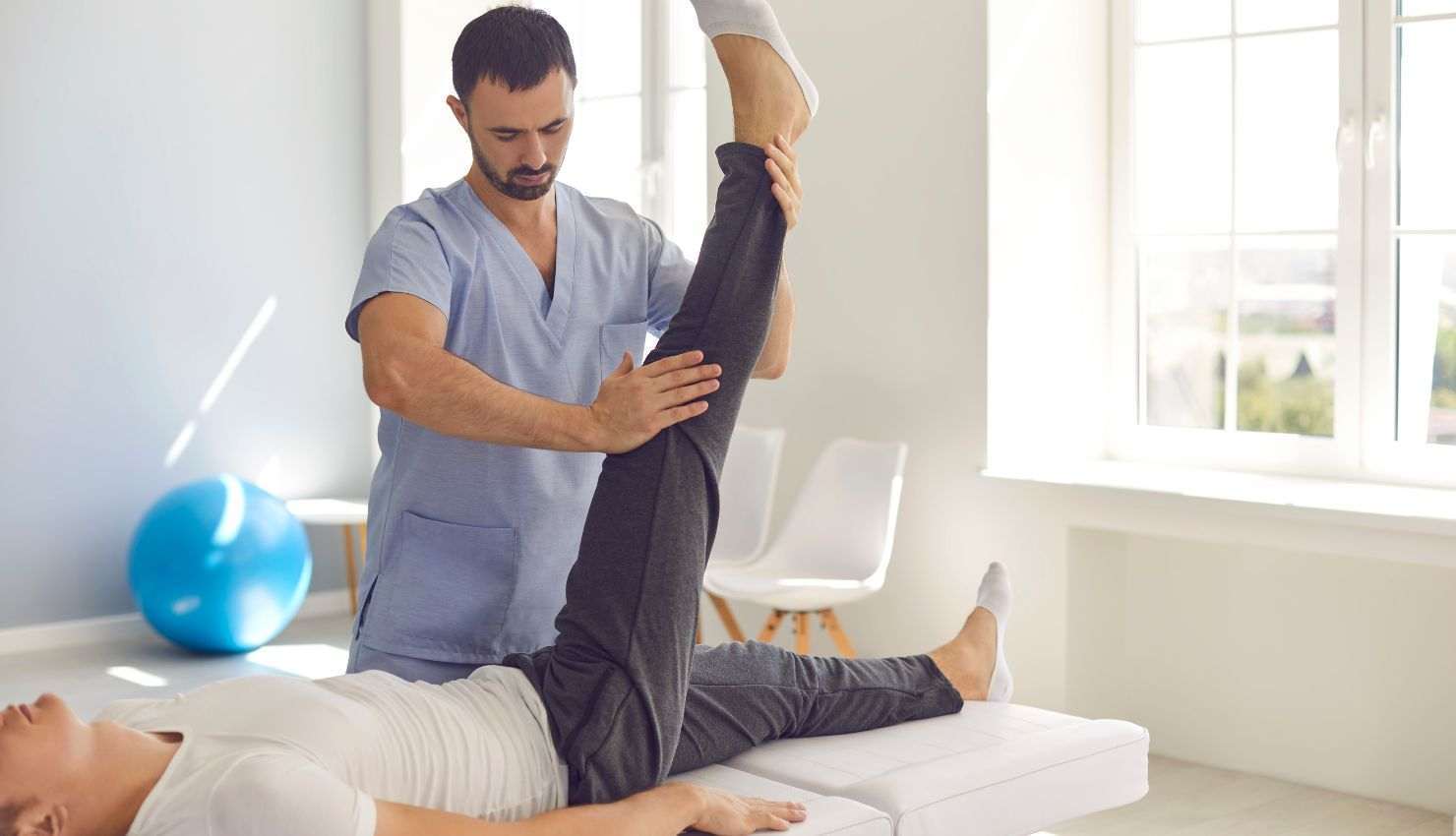
Surgery involving jointswhether its a replacement, repair, or reconstructionmarks a critical point in a patients journey toward healing and restoring function. But the surgery itself is just the first step. The real transformation happens during post-surgical rehabilitation, where targeted therapies and exercises help joints heal properly, regain their strength, and return to optimal function. For those recovering in Canada, understanding how post-surgical rehab supports joint health can empower you to take full advantage of this vital phase of recovery.
Why Joint Health is a Priority After Surgery
Joints are complex structures involving bones, cartilage, ligaments, tendons, and muscles. Surgery can alter the delicate balance of these components, sometimes leading to:
Stiffness and reduced range of motion
Muscle weakness around the joint
Pain or inflammation
Altered joint mechanics that affect movement and load distribution
Post-surgical rehab addresses these challenges by promoting healing in a controlled, progressive manner.
The Role of Post-Surgical Rehab in Joint Healing
Rehabilitation after joint surgery focuses on several key goals:
1. Protecting the Surgical Site While Promoting Movement
Immediately after surgery, protecting the joint from excessive stress is crucial to allow tissues to heal. However, immobilization can cause stiffness and muscle loss. Rehab finds the balance by:
Using braces or supports as needed
Introducing gentle passive and active range-of-motion exercises
Monitoring swelling and pain to adjust activity levels
2. Restoring Range of Motion and Flexibility
Maintaining and improving joint flexibility helps prevent long-term stiffness and frozen joint conditions. Techniques include:
Manual therapy to mobilize the joint capsule and soft tissues
Stretching exercises targeting muscles and tendons around the joint
Progressive movement patterns that mimic daily activities
3. Rebuilding Muscle Strength and Stability
Strong muscles support the joint, reduce load on repaired tissues, and improve function. Rehab programs:
Target specific muscle groups based on the joint involved
Use resistance training with bands, weights, or bodyweight
Incorporate functional exercises like squats or lifts to simulate real-world movements
4. Enhancing Neuromuscular Control and Coordination
Joint surgery can disrupt the communication between muscles and the nervous system. Rehabilitation retrains these connections by:
Using proprioceptive exercises that improve body awareness
Practicing balance and coordination drills
Implementing dynamic activities to prepare for complex movements
Benefits of Post-Surgical Rehab for Joint Health
Prevents Chronic Stiffness and Pain: Early movement and therapy minimize scar tissue and joint contractures.
Supports Long-Term Joint Function: Strength and flexibility training enhance joint durability and performance.
Reduces Risk of Re-Injury: Improved stability and neuromuscular control protect repaired tissues.
Improves Overall Mobility: Enhanced joint function contributes to smoother, pain-free movement.
Boosts Quality of Life: Patients regain independence and return to favorite activities.
Common Joints That Benefit from Post-Surgical Rehab
Knee: ACL reconstruction, meniscus repair, total knee replacement
Hip: Hip replacement, fracture fixation
Shoulder: Rotator cuff repair, labrum repair
Elbow: Tendon repairs, fracture fixation
Ankle and Foot: Ligament repairs, fracture surgeries
Tips for Successful Joint Rehab
Follow your personalized rehab plan carefully to avoid setbacks
Communicate openly with your rehab team about pain or difficulties
Stay consistent with home exercises for faster gains
Protect the joint during healing but avoid unnecessary immobilization
Maintain a healthy weight and nutrition to support joint health
Choosing a Rehab Provider in Canada
Look for physiotherapists and rehab clinics with expertise in orthopedic post-surgical care. A multidisciplinary team approach, including occupational therapists and orthopedic specialists, can provide comprehensive support for joint recovery.
Final Thoughts
Post-surgical rehabilitation is an essential step in restoring joint health and function after surgery. By carefully balancing protection with progressive movement, strengthening, and neuromuscular training, rehab programs help joints heal well and perform at their best. Whether youre recovering from knee replacement, shoulder repair, or any joint surgery, investing in a dedicated rehab plan will optimize your recovery and help you get back to living life to the fullest.