How Post-Surgical Rehabilitation Helps You Return to Normal Activities explores targeted strategies for recovery. Discover new paths to mobility, healing, and personalized care.

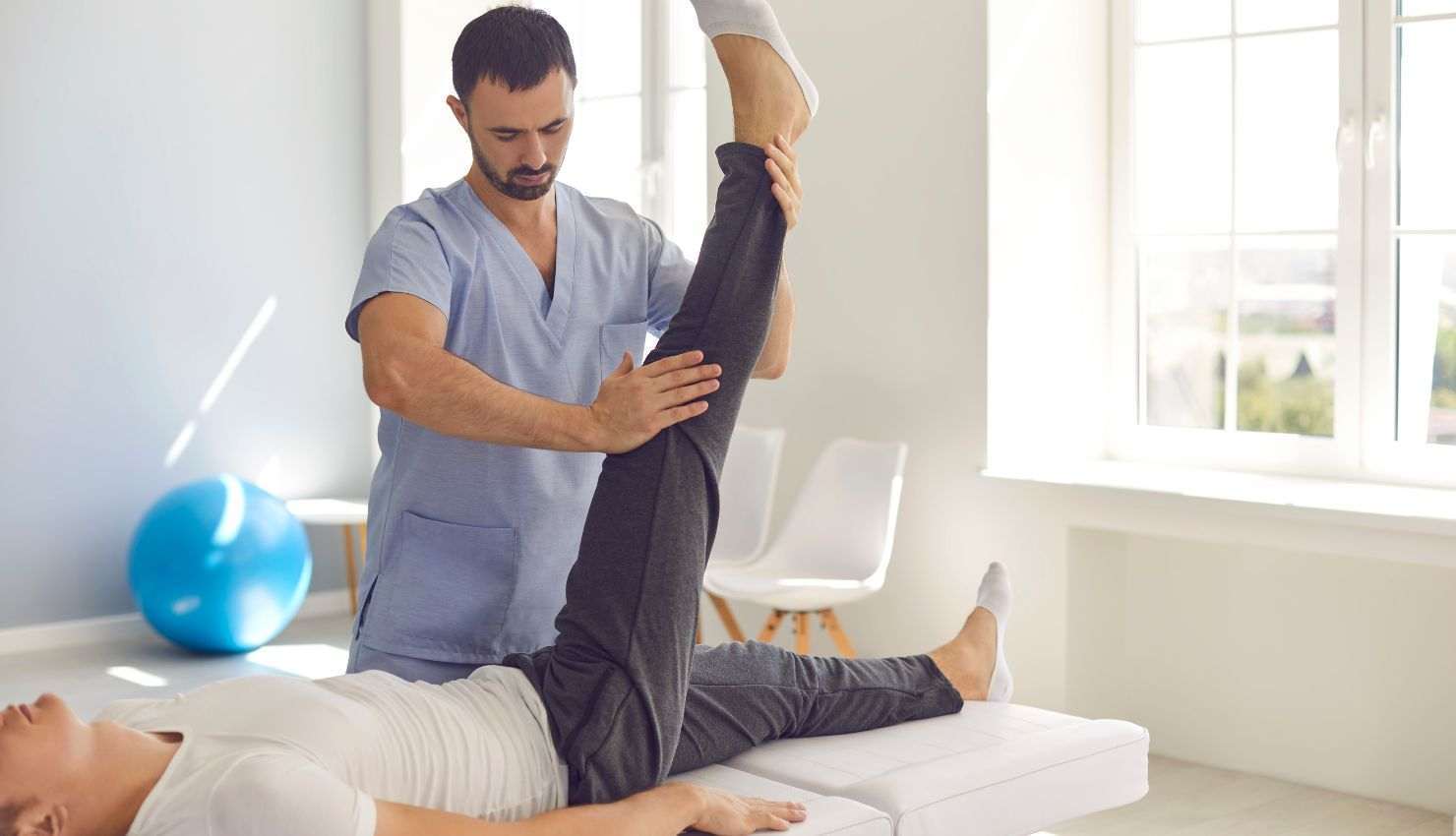
Recovering from surgery is more than just healing the surgical siteits about reclaiming your life and getting back to the activities you love. Whether its walking your dog, working at your job, or enjoying recreational sports, post-surgical rehabilitation plays a pivotal role in helping you return to your normal routine safely and efficiently.
Why Post-Surgical Rehab is Essential for Activity Recovery
After surgery, your body goes through several changes. Muscles weaken, joints may become stiff, and your overall endurance can drop. Without guided rehabilitation, these changes can delay recovery or even lead to long-term limitations.
Post-surgical rehabilitation focuses on restoring strength, flexibility, and function, which are essential to safely resuming daily activities. For patients in Canada, where the pace of life and active outdoor culture are high, getting back to full function isnt just a goalits a necessity.
How Rehab Targets Functional Recovery
The goal of post-surgical rehab isnt just to heal but to prepare your body to perform again. Heres how it helps:
Rebuild strength: Surgery often means muscle atrophy due to immobilization or disuse. Rehab strengthens muscles to support joints and movement.
Restore range of motion: Surgery and immobilization can lead to stiffness. Rehab exercises help regain flexibility.
Enhance endurance: Gradual cardiovascular and muscular conditioning improves stamina for daily tasks.
Improve coordination and balance: These are critical for safe movement and preventing falls.
Reduce pain and swelling: Therapies such as manual treatment, ice, and electrical stimulation alleviate discomfort and inflammation.
Personalized Rehab Plans for Your Lifestyle
Not all activities are created equal. Your rehab should reflect your lifestyle needs. For example:
If youre a desk worker, rehab may focus on restoring basic mobility and managing pain.
For athletes or active individuals, rehab emphasizes strength, agility, and sport-specific drills.
For older adults, balance and fall prevention take priority.
In Canada, with its diverse population and climates, a tailored approach ensures your rehab addresses your unique environment and activities.
What to Expect During Post-Surgical Rehab
Typically, rehabilitation progresses through stages:
Early phase: Focus on pain control, swelling reduction, and gentle movement.
Intermediate phase: Gradual introduction of strengthening exercises and increased activity.
Advanced phase: Functional training tailored to your specific activities, like walking on uneven surfaces or climbing stairs.
Return to activity: Safely resuming work, sports, or hobbies with guidance from your rehab team.
Your Role in Successful Rehab
Recovery isnt passiveit requires your active participation. Heres how you can support your rehab journey:
Commit to therapy sessions: Consistency maximizes outcomes.
Practice home exercises: Supplementing professional therapy accelerates progress.
Communicate openly: Report any pain, swelling, or challenges.
Stay motivated: Set realistic goals and celebrate milestones.
Maintain a healthy lifestyle: Nutrition, hydration, and sleep support healing.
The Outcome: Back to What You Love
The ultimate reward of post-surgical rehab is regaining your independence and enjoying your life without limitations. Whether its walking in your neighborhood, gardening, or playing with your kids, rehab helps you achieve a full, active life again.
For Canadians facing surgery, effective post-surgical rehab is the bridge between the operating room and your daily worldensuring your recovery is not just successful, but sustainable.