Post-Surgical Rehab for Ligament Injuries explores targeted strategies for recovery. Discover new paths to mobility, healing, and personalized care.

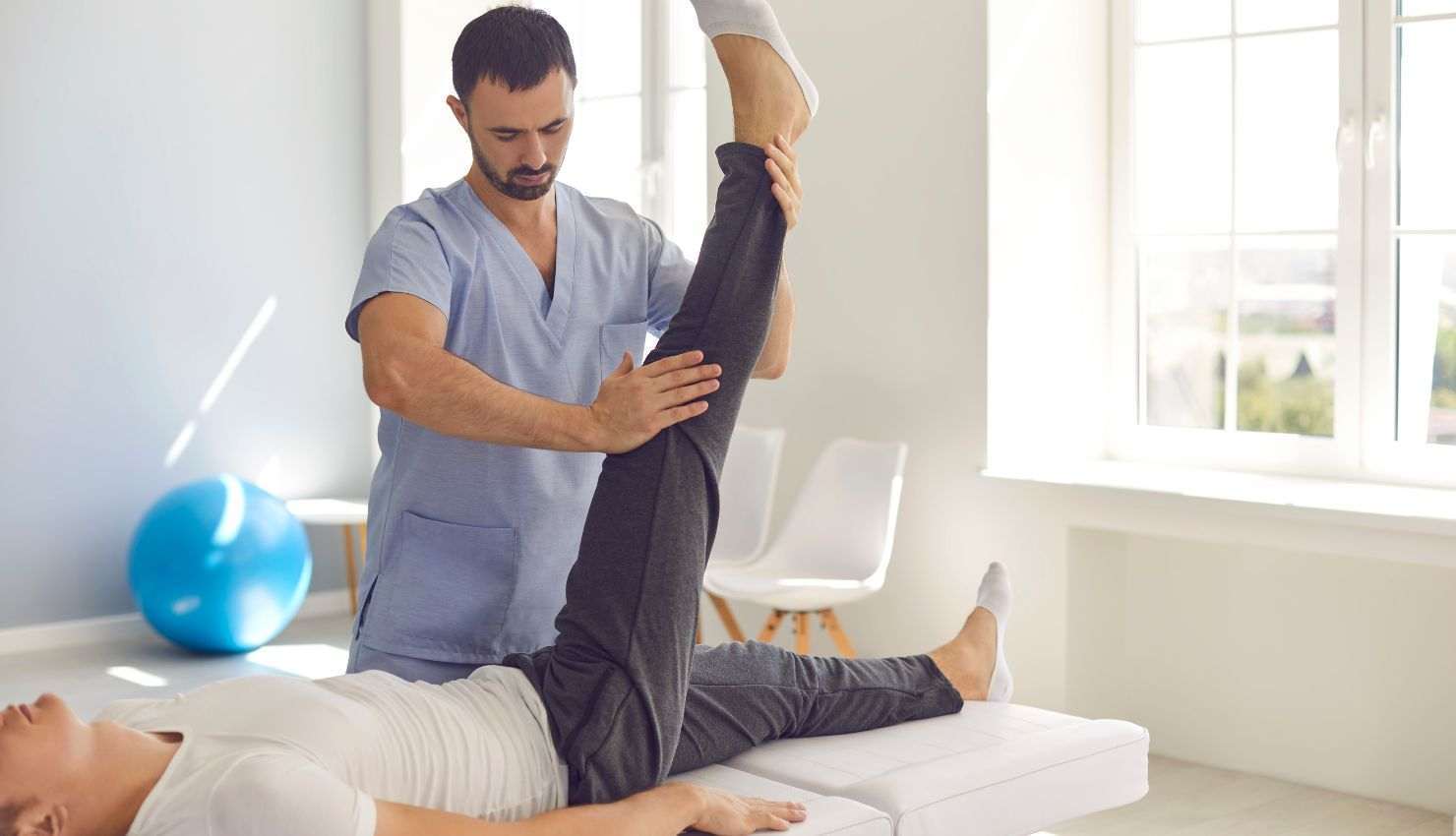
Ligament injurieswhether from sports, accidents, or surgerycan significantly impact joint stability and function. When surgery is needed to repair a torn or damaged ligament, the real work of recovery begins after the operation. Post-surgical rehabilitation is a critical phase that helps your body heal properly, regain strength, and restore joint stability.
Understanding Ligament Injuries and Surgery
Ligaments are tough bands of connective tissue that connect bones and provide joint stability. When a ligament is torn, such as in an ACL (anterior cruciate ligament) injury, surgery often involves reconstructing or repairing the damaged tissue.
However, surgery alone doesnt restore full function. Scar tissue formation, muscle weakness, and joint stiffness are common challenges after ligament surgery. This is why targeted rehab is essential to guide the healing process and restore your joints full range of motion and strength.
Goals of Post-Surgical Rehab for Ligament Injuries
The rehab program for ligament surgery typically aims to:
Protect the healing ligament: Avoid movements or stresses that could damage the repair.
Reduce pain and swelling: Use controlled exercises and therapies to manage inflammation.
Restore joint mobility: Prevent stiffness through range-of-motion exercises.
Strengthen surrounding muscles: Support the joint and improve stability.
Improve proprioception and balance: Re-train your bodys awareness to prevent re-injury.
Gradually return to normal activities and sports
Key Techniques in Ligament Rehab
Immobilization and Early Protection:
Initially, your joint may be immobilized or supported with braces to protect the repair while gentle movements are introduced.
Range of Motion Exercises:
Early controlled movements help prevent stiffness and promote healthy scar tissue alignment without overloading the ligament.
Strengthening Exercises:
Once healing allows, strengthening exercises target muscles around the jointlike the quadriceps and hamstrings for knee ligament repairsto provide stability.
Neuromuscular Training:
Proprioception exercisessuch as balance training on unstable surfaceshelp retrain your joint position sense, reducing the risk of future injury.
Functional and Sport-Specific Training:
As you progress, rehab focuses on movements specific to your daily activities or sports, preparing you for a safe return to full function.
Importance of a Personalized Rehab Plan
Every ligament injury and surgery is unique. Factors such as the type of ligament repaired, your age, activity level, and overall health influence your rehab plan. For example, an athlete will have a different recovery timeline and rehab goals than someone with a more sedentary lifestyle.
In Canada, where outdoor activities and sports play a significant role in many peoples lives, personalized rehab helps you return to your preferred lifestyle safely.
Tips for Successful Rehab
Follow weight-bearing restrictions: Avoid putting too much stress on your joint too soon.
Attend all rehab sessions: Consistency speeds recovery.
Communicate with your rehab team: Report any unusual pain or swelling.
Be patient: Ligament healing takes time; rushing can cause setbacks.
Maintain good nutrition: Protein and vitamins support tissue repair.
The Outcome: Regaining Stability and Confidence
With effective post-surgical rehabilitation, most patients regain excellent joint stability, strength, and mobility. This allows you to return to your daily activities, work, and even sports with confidence.
For Canadians facing ligament surgery, investing time and effort in post-surgical rehab is crucial to restoring your joints function and preventing future injuries.