Post-Surgical Rehab for Knee Pain explores targeted strategies for recovery. Discover new paths to mobility, healing, and personalized care.

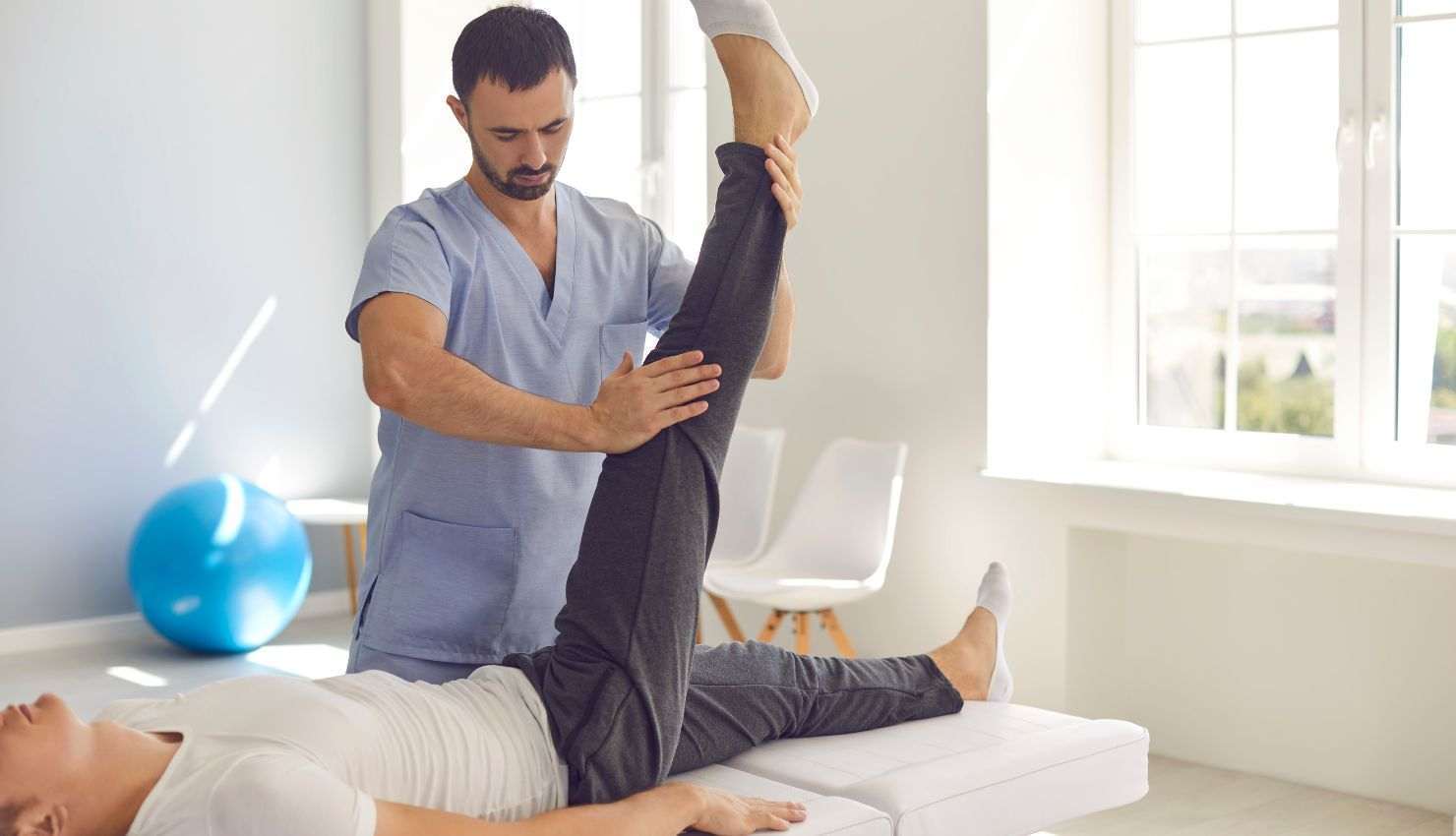
Knee surgery, whether its a repair, replacement, or arthroscopic procedure, often marks the beginning of a challenging but necessary journey toward pain relief and improved function. However, surgery alone is not enough. Post-surgical rehabilitation, especially physiotherapy, is critical in helping you recover from knee pain and regain strength, mobility, and confidence in your knee joint.
Understanding Knee Pain After Surgery
Post-operative knee pain is common due to tissue trauma, inflammation, and changes in joint mechanics. Without proper rehab, this pain can persist, and your knee may become stiff, weak, or unstable.
Physiotherapy helps manage pain and addresses the underlying causes by restoring proper movement and muscle balance.
Goals of Post-Surgical Rehab for Knee Pain
The primary goals of rehab after knee surgery include:
Reducing pain and swelling
Restoring range of motion (flexion and extension)
Strengthening the muscles around the knee (especially quadriceps and hamstrings)
Improving balance and joint stability
Enhancing overall function to return to daily activities
Early Mobilization and Pain Management
Starting rehab early often within days of surgery is vital. Gentle range of motion exercises help prevent stiffness and scar tissue formation. Modalities such as ice therapy, electrical stimulation, and manual therapy reduce pain and inflammation.
Early weight-bearing activities, as recommended by your surgeon and therapist, promote circulation and healing.
Targeted Strengthening Exercises
Muscle weakness, particularly in the quadriceps, is a common cause of ongoing knee pain and instability. Rehab focuses on strengthening these muscles through progressive exercises, beginning with isometric contractions and advancing to resistance training.
Strong muscles help absorb shock and stabilize the knee during movement, reducing pain and improving function.
Improving Joint Mechanics and Alignment
Physiotherapists assess and correct movement patterns that may contribute to knee pain, such as improper walking gait or poor posture. Using manual therapy techniques and corrective exercises, therapists restore proper joint alignment and mechanics.
This approach helps reduce undue stress on the knee joint and surrounding tissues.
Balance and Proprioception Training
Knee surgery can disrupt proprioception your bodys ability to sense joint position. Rehab includes balance exercises to retrain this sense, improving coordination and reducing the risk of falls or reinjury.
Functional Training for Everyday Activities
Rehab progresses to functional training, helping you perform activities like walking stairs, getting in and out of chairs, and eventually returning to sports or recreational activities.
This step ensures your knee is ready to handle the demands of daily life safely.
Long-Term Benefits of Physiotherapy
Consistent rehab improves not only your knees strength and mobility but also your overall fitness and wellbeing. It decreases the risk of future knee problems and contributes to better quality of life.
Working with Skilled Physiotherapists
Choosing experienced physiotherapists who specialize in post-surgical rehab is essential. They tailor exercises to your unique needs, monitor your progress, and adjust your program to maximize recovery.
Conclusion
Post-surgical rehabilitation is key to overcoming knee pain after surgery. Physiotherapy helps reduce pain, restore motion, strengthen muscles, and improve balancegiving you the best chance to regain full knee function. With dedication and expert guidance, you can return to an active lifestyle free from knee pain.