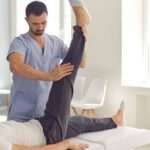
The Role of Physiotherapy in Post-Surgical Rehab for Faster Healing explores targeted strategies for recovery. Discover new paths to mobility, healing, and personalized care.


Surgery is often a critical step toward improved health, but the recovery period that follows is just as important for achieving lasting results. Physiotherapy plays a vital role in post-surgical rehabilitation, helping patients heal faster, regain function, and minimize complications. In this blog, well explore how physiotherapy accelerates healing after surgery and why it should be a key component of your recovery plan.
Why Healing Can Be Slow After Surgery
Surgery causes tissue trauma, inflammation, and often requires a period of limited activity. This can lead to:
Muscle weakness and atrophy
Joint stiffness
Reduced circulation
Pain and swelling
Risk of complications like blood clots or infections
Without appropriate intervention, these factors can delay healing and reduce functional outcomes.
How Physiotherapy Speeds Up Healing
Physiotherapists use a variety of techniques and treatments designed to enhance the bodys natural healing processes:
Promoting Circulation: Techniques such as massage, manual therapy, and guided movement improve blood flow to the surgical site, delivering oxygen and nutrients essential for tissue repair.
Reducing Pain and Swelling: Modalities like ice, heat, ultrasound, and electrical stimulation help control inflammation and discomfort, making it easier for patients to participate in rehab exercises.
Restoring Range of Motion: Gentle, guided movements prevent joint stiffness and promote flexibility, reducing the risk of long-term mobility issues.
Rebuilding Muscle Strength: Early muscle activation prevents atrophy and accelerates functional recovery.
Improving Respiratory Function: For surgeries involving the chest or abdomen, breathing exercises prescribed by physiotherapists help maintain lung capacity and reduce complications.
Educating Patients: Physiotherapists provide guidance on safe movements, posture, and activity modifications to protect healing tissues and prevent re-injury.
Tailored Physiotherapy Programs for Faster Healing
Each patients physiotherapy plan is customized based on their surgery type, age, health status, and recovery goals. Rehab progresses in stages, starting with gentle mobilization and advancing to strengthening and functional activities as healing allows.
The Benefits of Early Physiotherapy Intervention
Research shows that starting physiotherapy soon after surgerywhen medically appropriatecan:
Shorten hospital stays
Reduce pain levels
Improve mobility sooner
Lower the risk of complications like blood clots and pneumonia
Increase the likelihood of returning to daily activities faster
Common Physiotherapy Techniques in Post-Surgical Rehab
Manual Therapy: Hands-on treatments to mobilize joints and soft tissues.
Therapeutic Exercises: Range of motion, strengthening, and balance exercises.
Modalities: Ice, heat, ultrasound, and electrical stimulation to manage pain.
Breathing Exercises: Especially important after thoracic or abdominal surgery.
Patient Tips to Maximize Healing Through Physiotherapy
Attend all scheduled physiotherapy sessions.
Perform prescribed home exercises consistently.
Communicate any pain or difficulties to your therapist.
Follow advice on activity restrictions and progression.
Maintain good nutrition and hydration to support tissue repair.
Final Thoughts
Physiotherapy is an essential ally in post-surgical rehabilitation, promoting faster healing and better functional outcomes. By enhancing circulation, reducing pain, restoring movement, and rebuilding strength, physiotherapy helps you recover safely and efficiently. If youre preparing for or recovering from surgery, partnering with a skilled physiotherapist can make all the difference in how quickly and fully you heal.