The Role of Post-Surgical Rehab in Healing Soft Tissue Injuries explores targeted strategies for recovery. Discover new paths to mobility, healing, and personalized care.

Soft tissue injuries, such as torn ligaments, sprains, muscle strains, and tendon damage, are common reasons people undergo surgery. While surgery is often necessary to repair these injuries, the road to full recovery doesn’t end once the surgical wounds heal. Post-surgical rehabilitation plays a pivotal role in restoring the function and strength of the affected soft tissues, ensuring that you regain your mobility and reduce the risk of future complications. In this blog, well explore how post-surgical rehab supports healing of soft tissue injuries and why its a cornerstone of successful recovery.
Understanding Soft Tissue Injuries and Their Challenges
Soft tissue injuries involve damage to muscles, ligaments, tendons, and sometimes skin. After surgery to fix these injuries, the body begins a complex healing process. Scar tissue forms, inflammation decreases, and new collagen fibers strengthen the tissue. However, without proper movement and targeted rehab, soft tissues can become stiff, weak, or prone to reinjury.
This is where post-surgical rehabilitation steps in to help guide your tissues through healing while preventing stiffness, muscle wasting, and improper healing.
Why Post-Surgical Rehab Is Critical for Soft Tissue Healing
Promotes Proper Tissue Remodeling
After surgery, scar tissue is naturally produced as part of healing. Rehab exercises and therapies encourage this scar tissue to align properly along stress lines, making the repaired tissue stronger and more functional. Without rehab, scar tissue may become rigid and restrictive.
Restores Muscle Strength and Endurance
Soft tissue injuries often cause muscle atrophy because of immobilization or pain. Post-surgical rehab gradually challenges muscles through strength and endurance exercises, allowing them to regain their size and power. Strong muscles provide better support for joints and reduce strain on healing tissues.
Increases Circulation to Promote Healing
Movement and targeted therapies like manual massage and low-level electrical stimulation increase blood flow to the surgical site. Improved circulation delivers oxygen and nutrients critical for tissue repair, helping speed up the healing process.
Reduces Pain and Inflammation
Rehabilitation includes techniques such as gentle stretching, controlled motion exercises, and pain management strategies that reduce swelling and discomfort. This approach not only makes healing more comfortable but also enables patients to participate more fully in recovery activities.
Key Components of Post-Surgical Rehab for Soft Tissue Injuries
Range of Motion Exercises
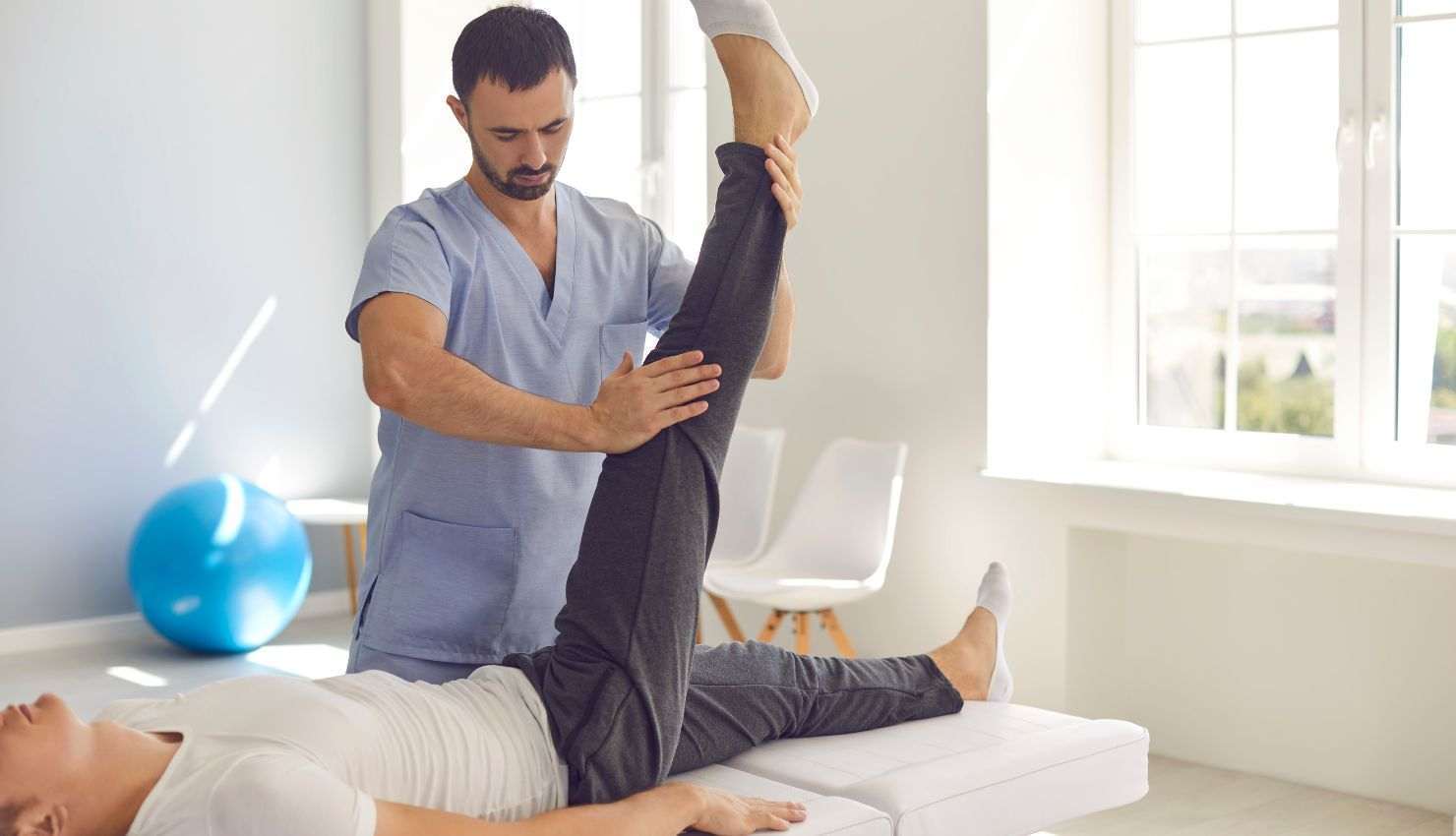
Early on, maintaining and gradually improving joint and soft tissue mobility is crucial. Passive and active range-of-motion exercises prevent stiffness and maintain flexibility.
Strength Training
Once healing progresses, controlled strengthening exercises target the muscles surrounding the injured area. This builds support and reduces the likelihood of reinjury.
Proprioceptive Training
Soft tissue injuries can affect your bodys ability to sense position and movement. Rehab often includes balance and coordination exercises that retrain this important neuromuscular function.
Functional Training
The final stages of rehab focus on restoring the ability to perform daily activities and specific movements related to your lifestyle or sport. This ensures a safe return to normal life or athletic participation.
How Post-Surgical Rehab Supports Long-Term Recovery
Soft tissue injuries can sometimes lead to chronic pain or reduced function if not managed properly. Post-surgical rehab minimizes these risks by:
Encouraging correct movement patterns to prevent abnormal stress on healing tissues.
Reducing the formation of excessive scar tissue that limits flexibility.
Helping patients regain confidence in their injured limb, which is important for full functional recovery.
Rehab Timing and Individualization
The timing and intensity of rehab depend on the type of soft tissue injury and surgical procedure. Some rehab starts immediately with gentle motion, while others require a period of immobilization. Canadian rehab professionals work closely with surgeons to create personalized rehab plans, ensuring safety and effectiveness throughout recovery.
The Importance of Professional Guidance
Attempting to rehabilitate soft tissue injuries without professional supervision can lead to setbacks or incomplete healing. Physiotherapists and rehabilitation specialists assess progress regularly and adjust exercises as needed, providing the right balance of challenge and protection.
Final Thoughts: Healing Soft Tissue Injuries the Smart Way
Post-surgical rehabilitation isnt just a support service its a vital part of the healing process for soft tissue injuries. Through guided exercises, pain management, and gradual progression, rehab helps transform fragile surgical repairs into strong, functional tissues.
If you or someone you care for is recovering from soft tissue surgery, prioritizing a comprehensive post-surgical rehab program can mean the difference between lingering limitations and a full, active life.