How Post-Surgical Rehab Can Speed Up Recovery and Reduce Pain explores targeted strategies for recovery. Discover new paths to mobility, healing, and personalized care.

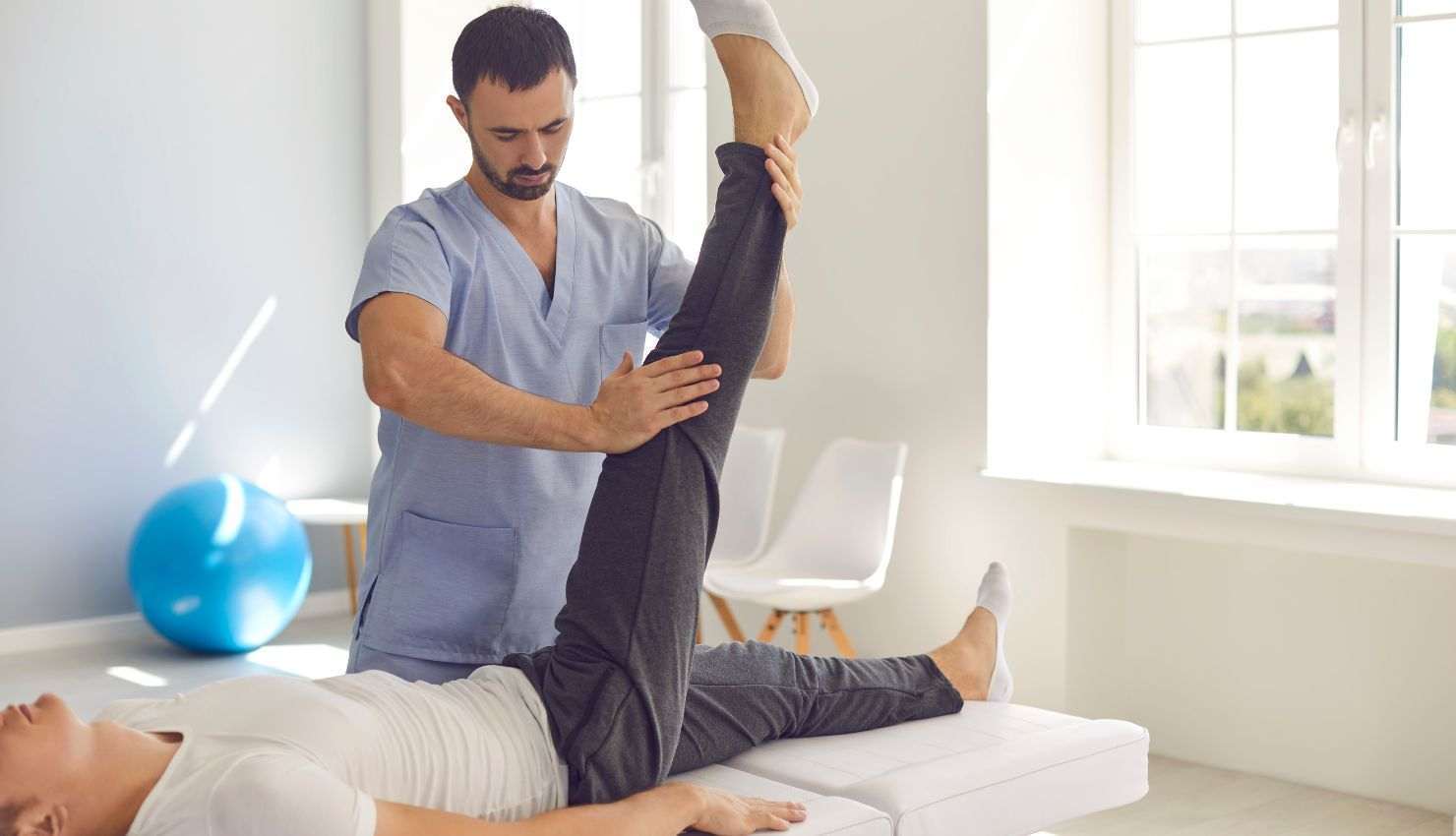
Recovering from surgery is often accompanied by challenges such as pain, swelling, and limited mobility. While the surgery addresses the root cause of the problem, post-surgical rehabilitation plays a crucial role in accelerating recovery and minimizing discomfort. In this blog, well explore how post-surgical rehab can speed up healing, reduce pain, and improve your overall recovery experience.
The Role of Rehab in Recovery
Surgery initiates healing, but the bodys tissuesmuscles, tendons, ligaments, and jointsoften need guided movement and strengthening to return to normal function. Post-surgical rehab is a carefully planned process of exercises, therapies, and education designed to help your body heal more efficiently.
Without rehab, patients may experience prolonged stiffness, muscle weakness, and persistent pain, all of which can delay a return to daily activities.
How Post-Surgical Rehab Speeds Up Healing
Improved Circulation:
Movement and exercise during rehab increase blood flow to the surgical area, bringing oxygen and nutrients essential for tissue repair. Better circulation also helps clear waste products that can cause inflammation and pain.
Controlled Movement Prevents Stiffness:
Early mobilization guided by therapists prevents joint stiffness and muscle shortening. Gentle, progressive movements encourage tissues to heal in the right alignment, promoting flexibility and function.
Muscle Strengthening Supports Healing:
Strengthening muscles around the surgical site provides stability and reduces stress on healing tissues. This foundation helps prevent compensatory injuries and supports long-term recovery.
Neuromuscular Re-education:
Rehab retrains the communication between the brain and muscles, ensuring coordinated, efficient movement patterns that protect the surgical site and enhance function.
Pain Reduction Through Rehab
Pain is a common barrier to recovery. Post-surgical rehab employs several strategies to manage and reduce pain effectively:
Therapeutic Modalities: Techniques like cold therapy, heat application, ultrasound, and electrical stimulation help reduce inflammation and soothe pain.
Manual Therapy: Hands-on treatments like massage and joint mobilization improve tissue mobility and decrease discomfort.
Education and Active Participation: Understanding how movement affects pain empowers patients to engage in exercises confidently and safely, reducing fear-related pain.
Gradual Exposure to Movement: Progressively increasing activity levels helps desensitize nerves and reduce chronic pain sensations.
Psychological Benefits of Post-Surgical Rehab
Pain and slow recovery can lead to frustration, anxiety, or depression. Rehab provides a structured routine, goals, and professional support, all of which improve mental well-being. Feeling actively involved in your recovery boosts motivation and helps overcome pain-related fears.
What to Expect in a Post-Surgical Rehab Program
A typical rehab program includes:
Initial Assessment: Understanding your surgery, pain levels, and physical condition.
Customized Exercise Plan: Tailored to your surgery type and recovery stage.
Regular Monitoring: Adjusting exercises based on progress and feedback.
Education: Teaching proper body mechanics, pain management techniques, and lifestyle modifications.
Tips to Maximize Rehab Benefits
Stay Consistent: Attend all rehab sessions and complete prescribed exercises.
Communicate: Report any changes in pain or function to your therapist.
Follow Pain Management Advice: Use ice, medications, or rest as recommended.
Be Patient: Healing takes time, but consistent rehab accelerates the process.
Maintain a Healthy Lifestyle: Nutrition, hydration, and sleep support tissue repair.
Long-Term Impact of Rehab on Recovery
Engaging fully in post-surgical rehab not only speeds up initial healing but also reduces the risk of chronic pain and disability. Patients often experience better joint function, increased strength, and improved quality of life months or even years after surgery.
Final Thoughts
Post-surgical rehabilitation is a powerful tool that enhances your bodys natural healing process. By improving circulation, restoring movement, strengthening muscles, and managing pain, rehab helps you recover faster and more comfortably.
If youve recently had surgery or are preparing for one, partnering with a qualified rehab professional can make all the difference in your recovery journey, helping you regain function and return to the activities you love.