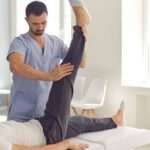
The Importance of Post-Surgical Rehab in Achieving Full Functional Recovery explores targeted strategies for recovery. Discover new paths to mobility, healing, and personalized care.


Surgery often marks a significant milestone in a patients health journeywhether its to repair a damaged joint, fix a broken bone, or address a chronic condition. But what many people dont realize is that surgery itself is just the beginning of the recovery process. Achieving full functional recovery depends heavily on what happens after the operation, and this is where post-surgical rehabilitation (rehab) becomes absolutely essential.
What Does Full Functional Recovery Mean?
Full functional recovery means more than just healing the surgical site. It means regaining the ability to perform your daily activitieswalking, climbing stairs, lifting objects, or even playing sportswithout pain or limitation. It also means restoring strength, flexibility, coordination, and endurance to the operated area and surrounding muscles.
Without proper rehab, patients may experience ongoing pain, reduced mobility, muscle weakness, and joint stiffness, which can significantly impact quality of life.
The Critical Role of Post-Surgical Rehab
Post-surgical rehab is designed to guide your body through the healing process while actively working to rebuild the functions that surgery may have temporarily disrupted. This rehab process is carefully planned to avoid complications such as scar tissue buildup, joint contractures (permanent stiffness), and muscle atrophy.
During rehab, specialized physical therapists help patients safely increase their activity levels. They design personalized exercises that focus on strength, balance, flexibility, and functional movement patterns. This targeted approach ensures the surgical repair is supported by healthy muscle and joint mechanics.
Why Surgery Alone Isnt Enough
Surgery repairs or replaces damaged tissue, but it does not automatically restore the muscles and joints to their pre-injury condition. Surgery can cause trauma to the tissues, swelling, and immobilization during recovery, which all contribute to muscle weakness and joint stiffness.
Without rehab, these secondary effects can delay or even prevent full recovery. For instance, if a knee replacement patient doesnt engage in proper rehab exercises, they may never regain full range of motion or the strength needed to walk comfortably. This can lead to chronic pain and limited function.
Personalized Rehab for Better Outcomes
No two surgeries or patients are exactly alike, and thats why post-surgical rehab is highly individualized. The rehab team considers factors such as the type of surgery, the patients age, fitness level, and any other medical conditions.
A personalized plan might start with gentle range-of-motion exercises and progress to strengthening and balance training. Therapists also educate patients on movement techniques and lifestyle changes to protect the joint and improve overall health.
The Psychological Impact of Rehab
Post-surgical rehab does more than improve physical healthit also supports mental and emotional recovery. Surgery and limited mobility can lead to feelings of frustration, anxiety, and even depression. Engaging in rehab provides patients with a sense of control and progress, boosting confidence and motivation.
Having regular contact with rehab professionals also offers emotional support and guidance during what can be a challenging recovery phase.
Common Elements of Post-Surgical Rehab
Pain and swelling management: Using ice, compression, elevation, and manual therapy to reduce discomfort and inflammation.
Range of motion exercises: To prevent stiffness and maintain joint mobility.
Strength training: Targeting muscles around the surgical site to provide stability and improve function.
Balance and proprioception training: To enhance coordination and prevent falls.
Functional training: Practicing daily activities to ensure a safe return to normal life.
Education: Teaching patients about joint protection, activity modification, and injury prevention.
SEO Keywords to Include
Importance of post-surgical rehab
Full functional recovery after surgery
Post-operative rehabilitation benefits
Personalized rehab programs
Physical therapy after surgery
Rehab for joint surgery recovery
Pain management post-surgery
Strengthening exercises post-surgery
Functional recovery post-operation
The Long-Term Benefits of Committing to Rehab
Post-surgical rehab not only speeds up recovery but also improves long-term outcomes. Patients who complete their rehab programs tend to have better joint function, less chronic pain, and a lower risk of re-injury. They also enjoy greater independence and improved quality of life.
By focusing on strengthening, flexibility, and proper movement, rehab helps patients avoid future complications and maintain a healthy, active lifestyle.
Final Thoughts
When it comes to surgical recovery, the surgery itself is just one piece of the puzzle. Post-surgical rehab plays an indispensable role in helping you regain full function and get back to the activities you love. Embracing rehab early and staying committed throughout your recovery can transform your outcome and overall well-being.
If you or someone you know is preparing for surgery or already recovering, dont underestimate the power of a comprehensive rehab program. Its your key to unlocking a full, functional recovery and returning to a vibrant, active life.