How Physiotherapy Can Improve Your Joint Range of Motion explores targeted strategies for recovery. Discover new paths to mobility, healing, and personalized care.

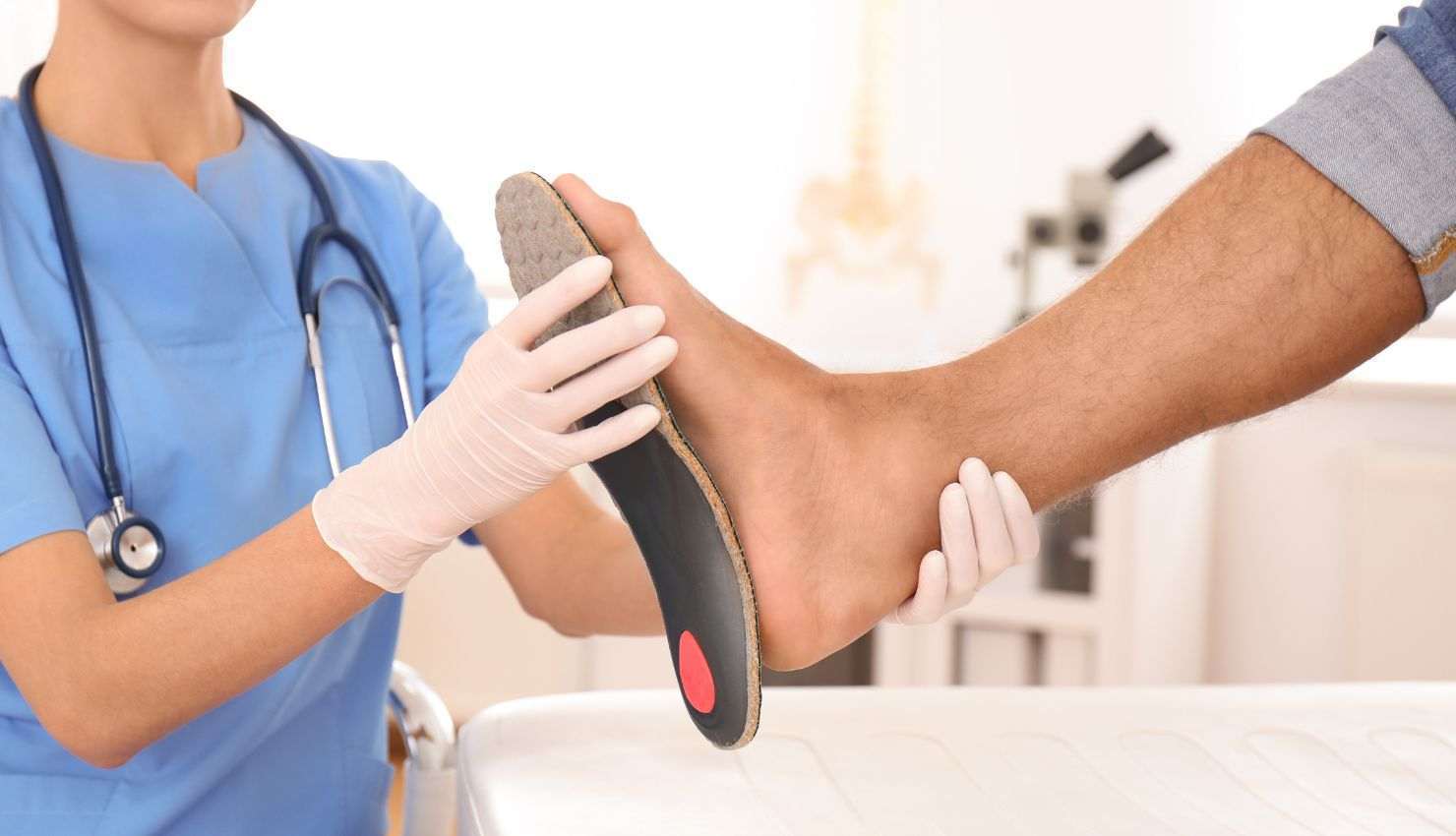
Assessment and Diagnosis
Before starting treatment, a physiotherapist will assess:
Passive and active range of motion in the joint
Surrounding muscle strength and flexibility
Pain or swelling around the joint
Posture and alignment
How the joint moves during functional tasks (e.g., walking, lifting, or reaching)
This helps identify whether the limitation is due to joint stiffness, muscular imbalance, or neurological issuesand informs the most effective treatment plan.
2. Manual Therapy
Manual therapy techniques are hands-on methods used to mobilize joints and surrounding soft tissue. They include:
Joint mobilization Small, passive movements applied to a joint to restore movement and reduce stiffness.
Soft tissue release Targeted pressure applied to muscles, fascia, and ligaments to release tightness and improve flexibility.
Myofascial release A technique that loosens the connective tissue around muscles and joints.
Passive stretching Gentle movements performed by the physiotherapist to increase ROM without active effort from the patient.
These techniques help to break down adhesions, improve circulation, and prepare the joint for active rehabilitation.
3. Therapeutic Exercise and Active Mobility Training
Once mobility has been improved through manual therapy, the next step is strengthening and stabilizing the joint through active movement. Exercises might include:
Dynamic stretching Movement-based stretches that improve flexibility and joint control.
Range-of-motion drills Repetitive movements that gradually increase joint flexibility (e.g., shoulder circles, hip openers).
Resistance training Strengthening exercises to support the joint and prevent future stiffness.
Neuromuscular re-education Exercises that retrain muscles and nerves to move correctly and efficiently.
These exercises are designed to be progressive and specific to each patients needs and functional goals.
4. Education and Movement Coaching
Many joint restrictions stem from lifestyle habits like prolonged sitting, poor lifting techniques, or imbalanced training routines. Physiotherapists offer education and coaching on:
Ergonomics at work and home
Safe and effective movement patterns
Self-mobilization techniques for home use
Stretching routines to maintain mobility
Education empowers patients to stay mobile and prevent stiffness from recurring.
Joint-Specific Approaches
Shoulders
Common issues: Frozen shoulder, rotator cuff tightness
Physiotherapy goals: Restore full overhead movement, reduce impingement, improve scapular control
Hips
Common issues: Tight hip flexors, labral impingement
Physiotherapy goals: Improve rotation and flexion, increase glute strength, align pelvis and spine
Knees
Common issues: Post-surgery stiffness, arthritis, tendon tightness
Physiotherapy goals: Regain bending and straightening, strengthen quads and hamstrings
Ankles
Common issues: Limited dorsiflexion after sprain
Physiotherapy goals: Increase mobility, reduce swelling, improve gait mechanics
Spine
Common issues: Limited thoracic rotation or lumbar extension
Physiotherapy goals: Improve flexibility, support posture, reduce back pain
Benefits of Improved Joint Range of Motion
Pain reduction Less tension on muscles and nerves
Better posture and alignment Especially in the spine and hips
Injury prevention Less stress on compensating joints and tissues
Enhanced performance Especially in sports and functional activities
Greater independence Particularly important for aging populations
How Long Does It Take to Improve ROM?
The time frame depends on:
The severity and cause of the limitation
Your age and activity level
Consistency with exercises and treatments
Some patients notice improvements within a few sessions, while others may require several weeks or months for full restoration.
When to Seek Help from a Physiotherapist
You should consider physiotherapy if you:
Feel stiff or limited in a specific joint
Experience pain during movement
Are recovering from an injury or surgery
Have a neurological condition affecting motion
Want to improve function and performance
Early treatment helps prevent long-term joint dysfunction and the need for more invasive interventions.
Final Thoughts: Regain Motion, Regain Life
Limited joint movement can quietly take over your lifemaking daily tasks harder, increasing your risk of injury, and contributing to chronic pain. But it doesnt have to stay that way. With the help of physiotherapy, you can restore your joint range of motion, improve comfort, and move through life with greater freedom.
Physiotherapy gives you the tools, guidance, and support to understand how your joints work, whats restricting them, and how to overcome those limitationssafely and sustainably.