How Joint Optimization Enhances Posture and Alignment explores targeted strategies for recovery. Discover new paths to mobility, healing, and personalized care.

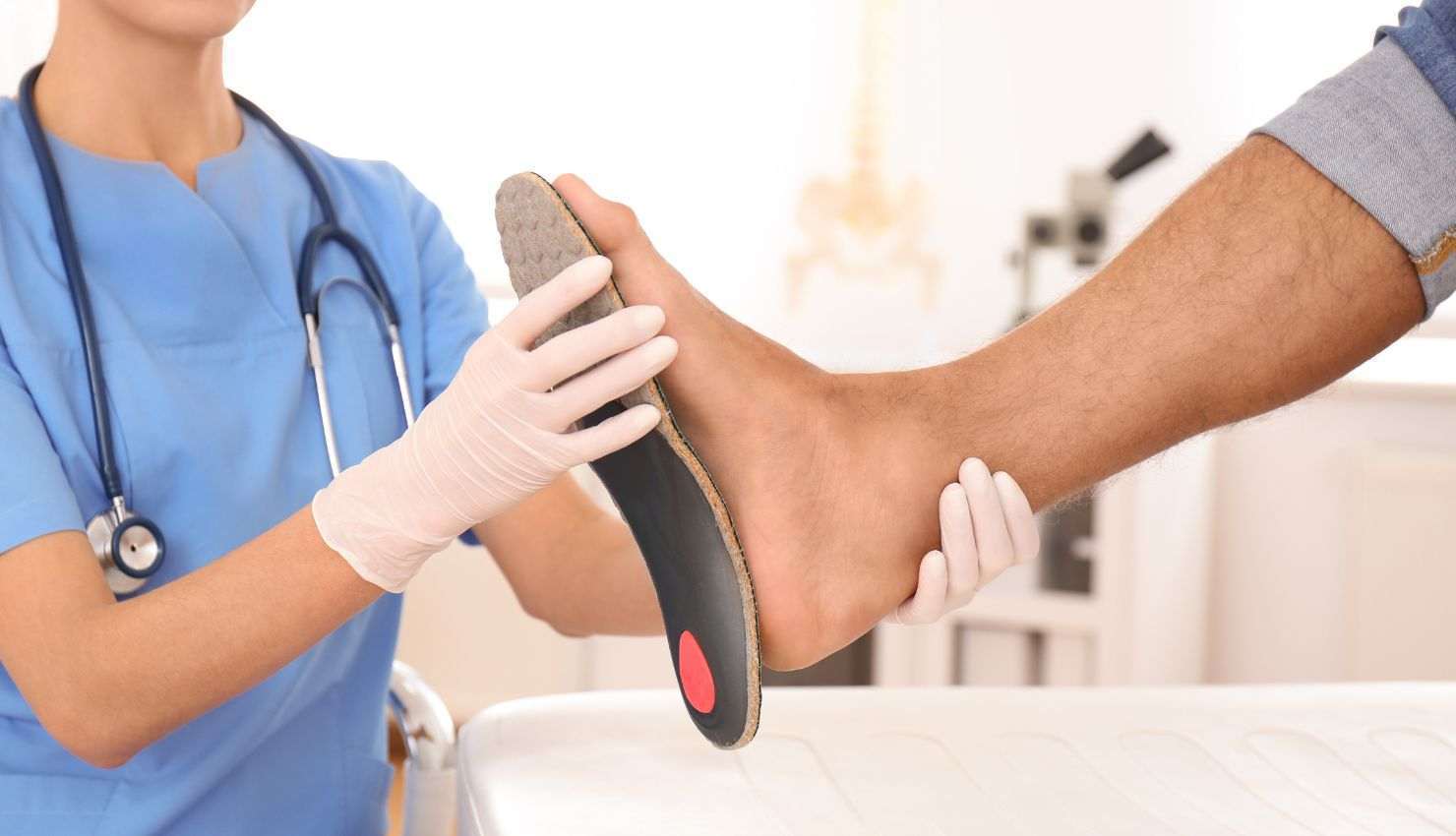
Posture is more than just standing up straightits a reflection of how well your body moves, supports itself, and distributes stress across joints and muscles. When posture is poor, its usually not just a matter of bad habits. More often, it stems from restrictions, imbalances, and misalignments in the joints themselves. Thats why joint optimization is essential for achieving and maintaining proper posture and structural alignment.
Optimizing joint function means ensuring every joint moves through its intended range of motion with control, balance, and support. From your spine and hips to your knees and shoulders, each joint plays a role in how your body aligns and holds itself throughout the day.
In this blog, well explore how joint optimization enhances posture, corrects alignment, and supports long-term musculoskeletal healthespecially when guided by a physiotherapy-based approach.
What Is Posture and Why Does It Matter?
Posture refers to the alignment of your body partsparticularly the spine, shoulders, hips, knees, and feetwhen you’re standing, sitting, or moving. Good posture means your joints are stacked in a neutral, efficient position, minimizing strain on muscles, tendons, and ligaments.
When posture breaks down:
Muscles work harder than necessary
Joints bear uneven pressure
Pain and dysfunction follow
Movement becomes inefficient and fatiguing
Prolonged poor posture contributes to neck pain, back stiffness, joint degeneration, and even reduced lung capacity and digestion issues.
What Is Joint Optimization?
Joint optimization involves assessing and improving how a joint moves and functions within its biomechanical role. It means:
Restoring full, pain-free range of motion
Ensuring proper joint tracking and alignment
Building strength and neuromuscular control
Supporting joint health through balanced movement
When joints are optimized, the body is better aligned, more stable, and more adaptable during both static and dynamic movement.
How Joint Optimization Supports Better Posture
1. Restores Structural Alignment
One of the most common causes of postural misalignment is joint restriction. When a joint loses mobilitydue to injury, overuse, or compensationthe surrounding structures adjust to maintain function. This can lead to imbalances like:
Forward head posture
Rounded shoulders
Anterior pelvic tilt
Knee valgus or foot pronation
Optimizing joint motion allows the skeleton to return to a neutral, efficient position, which improves overall posture.
2. Rebalances Muscle Activation
Joints and muscles work together. If a joint is misaligned, the muscles around it either become overactive and tight or underused and weak.
Through joint optimization, you can:
Re-engage dormant stabilizing muscles
Release overworked postural muscles
Restore symmetry and balance across the body
This is crucial for long-term postural correction.
3. Improves Core Stability and Spinal Control
Optimized spinal joints (especially in the lumbar and thoracic spine) allow your core muscles to engage more effectively.
When spinal mobility is limited:
Core activation decreases
Compensatory patterns develop
Postural endurance diminishes
Joint optimization in the spine supports better breathing, upright alignment, and full-body movement control.
Key Joints Involved in Posture
Spine
Central to postural control
Thoracic spine mobility impacts ribcage expansion and shoulder positioning
Lumbar spine alignment affects pelvic tilt and core stability
Shoulders
Poor scapular positioning causes slumping
Optimizing shoulder joints reduces forward rounding and opens the chest
Hips
Tight or weak hips contribute to anterior/posterior pelvic tilt
Hip optimization improves sitting and standing posture
Ankles and Feet
Restricted dorsiflexion leads to poor balance and forward-leaning posture
Healthy ankle mobility allows proper stance and gait
Physiotherapy and Posture: A Strategic Approach
A physiotherapist evaluates:
Joint mobility in all major regions
Muscle strength and postural endurance
Functional movement patterns
Alignment during common activities (e.g., walking, sitting, reaching)
Treatment plans include:
Joint mobilizations and manipulations
Targeted stretching and strengthening
Core and postural retraining
Ergonomic advice for daily activities
Physiotherapy helps rebuild posture from the ground upnot just by cueing sit up straight, but by enabling the body to support itself naturally.
Common Postural Issues Addressed Through Joint Optimization
Forward Head Posture
Often linked to poor thoracic spine and upper cervical mobility. Joint optimization restores balance between head and shoulders.
Rounded Shoulders
Results from tight chest muscles and poor scapular control. Mobilizing shoulder joints allows proper shoulder blade positioning.
Pelvic Tilt
Anterior tilt often stems from tight hip flexors and weak glutes. Optimizing the hip joint corrects alignment and reduces low back strain.
Knee Valgus
Often caused by hip instability or ankle restriction. Restoring mobility and alignment helps the knees track properly and reduces joint stress.
Daily Postural Improvements Through Joint Work
Joint Warm-Ups in the Morning
Start your day with gentle joint rotations for the neck, spine, hips, and ankles.
Movement Breaks for Desk Jobs
Every 3060 minutes, move your spine, stretch your hips, and walk to avoid static loading.
Active Sitting and Standing
Use core engagement, shoulder retraction, and neutral pelvis positioning during the day.
Pre-Workout Mobility
Include shoulder, hip, and spine mobilization drills before strength or cardio workouts.
Evening Foam Rolling
Releases tension and improves joint tissue health after a long day of sitting or standing.
Benefits of Optimizing Joints for Posture
Reduced neck, back, and joint pain
Improved breathing and core engagement
Better balance and coordination
More efficient movement in workouts and daily tasks
Increased energy due to less muscular fatigue
Enhanced physical appearance and confidence
These benefits dont just apply to athletes or those recovering from injurytheyre essential for anyone who wants to move through life with ease and strength.
Final Thoughts: Alignment Starts With the Joints
Posture isnt just about what you see in the mirrorits about how your body supports itself internally. When joints are stiff, misaligned, or weak, posture suffers. But when you focus on joint optimization, you create the foundation for upright, functional, and pain-free living.
Physiotherapy offers a strategic and sustainable solution to correcting posture, not through quick fixes or braces, but by rebuilding the bodys natural ability to align and stabilize itself. With consistent effort, education, and guidance, better posture becomes not just a goalbut your everyday reality.
Stand taller, move better, and feel strongerone joint at a time.