How Mobility & Joint Optimization Promote Better Posture and Alignment explores targeted strategies for recovery. Discover new paths to mobility, healing, and personalized care.

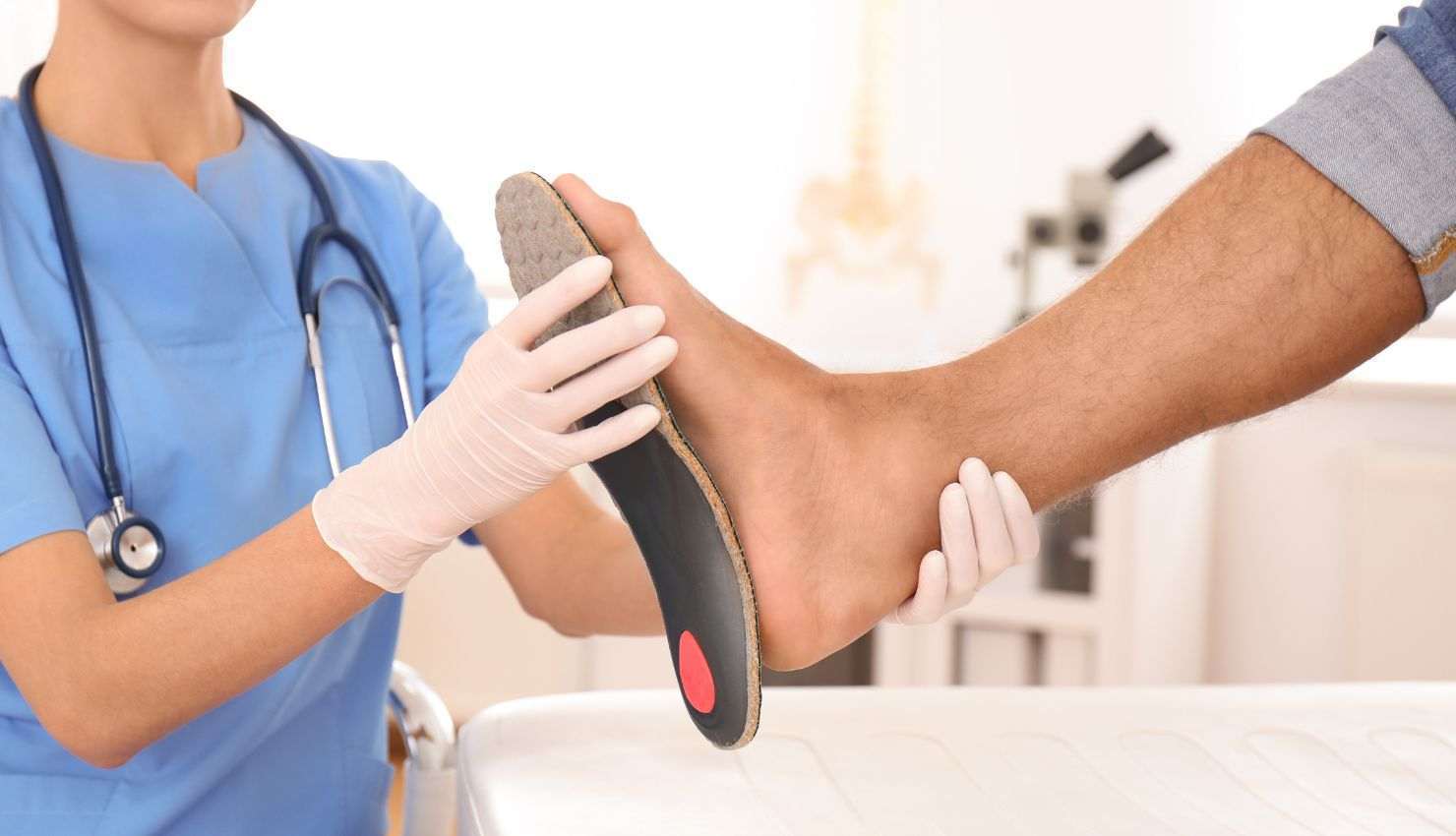
Posture isn’t just about how you lookits about how your body functions. When your posture is aligned and supported by proper joint motion, your entire musculoskeletal system operates more efficiently. But when posture falters, your body compensates in subtle ways that can lead to pain, fatigue, joint dysfunction, and even long-term injury.
Mobility and joint optimization form the foundation of healthy posture and alignment. Without adequate mobility in key joints and proper joint alignment, maintaining good posture becomes impossible, no matter how hard you try to “stand up straight.” This blog explores how these two elementsmobility and joint optimizationwork together to improve posture, support movement, and enhance long-term physical well-being.
Understanding Posture and Alignment
Posture refers to the position in which your body holds itself while standing, sitting, or moving. Good posture aligns your joints and spine in a neutral, balanced way that minimizes strain on your muscles and ligaments.
Proper alignment means your:
Head is balanced over your shoulders
Shoulders are aligned with your hips
Hips stack over your knees and ankles
Spine maintains its natural curves
In this state, your muscles work efficiently, and no area of your body is under unnecessary stress. But when alignment is disrupteddue to sedentary habits, injury, or joint dysfunctionyour posture suffers, and your body begins to compensate.
The Link Between Joint Mobility and Posture
Joint mobility refers to a joints ability to move actively through its full range of motion. Without sufficient mobility, your body cannot achieve or maintain correct posture. For example:
Limited thoracic spine mobility can cause slouching and forward head posture.
Tight hip joints can result in an anterior pelvic tilt and lower back arching.
Restricted ankle dorsiflexion affects standing alignment and gait mechanics.
Poor shoulder mobility can pull the head forward and round the upper back.
If one joint is restricted, another area of the body often compensates. Over time, these patterns become your new normal, resulting in chronic imbalances.
What Is Joint Optimization?
Joint optimization is the process of improving how a joint moves, aligns, and is supported. It includes:
Restoring range of motion
Balancing muscle activation
Correcting postural alignment
Promoting neuromuscular control
Enhancing load distribution
By optimizing joint function, you create an environment where healthy posture is both natural and sustainable.
How Mobility and Joint Optimization Improve Posture
1. Restores Natural Spinal Curves
Healthy posture requires that the spines natural curves (cervical, thoracic, and lumbar) be maintained. Poor mobilityparticularly in the thoracic spine and hipscan exaggerate or flatten these curves, throwing off alignment. Optimizing these joints helps the spine realign to its ideal shape.
2. Reduces Muscle Compensation
When joints are stiff or misaligned, muscles around them work harder to maintain posture. This leads to tightness in areas like the neck, shoulders, and lower back. Improving joint mobility reduces compensatory tension and allows the body to relax into better posture.
3. Promotes Pelvic Stability
The pelvis is central to posture. Restricted hip mobility or instability can cause a tilt or rotation in the pelvis, which pulls the spine and torso out of alignment. Joint optimization of the hips and lower back supports a neutral pelviskey to good posture whether you’re sitting, standing, or moving.
4. Improves Balance Between Mobility and Stability
Good posture isnt just about mobilityits also about control. Joint optimization enhances the balance between mobile and stable joints. For instance, mobile hips and stable knees create better lower-body posture, while mobile shoulders and stable scapulae improve upper-body alignment.
5. Supports Efficient Movement Patterns
Posture isnt staticit adapts to movement. Functional mobility and joint optimization allow your posture to remain stable while transitioning through actions like walking, squatting, or reaching. This prevents collapsing into poor alignment during activity.
Common Postural Problems Related to Poor Mobility
Forward Head Posture Caused by tight chest muscles and limited thoracic extension
Rounded Shoulders Linked to shoulder joint immobility and scapular instability
Anterior Pelvic Tilt From hip flexor tightness and poor glute activation
Knee Hyperextension Related to poor ankle mobility and hamstring dysfunction
Physiotherapists can identify and correct the joint dysfunctions contributing to these postural deviations.
The Role of Physiotherapy
Physiotherapy offers a holistic, evidence-based approach to correcting posture by addressing joint mobility, muscle balance, and movement patterns.
Your physiotherapist may:
Assess your postural alignment and joint mobility
Apply manual therapy to restore joint motion
Use corrective exercises to balance muscles
Teach movement retraining to reinforce good posture
Provide guidance for ergonomics and daily habits
This ensures lasting improvements that are functional and integrated into your lifestyle.
Daily Habits That Support Postural Health
While physiotherapy jumpstarts the process, daily movement patterns and habits play a major role in sustaining posture improvements. Try incorporating these tips:
1. Move Frequently
Prolonged stillness is the enemy of joint health. Get up every 3060 minutes to stretch, walk, or perform mobility drills.
2. Do Mobility Drills
Simple exercises like shoulder rolls, thoracic spine rotations, deep squats, and hip openers help maintain functional joint range.
3. Train Posture-Supporting Muscles
Strengthen the deep core, glutes, and upper back muscles to help maintain upright alignment throughout the day.
4. Check Your Setup
Ensure your workspace supports good posture:
Monitor at eye level
Feet flat on the floor
Hips and knees at 90 degrees
Lower back supported
5. Breathe Properly
Deep diaphragmatic breathing supports spinal alignment and reduces upper body tension.
Signs You Need Mobility and Joint Optimization
If you experience:
Chronic stiffness or tightness in the neck, back, or hips
Poor posture despite your efforts to sit/stand straight
Fatigue after standing or sitting for long periods
Imbalance during walking or exercising
Pain from sedentary behavior
then its time to consider mobility work and physiotherapy-led joint optimization.
Final Thoughts: Build a Posture That Supports You
Better posture doesnt come from forcing your body into unnatural positionsit comes from improving the way your body moves and aligns. By enhancing joint mobility and optimizing joint function, you create a foundation that allows good posture to happen naturally and effortlessly.
Physiotherapy helps you understand where your restrictions lie, teaches you how to fix them, and gives you the tools to maintain alignment in everyday life. With this approach, posture is no longer something you constantly have to correct. Instead, it becomes the byproduct of a well-functioning body.
Move better, stand taller, and live more comfortablystarting with your joints.