How Physiotherapy Can Restore Joint Health and Optimize Mobility explores targeted strategies for recovery. Discover new paths to mobility, healing, and personalized care.

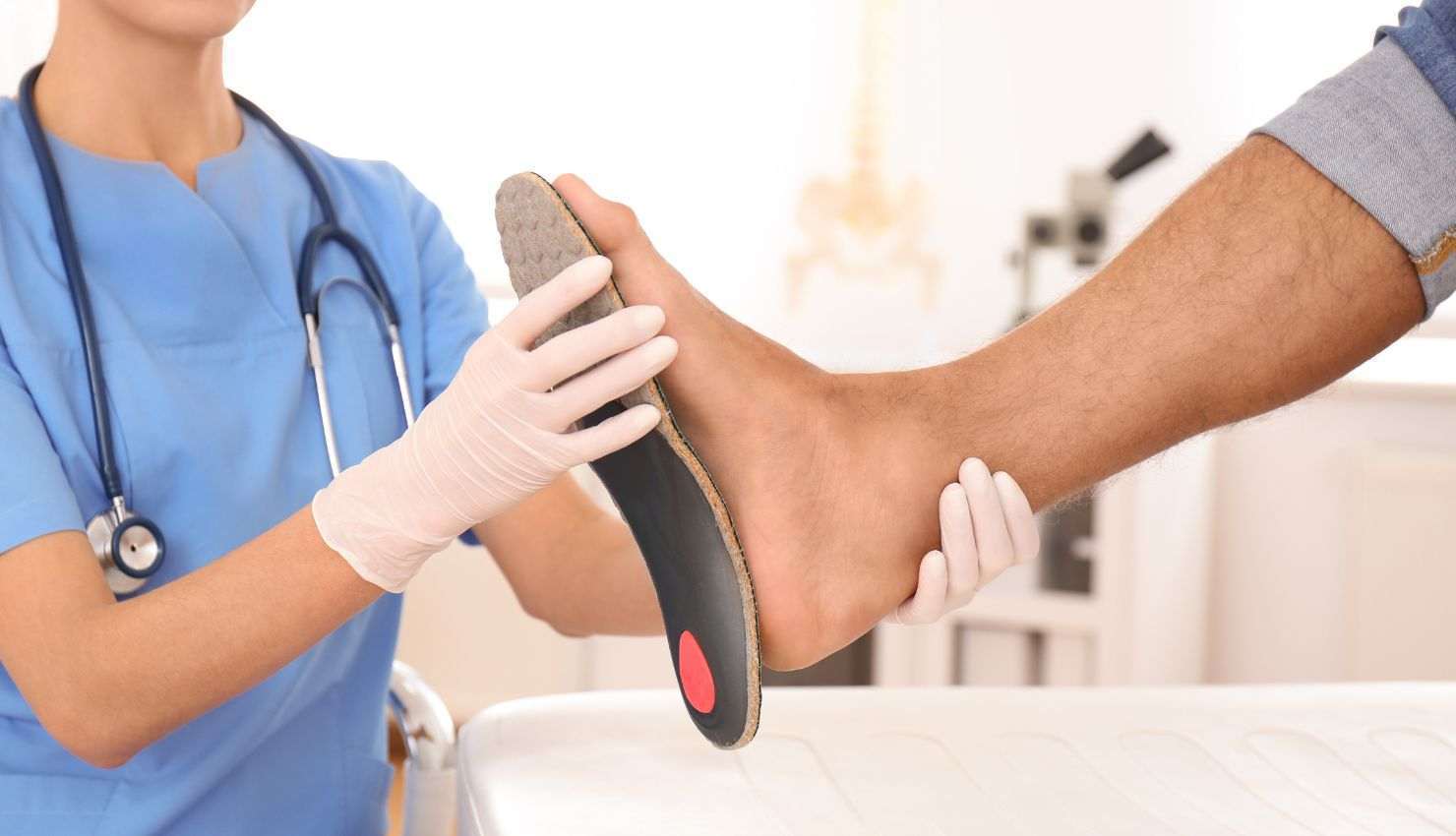
Joint discomfort, stiffness, or restricted movement can significantly impact quality of lifelimiting everything from everyday tasks to athletic performance. Whether caused by injury, chronic inflammation, overuse, or postural dysfunction, joint issues are not simply problems of wear and tear. They often reflect a larger imbalance in how the body moves, responds to stress, and compensates over time.
At YourFormSux (YFS), we take a nervous system-informed approach to physiotherapy, recognizing that restoring joint health and optimizing mobility requires more than just isolated exercises. It requires addressing muscular balance, nervous system regulation, and whole-body movement patterns. In this blog, we explore how physiotherapy restores joint health, improves function, and helps clients move with ease and confidence.
Understanding Joint Dysfunction
Joints are where two bones meet, surrounded by connective tissue, cartilage, and synovial fluid to support smooth movement. Healthy joints rely on three critical components:
Stability from surrounding muscles and ligaments
Mobility to move freely without pain or resistance
Neuromuscular control to guide movement safely and efficiently
When one of these is compromisedwhether due to trauma, repetitive strain, poor posture, or nervous system dysregulationjoints may become stiff, unstable, or inflamed. This can lead to conditions such as:
Arthritis and joint degeneration
Tendonitis and bursitis
Impingement syndromes (e.g., shoulder or hip)
Meniscal injuries and ligament sprains
Joint hypermobility or instability
Limited range of motion in spine, knees, hips, or shoulders
Joint issues may start local, but they often disrupt global movement, affecting posture, gait, and muscle coordination across the body.
The Role of Physiotherapy in Joint Health
Physiotherapy is uniquely suited to address the root causes of joint dysfunction. Instead of focusing only on symptoms, it works to correct movement patterns, relieve tension, restore alignment, and optimize neuromuscular control.
At YFS, we go a step further by integrating nervous system regulation into every treatment. When the nervous system is calm and responsive, muscles fire more efficiently, joints move more freely, and healing happens more quickly.
Heres how physiotherapy supports joint restoration and mobility:
1. Improves Joint Alignment and Biomechanics
Poor posture, faulty gait, or repetitive patterns can cause joint compression, misalignment, or uneven loading. Physiotherapists assess your movement mechanics and address the root causes of dysfunctionwhether its pelvic misalignment, spinal compensation, or foot instability.
Through manual therapy, joint mobilizations, and corrective exercises, we help restore optimal joint tracking and alignment, allowing for pain-free motion and better load distribution during movement.
2. Reduces Inflammation and Restores Tissue Health
Inflammation is a common driver of joint pain, especially in conditions like arthritis or tendonitis. Physiotherapy promotes circulation, lymphatic flow, and tissue hydrationessential for reducing swelling and supporting healing.
We use soft tissue release, fascial techniques, and gentle joint mobilizations to improve fluid exchange and reduce pain sensitivity, often in tandem with nervous system calming techniques such as breathwork or progressive muscle relaxation.
3. Strengthens Supportive Musculature for Stability
Many joint problems are made worse by muscle imbalances or weakness in stabilizing muscles. For example, knee pain may be tied to weak glutes or hip instability. Physiotherapy helps retrain these support systems using targeted strength training and motor control drills that re-establish neuromuscular balance.
This is especially important for hypermobile individuals or clients recovering from ligament injuries who require more joint stabilization than the average person.
4. Enhances Mobility Without Forcing Range of Motion
Mobility isnt just about stretching tight musclesits about teaching the nervous system that its safe to move. When joints feel stuck, its often a protective mechanism rather than a mechanical block.
We use nervous system-informed mobility techniques, such as active-assisted movement, breath-coordinated stretching, and neurodynamic gliding, to increase range without triggering pain or tension. The goal is to expand your movement capacity while keeping the nervous system calm and engaged.
5. Restores Confidence in Movement
Joint pain often leads to fear of movementespecially after injury or surgery. Physiotherapy helps rebuild physical confidence through graded exposure, progressive loading, and safe movement exploration. As clients learn to move again without fear, the nervous system stops bracing and allows for smoother, more efficient mobility.
At YFS, we also focus on movement re-patterning, so clients dont just recoverthey improve how they move overall.
6. Integrates the Pelvis, Spine, and Core for Functional Joint Health
Many joint issuesespecially in the knees, hips, and shouldersstem from poor core control or pelvic instability. Our approach includes pelvic floor physiotherapy, postural retraining, and deep core activation to restore central alignment and movement coordination.
When the trunk is stable, the limbs can move more freely. This integrated approach protects the joints and improves full-body movement patterns.
Who Can Benefit from Joint-Focused Physiotherapy?
Joint-focused physiotherapy is ideal for clients experiencing:
Arthritis or age-related joint stiffness
Post-injury or post-surgical joint rehab
Chronic joint pain or movement limitations
Sports-related joint overload or instability
Hypermobile joints or connective tissue disorders
Poor posture or repetitive strain injuries
Desk-related stiffness in hips, shoulders, or spine
Whether youre an athlete, office worker, or someone simply trying to stay active and pain-free, restoring joint health through physiotherapy is a sustainable, science-backed solution.
Final Thoughts
Joint health is not just about fixing isolated issuesits about restoring balance throughout the entire system. When your joints are supported by aligned movement, muscular stability, and a regulated nervous system, mobility becomes fluid, pain-free, and sustainable.
At YourFormSux, our nervous system-informed physiotherapy helps clients recover from joint dysfunction, optimize their mobility, and move through life with ease. Book a session today and discover how joint-focused care can help you feel stronger, freer, and more connected in your bodyevery step of the way.