Joint Health and Mobility explores targeted strategies for recovery. Discover new paths to mobility, healing, and personalized care.

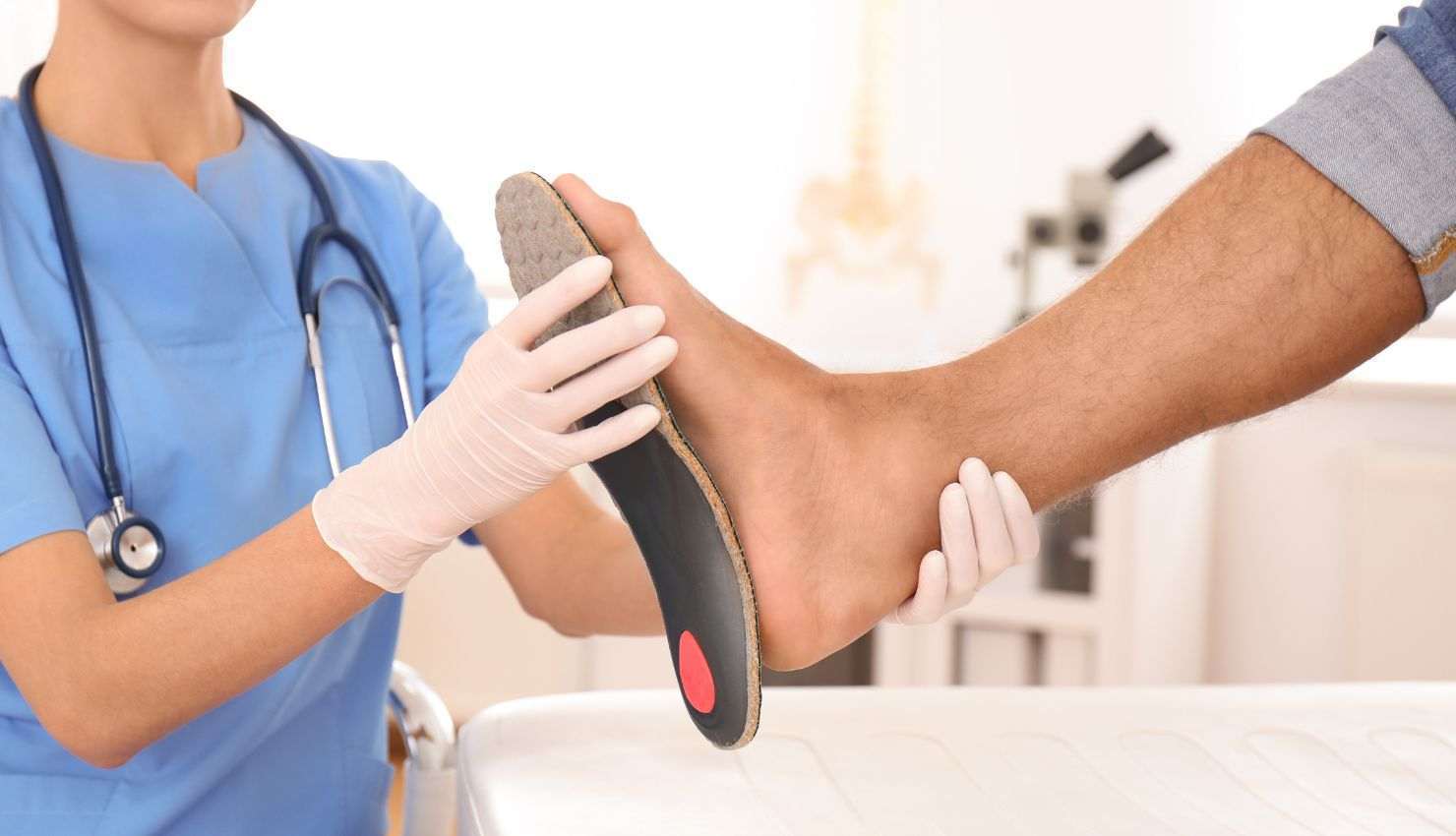
Agility is more than just quick footwork or athletic speedits your bodys ability to move efficiently, respond to demands, and adapt to challenges. Whether you’re chasing a personal best in the gym or simply wanting to move pain-free in daily life, joint health and mobility are essential to staying agile.
At YourFormSux (YFS), we help clients in Canada reclaim movement confidence and prevent stiffness, injury, or chronic tension through physiotherapy rooted in joint optimization and mobility enhancement. Maintaining joint health is not just for the injured or elderlyits a lifelong investment in your performance, posture, and physical independence.
What Is Joint Mobility and Why Does It Matter?
Joint mobility is the ability of a joint to move actively through its full, functional range of motion. It differs from flexibility, which refers to how far a muscle can stretch passively. True mobility combines flexibility, control, and joint integrity, allowing you to move freely and with strength.
Healthy joints allow you to:
Squat deeply without pain
Reach overhead without strain
Pivot, twist, or balance without restriction
Transition from sitting to standing with ease
Perform physical tasks without overloading other joints
When joint mobility is compromiseddue to stiffness, misalignment, inflammation, or inactivityit leads to compensations. These compensations can cause pain, reduce strength, and slow you down. Over time, you may lose your movement freedom altogether.
The Role of Physiotherapy in Supporting Joint Health
Physiotherapy plays a critical role in identifying and correcting early mobility restrictions that often go unnoticed until they cause pain. At YFS, we evaluate your entire movement systemnot just the joint that hurtsto understand where and why restrictions exist.
Our physiotherapy services address:
Joint capsule tightness
Soft tissue restrictions
Postural dysfunctions
Muscle imbalances
Nervous system limitations
Previous injury compensation patterns
Through individualized assessments and nervous system-informed therapy, we help restore full joint function and improve movement quality.
Why Agility Depends on Healthy Joints
Agility is your bodys ability to transition between movements quickly and efficiently. Whether you’re changing direction in a sport, getting up from the floor, or stepping off a curbagility requires:
Mobile hips and ankles
Stable knees and shoulders
A responsive spine and core
Strong neuromuscular control
Symmetrical range of motion across joints
Without healthy joints, agility suffers. Tight hips make pivoting awkward. An unstable ankle leads to poor balance. A stiff thoracic spine limits upper-body rotation. Physiotherapy restores these foundational mechanics so you can move with fluidity and confidence.
How Physiotherapy at YFS Enhances Joint Mobility and Agility
At YFS, our joint health programs combine advanced physiotherapy techniques with functional movement retraining to help you move, feel, and perform better. Here’s how we help you stay agile at any stage of life:
1. Comprehensive Mobility Assessments
We start by assessing your joint range, motor control, and movement patterns to identify hidden restrictions or dysfunctional movement habits. We look at how your joints move in isolation and in integrated movement.
2. Manual Therapy for Joint and Tissue Release
Our therapists use targeted manual therapy techniquesincluding joint mobilizations, myofascial release, and nerve glidesto reduce joint compression, relieve tension, and unlock stiff tissues.
3. Neuromuscular Re-Education
Muscles dont act aloneyour nervous system tells them when and how to fire. We train muscle activation patterns to improve dynamic stability and ensure that joints are supported through their full range of motion.
4. Functional Mobility Training
Our sessions include customized mobility drills and functional exercises that mimic real-life movements. These help your body practice and retain mobility in usable positions, such as lunging, reaching, rotating, and squatting.
5. Breath and Core Integration
Breath impacts spinal mobility, pelvic positioning, and postural control. We guide clients through breath-led core activation, improving trunk stability and reducing compensatory joint stress during movement.
6. Posture and Movement Pattern Correction
Poor posture and repetitive movement habits can degrade joint mechanics over time. We help retrain ergonomics and movement efficiency, reducing wear and tear across all joints.
Benefits of Supporting Joint Health Through Physiotherapy
When joints are moving well and muscles are firing in sync, clients experience:
Increased range of motion and flexibility
Improved balance, posture, and agility
Reduced joint pain and inflammation
Enhanced performance in sport and daily life
Lower risk of falls, strains, and mobility loss
More energy-efficient, pain-free movement
These improvements dont just help you in the gymthey improve how you walk, carry groceries, reach overhead, and move through life.
Who Can Benefit From Joint Optimization?
Our joint health programs at YFS are designed for:
Athletes looking to improve movement efficiency and reduce injury
Desk workers experiencing stiffness from prolonged sitting
Seniors looking to maintain independence and balance
Individuals recovering from injury or surgery
Anyone experiencing joint tightness, clicking, or pain
Fitness enthusiasts who feel tight despite regular stretching
You dont need to be injured to work on your joints. Preventive physiotherapy is one of the smartest ways to stay mobile and agile long term.
The YFS Difference: Smarter Mobility, Safer Movement
At YFS, we understand that mobility is not just about stretching moreits about moving smarter and supporting your joints with strength and control. We focus on helping your body regain movement confidence by optimizing your joint mechanics, nervous system function, and overall movement strategy.