Why Joint Optimization is the Key to Healthy Movement and Flexibility explores targeted strategies for recovery. Discover new paths to mobility, healing, and personalized care.

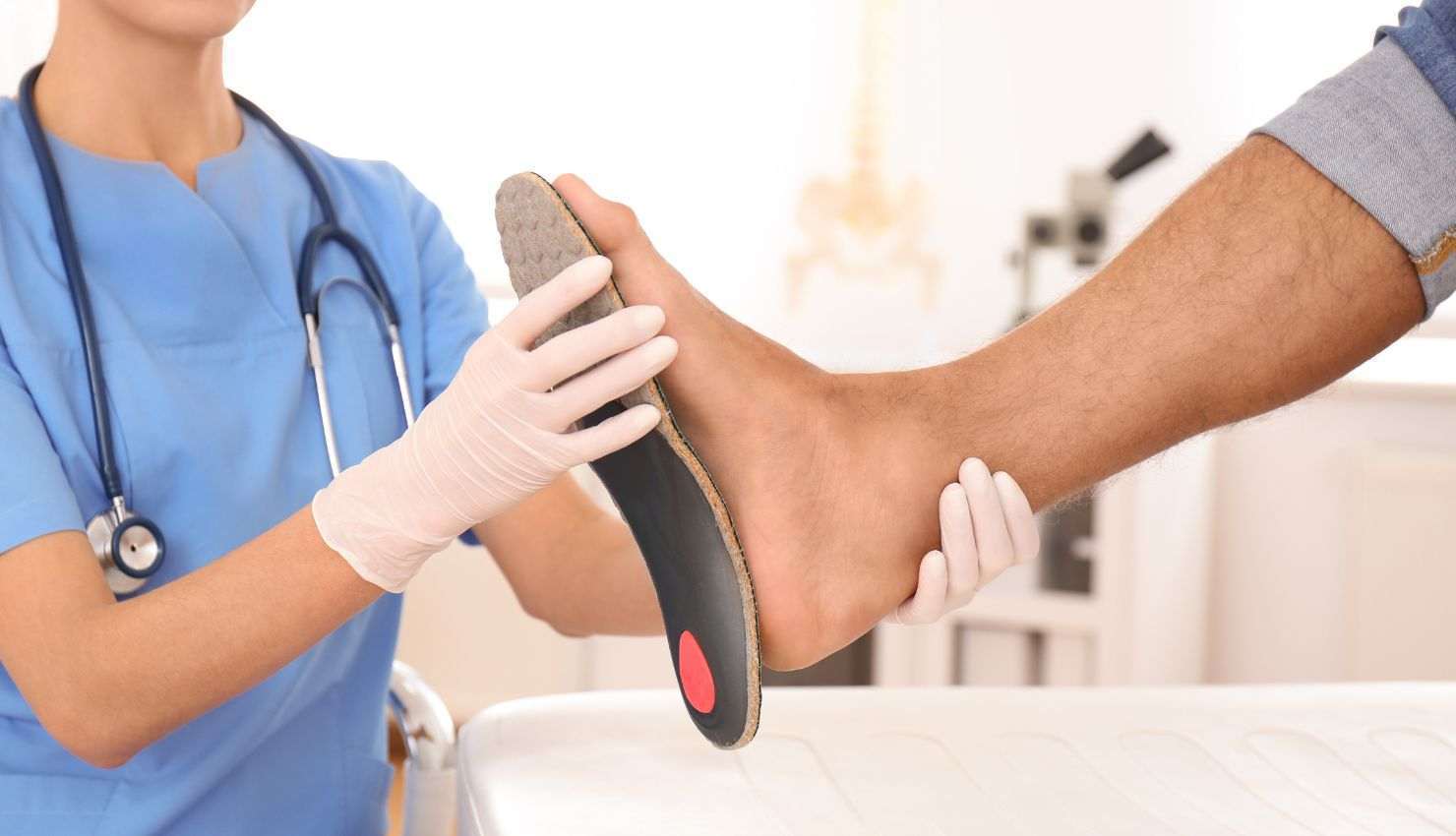
When most people set out to improve flexibility or movement quality, they turn to stretching routines or fitness programs that focus primarily on muscles. But whats often overlooked is the vital role of joint health and controlalso known as joint optimization. Without well-functioning joints, flexibility becomes limited, and movement becomes inefficient or even painful.
At YourFormSux (YFS), we teach that true mobility, lasting flexibility, and pain-free movement all start at the joint level. Joint optimization isnt just for athletes or those recovering from injuryits for anyone who wants to move better, feel stronger, and future-proof their body.
What Is Joint Optimization?
Joint optimization refers to the process of improving the mobility, stability, and neuromuscular control of each joint in the body. It ensures that:
Joints can move through their full active range of motion
Muscles around the joint are balanced and responsive
The nervous system feels safe and confident in movement
The body can handle load, pressure, and stress without breaking down
This is not about loosening up jointsits about making them more usable, more controlled, and more adaptable in real-world conditions.
Why Joints Matter More Than Muscles Alone
Your muscles dont act independentlythey are coordinated by your brain and nervous system in response to joint position and sensory feedback. If your joints are stiff, unstable, or misaligned, the brain will inhibit movement to protect you.
This creates a domino effect:
The nervous system perceives danger
Movement becomes guarded or limited
Muscles tighten or shut down
Compensation patterns develop
Over time, pain or injury follows
By optimizing joint function, you reprogram the nervous system to trust movement again, which restores flexibility, improves strength, and enhances body mechanics.
How Joint Optimization Enhances Flexibility
Flexibility without control is just passive range. Many people can stretch into positions they can’t access actively. This can create a dangerous gap between how far your body can move and how far it can support itselfa major cause of injury.
Joint optimization closes this gap by:
1. Creating Active Control at End Ranges
When you train joint mobility, you strengthen muscles and connective tissue at their longest lengths, allowing you to own your range of motion, not just borrow it during stretches.
2. Improving Tissue Resilience
As joints become more stable and mobile, surrounding tissueslike tendons and ligamentsadapt to support the movement, making flexibility more sustainable.
3. Teaching the Nervous System to Relax Tension
If the nervous system senses instability, it will create tightness to protect the body. Joint optimization reduces the perceived threat, allowing muscles to relax and lengthen naturally.
Why Joint Optimization is Essential for Healthy Movement
Movement isnt just about being flexibleits about being efficient, coordinated, and adaptable. Healthy movement requires that each joint:
Moves freely in all directions
Transfers load without compensation
Works in harmony with the rest of the body
Responds to changing demands (speed, load, direction)
When just one joint lacks mobility, the whole system adaptsoften in ways that lead to dysfunction or injury. For example:
Limited ankle mobility affects squatting and walking
Poor hip mobility leads to low back pain
Shoulder stiffness reduces arm function and posture
Joint optimization addresses these root issues by ensuring that each joint performs its role, improving the quality of movement across the entire body.
The Nervous System Connection
At YourFormSux, we emphasize that joint optimization is a nervous system process, not just a mechanical one. Your brain decides:
How far a joint can move
How much effort to apply
When to activate stabilizing muscles
Whether to perceive a movement as painful or safe
Thats why we use techniques that target both neuromuscular control and movement re-education. This includes:
Controlled articular rotations (CARs)
End-range isometrics
Joint-specific strength training
Breathwork and regulation drills to support parasympathetic activation
When you train your joints with intention, youre not just improving movementyoure retraining the nervous system to move with confidence and safety.
Benefits of Joint Optimization
Clients who prioritize joint optimization experience:
Improved range of motion thats accessible and sustainable
Better posture and alignment through all daily activities
Reduced risk of injury by eliminating compensation patterns
Less chronic tension and tightness in problem areas
Greater strength and coordination in sport, training, and life
Increased body awareness and movement confidence
Most importantly, they build a resilient body that adapts instead of breaks down.
Joint Optimization at YFS
At YourFormSux, we approach joint health with a systemized, personalized framework that includes:
Full-body joint assessments
Custom mobility and control programs
Integration of joint work into strength and rehab plans
Education on nervous system regulation and motor control
Whether youre dealing with stiffness, recovering from injury, or simply want to move better and stay flexible, we help you build a movement foundation that lasts.
Final Thoughts
Healthy movement starts at the joint level. If you want lasting flexibility, efficient performance, and long-term injury prevention, joint optimization is not optionalits essential.
By training your joints to move better, your entire body becomes stronger, more coordinated, and more adaptable to lifes demands. At YourFormSux, we help you reclaim your movement potentialjoint by joint, breath by breath, and step by step.