The Importance of Joint Health in Reducing Injury Risk explores targeted strategies for recovery. Discover new paths to mobility, healing, and personalized care.

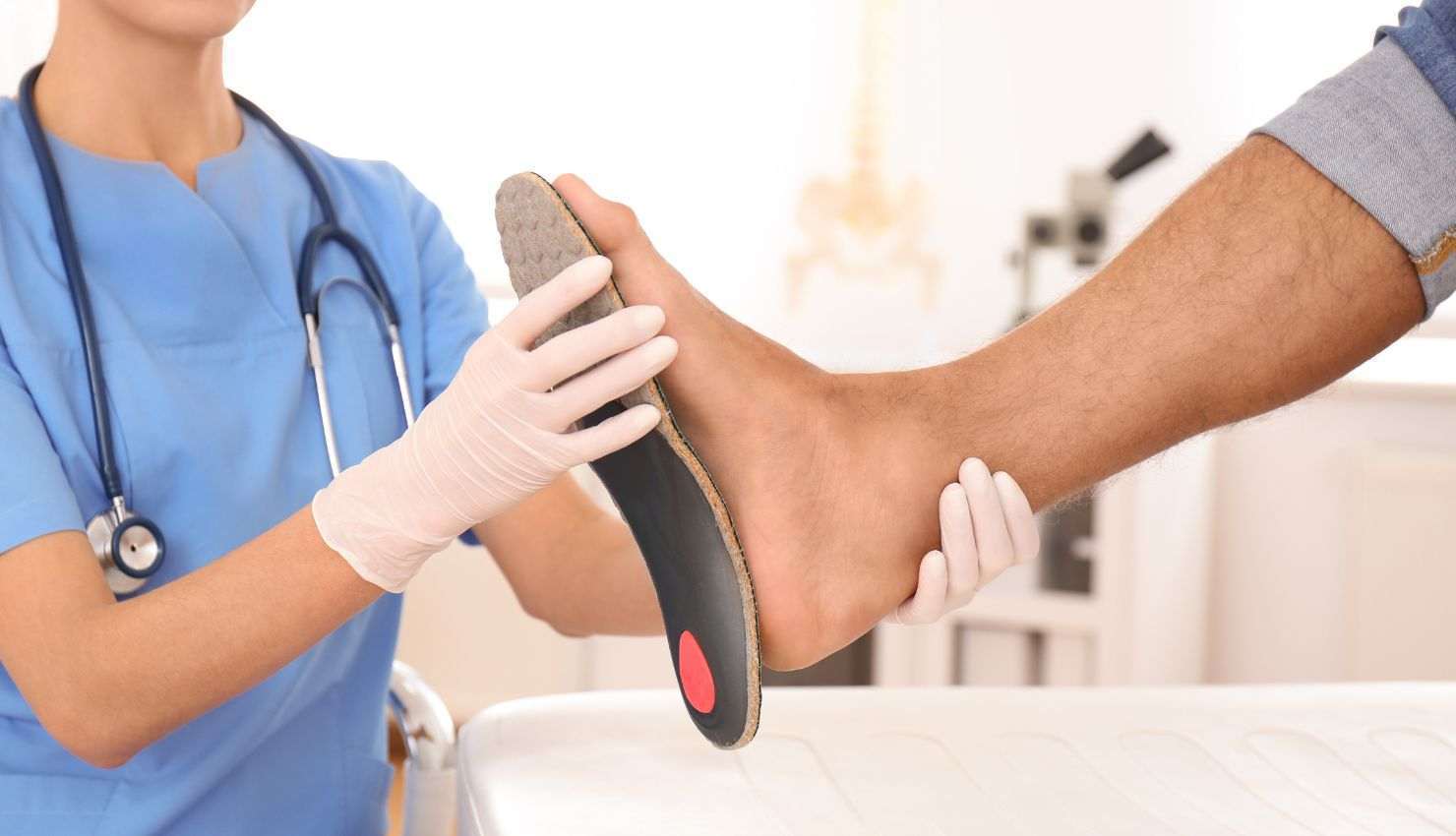
Injury prevention isnt just about exercise technique or strengthit starts with joint health. Whether you’re an athlete, an active adult, or someone trying to stay mobile and pain-free, your joints play a foundational role in how your body moves, responds to stress, and recovers from daily wear and tear. At YourFormSux (YFS), we take a comprehensive, nervous system-informed approach to joint care, because strong, healthy joints are key to reducing injury risk and maintaining lifelong physical resilience.
When joints are stable, mobile, and well-supported by surrounding tissues, the entire body benefits. But when joint health is compromised, the risk of injury risesboth through acute incidents like sprains and longer-term conditions like tendonitis or chronic pain.
What Is Joint Health?
Joint health refers to the integrity, function, and coordination of the structures that make up and surround each joint. This includes:
Cartilage, which cushions and protects bone ends
Synovial fluid, which lubricates and nourishes the joint
Ligaments and tendons, which provide stability and force transmission
Muscles and fascia, which support and move the joint
Nervous system control, which regulates movement, tone, and coordination
Healthy joints allow for pain-free, efficient movement. They absorb force, provide stability, and facilitate fluid transitions from one position to another. When joints function well, other tissues stay protected from overuse or compensatory strain.
How Poor Joint Health Increases Injury Risk
When joints lose mobility, become unstable, or are inflamed, the body enters a state of mechanical imbalance. This affects how force is absorbed and distributed during movement, increasing the risk of acute and chronic injury.
Common problems that arise from poor joint health include:
Muscle strains from restricted range of motion
Tendonitis due to joint misalignment and overcompensation
Joint sprains from poor proprioception and reduced stability
Lower back pain stemming from hip or thoracic spine dysfunction
Falls and coordination issues from poor ankle and knee health
Even if you dont currently feel pain, restricted joint mobility or instability can quietly lay the foundation for future injuries. At YFS, we identify and correct these issues before they escalate into long-term damage.
The Nervous Systems Role in Joint Health
Joint health isnt only a mechanical issueits also neurologically driven. Your nervous system continuously monitors joint position, tension, and safety through sensory receptors. When the brain perceives a joint as unstable, uncoordinated, or painful, it often responds with:
Muscle guarding (increased tension)
Movement restriction
Inhibited motor control
Compensatory activation of surrounding muscles
These responses, while protective in the short term, can lead to dysfunctional movement and increased injury risk over time.
At YFS, we integrate nervous system regulation techniquessuch as breathwork, grounding drills, and proprioceptive traininginto our physiotherapy sessions. This helps calm protective reflexes, restore joint confidence, and allow more natural, efficient movement.
How Joint Health Supports Injury Prevention
1. Improves Movement Efficiency
Healthy joints allow smooth, coordinated movement. This reduces stress on soft tissues and conserves energy during daily tasks or physical activity. When each joint moves as it should, the body doesnt need to compensate, which prevents repetitive strain injuries and muscular imbalances.
2. Enhances Balance and Coordination
Strong joints support better proprioceptionthe bodys ability to sense and control its position. This is especially important for fall prevention and dynamic movements. At YFS, we use balance training and joint stability work to improve nervous system feedback and reduce the risk of slips, stumbles, and reactive injuries.
3. Reduces Load on Muscles and Tendons
When joints are restricted or unstable, nearby muscles must overwork to stabilize the area. This leads to fatigue, tension, and vulnerability. Optimizing joint health ensures the entire kinetic chain shares the workload appropriately, keeping muscles healthy and responsive.
4. Prevents Overuse and Degenerative Conditions
Proper joint mechanics reduce wear-and-tear on cartilage and surrounding structures. This helps prevent early onset of osteoarthritis, bursitis, and tendon degeneration. Our physiotherapy protocols at YFS focus on long-term joint preservation through mobility, alignment, and functional loading.
5. Supports Faster Recovery After Strain
Healthy joints recover more efficiently after stress. They allow for better circulation, tissue repair, and neuromuscular re-patterning. Even in injury recovery, restoring joint health is key to preventing re-injury or secondary problems.
Our Approach to Joint Health at YFS
At YourFormSux, we prioritize joint health in every client program. Whether you’re recovering from an injury or aiming to prevent one, we offer a complete strategy for optimizing joint function, including:
Joint-specific mobility drills to restore range of motion
Active control and stability training to reinforce proper movement
Soft tissue therapy to address muscular tension or fascial restrictions
Breath-integrated movement to engage the nervous system in safe, functional ways
Strengthening programs that support joint alignment and long-term durability
Each program is tailored to your current condition and future goalswhether youre managing wear-and-tear, returning to sport, or maintaining independence as you age.
Why This Matters in a Canadian Health Context
With rising rates of musculoskeletal injuries and an aging population in Canada, the need for preventative, joint-focused care has never been greater. Many people wait until pain or injury forces them into treatmentbut by that point, dysfunction is already deeply rooted.
At YFS, we believe in proactive joint care as a form of injury insurance. Investing in mobility, stability, and nervous system regulation now can help you avoid invasive treatments, long recovery times, and loss of independence later.
Final Thoughts
Joint health is foundational to injury prevention. When your joints move well, communicate clearly with your nervous system, and are supported by balanced strength, your entire body operates more efficiently, safely, and confidently.
At YourFormSux, we specialize in physiotherapy that restores and maintains joint integrity, while regulating the nervous system for optimal function. Whether youre managing existing limitations or taking preventative steps, were here to help you build a stronger, more injury-resistant bodyone joint at a time.