The Role of Physiotherapy in Joint Optimization for Better Mobility explores targeted strategies for recovery. Discover new paths to mobility, healing, and personalized care.

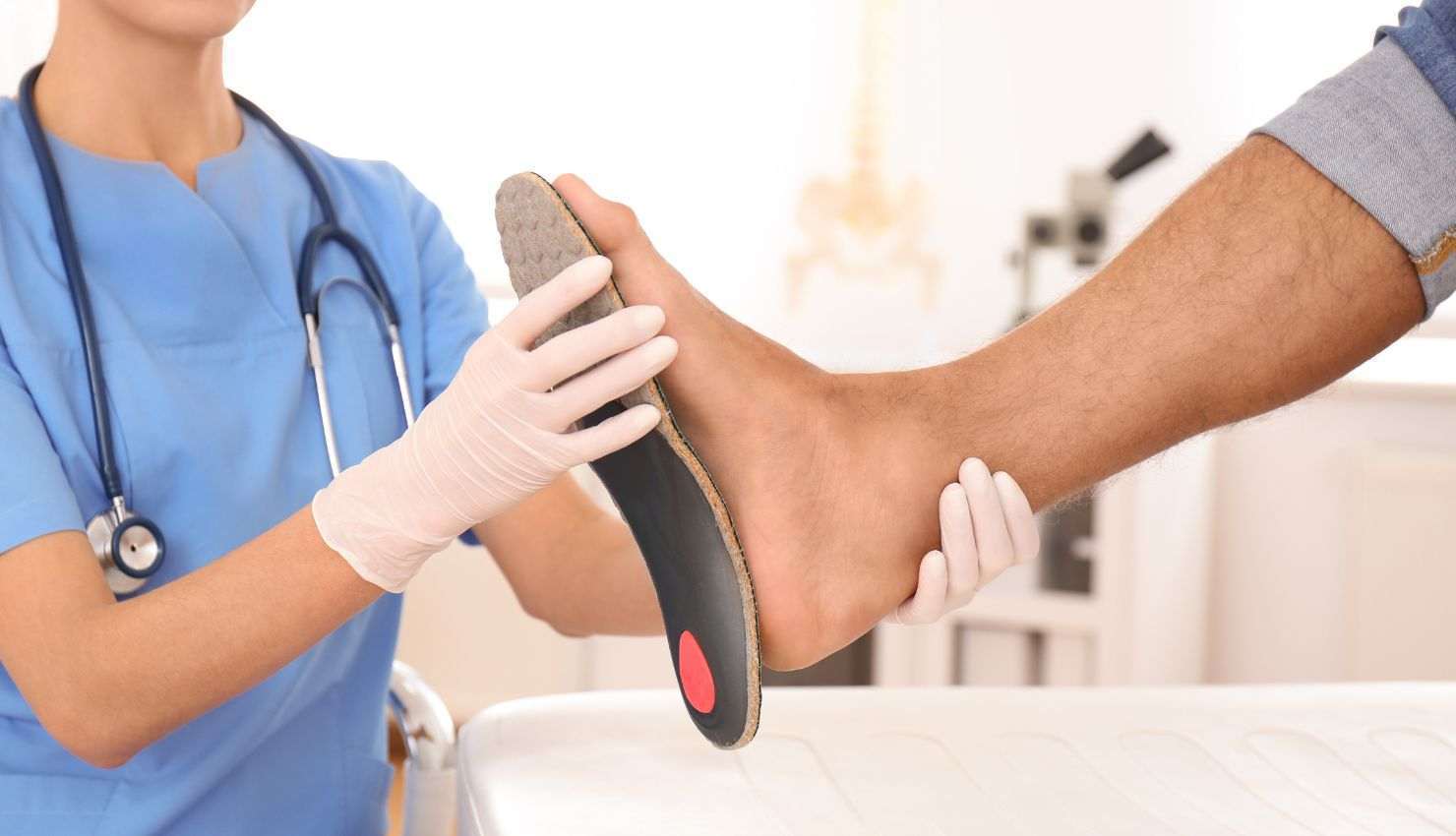
Mobility is essential to how you move, perform, and live. Whether you’re walking, reaching, lifting, or transitioning between sitting and standing, mobility plays a critical role in your freedom and function. But when movement becomes restricteddue to joint stiffness, injury, or prolonged inactivitysimple tasks can start to feel difficult or painful. This is where physiotherapy becomes a powerful tool.
At YourFormSux (YFS), we focus on restoring and enhancing mobility through a targeted approach called joint optimization. Rather than just stretching or strengthening, joint optimization addresses how well your joints move and functionbecause without mobile, stable joints, true movement freedom isnt possible.
Lets explore how physiotherapy supports joint optimization and why thats crucial for long-term mobility and physical confidence.
What Is Joint Optimization?
Joint optimization is the process of restoring and maintaining the ideal mechanics of your joints. This means:
Ensuring full, functional range of motion
Balancing mobility and stability
Reducing restrictions caused by tight capsules or connective tissue
Improving alignment and load distribution
Reinforcing efficient neuromuscular control
Every joint in your body plays a specific role in the joint-by-joint hierarchy. For example:
Hips and shoulders require high mobility
Knees and lumbar spine rely on stability
Ankles and thoracic spine need to move fluidly to support full-body motion
When one joint becomes restricted, the body compensates by overusing othersleading to stiffness, strain, or injury. Joint optimization restores each joint to its intended role, allowing the body to move with precision and efficiency.
Why Mobility Isnt Just About Flexibility
Mobility is often confused with flexibility. While flexibility refers to how far a muscle can stretch, mobility is your ability to move actively through a range of motion with control and strength. True mobility requires:
Healthy joint movement
Neuromuscular coordination
Postural alignment
Nervous system regulation
A flexible muscle doesnt guarantee a mobile joint. If your joint lacks the structural freedom or stability to support a motion, youll either avoid itor force it. Over time, this can result in:
Muscle overcompensation and fatigue
Reduced movement efficiency
Increased injury risk
Decreased performance in sport and daily activity
Physiotherapy addresses these hidden issues by working directly with joint mechanics and nervous system input.
How Physiotherapy at YFS Enhances Joint Function for Better Mobility
At YFS, our physiotherapists use a comprehensive, movement-focused approach to improve joint health and functional mobility. Here’s how we do it:
1. Detailed Joint Assessment
We begin with a joint-by-joint evaluation to identify where mobility is limited, where control is lacking, and how these dysfunctions affect your posture, gait, and daily tasks.
2. Manual Therapy and Joint Mobilization
Hands-on techniques like joint mobilizations, soft tissue release, and muscle energy techniques are used to restore joint motion and reduce tissue restrictions. This helps:
Break up adhesions
Improve joint glide
Release tight capsules
Reduce compensatory tension in nearby muscles
3. Functional Mobility Drills
We prescribe exercises that reinforce active control through your new range of motion. These drills are designed to retrain your body to move fluidly and confidently, targeting hips, shoulders, ankles, and the spine.
4. Neuromuscular Re-education
Physiotherapy also retrains the nervous system to activate stabilizers correctly. This includes:
Core and pelvic control exercises
Scapular stability drills
Breathwork for postural support
Coordination training in dynamic positions
When joints are better supported, they move more efficientlyand so do you.
5. Movement Pattern Re-training
If your movement patterns are inefficientsuch as faulty squatting mechanics, poor gait, or compensatory reachingwe work to correct them through cueing, motor learning, and progressive load application. This restores balance across the entire kinetic chain.
6. Posture and Ergonomic Coaching
For those with sedentary or repetitive jobs, poor posture can lead to joint immobility and muscular overuse. We help clients adopt better ergonomics and movement habits to sustain their mobility gains long-term.
Benefits of Joint Optimization Through Physiotherapy
When joints are moving well and supported properly, mobility improves dramatically. Clients often experience:
Increased range of motion and flexibility
Reduced joint pain and muscle tension
Improved performance in sports, fitness, or daily activities
Enhanced posture and balance
Lower risk of injury and degeneration
Greater movement confidence and ease
Better joint health also translates to more energy-efficient movement, meaning you do more with less effortwhether you’re working out, walking the dog, or doing chores around the house.
Who Should Consider Joint Optimization?
This approach is ideal for:
Individuals with stiff or painful joints
Active adults who feel tight despite stretching
Athletes wanting to improve performance or recover from injury
Office workers with limited shoulder, spine, or hip movement
Seniors wanting to maintain independence and avoid falls
Anyone recovering from surgery or dealing with chronic postural issues
Whether you’re already in pain or simply want to move better and feel younger, joint optimization helps future-proof your body.
YFS: Movement Built on a Smarter Foundation
At YourFormSux, we believe that mobility should be functional, pain-free, and accessible to everyone. Our physiotherapists dont just treat painwe look at how you move and why that matters. By optimizing joint mechanics, restoring active mobility, and supporting your nervous system, we help you unlock strength, confidence, and lasting freedom in your movement.