How Joint Mobility Optimization Helps Treat and Prevent Tendonitis explores targeted strategies for recovery. Discover new paths to mobility, healing, and personalized care.

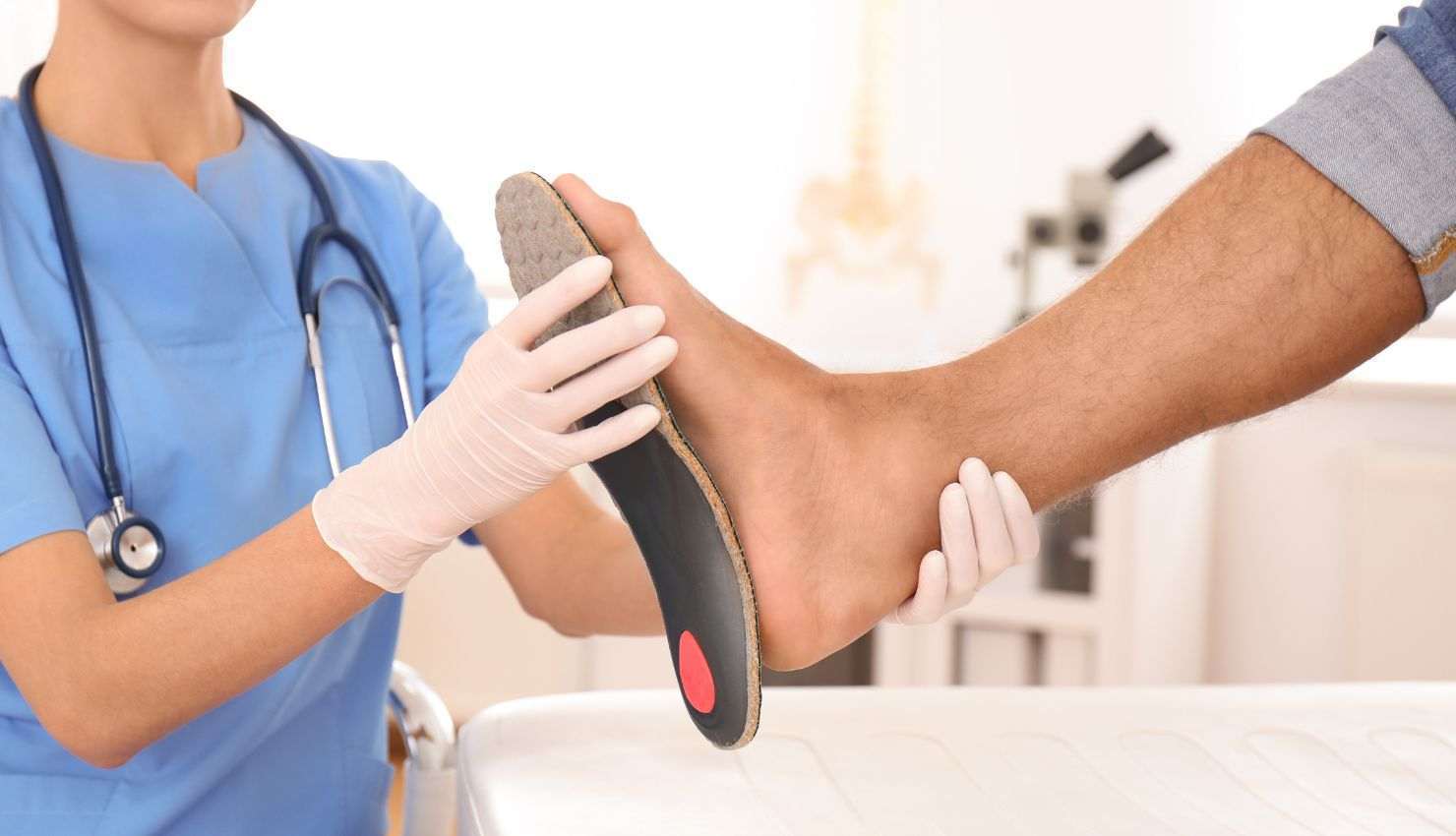
Tendonitis, the inflammation or irritation of a tendon, is a common condition that causes pain and restricts movement in affected joints. It often results from repetitive strain, overuse, or improper mechanics, affecting athletes, manual laborers, and individuals performing repetitive tasks. Without proper treatment, tendonitis can become chronic, significantly impairing function and quality of life.
Joint mobility optimization plays a crucial role in both treating and preventing tendonitis by restoring healthy joint movement, reducing strain on tendons, and promoting effective healing. At YourFormSux (YFS) in Canada, we specialize in therapies designed to optimize joint function and support tendon health, helping patients recover faster and avoid future issues.
Understanding Tendonitis and Its Causes
Tendons connect muscles to bones and transmit forces that enable movement. When tendons are overused or subjected to abnormal stress, microscopic tears and inflammation can develop, leading to tendonitis. Common sites include the shoulder (rotator cuff), elbow (tennis elbow), wrist, knee (patellar tendon), and ankle (Achilles tendon).
Several factors contribute to tendonitis:
Poor joint mobility causing compensatory movement
Muscle imbalances or weakness around the joint
Repetitive motions or overuse without adequate rest
Poor technique or biomechanics during activity
Age-related tendon degeneration
How Joint Mobility Optimization Addresses Tendonitis
Optimizing joint mobility targets the root causes that place excessive stress on tendons, helping to:
Restore Proper Joint Movement
Limited mobility in a joint can force tendons and muscles to compensate, increasing strain and risk of inflammation. Improving joint range of motion allows tendons to glide smoothly and absorb forces appropriately.
Reduce Muscle Tension and Imbalances
Tight muscles around a stiff joint alter movement patterns and increase tendon load. Mobility work combined with stretching and strengthening helps balance muscle function.
Enhance Blood Flow and Healing
Manual therapy and movement improve circulation around the tendon, promoting nutrient delivery and waste removal essential for tissue repair.
Correct Biomechanics and Movement Patterns
Physiotherapists assess and correct faulty movement habits that contribute to tendon overload, reducing recurrence risk.
Support Gradual Loading and Strengthening
Optimized joint mobility enables safe progression of tendon loading through strengthening exercises, which is vital for tendon resilience and long-term health.
Joint Mobility Techniques Used at YourFormSux (YFS)
YourFormSux (YFS) employs evidence-based interventions including:
Manual Therapy: Joint mobilizations and soft tissue release to improve mobility and reduce tension.
Therapeutic Exercises: Tailored stretching and strengthening programs for muscles and tendons.
Movement Retraining: Focused on correcting posture and technique.
Education: Guidance on activity modification and injury prevention strategies.
Preventing Tendonitis Through Mobility Optimization
Regular mobility work can prevent tendonitis by maintaining joint health and muscle balance, including:
Consistent stretching to keep tissues flexible
Strengthening surrounding muscles to support joints
Monitoring and modifying repetitive activities to avoid overload
Incorporating proper warm-up and cool-down routines
Using ergonomic tools and techniques to reduce strain
Why Choose YourFormSux (YFS) for Tendonitis Care?
YourFormSux (YFS) in Canada provides comprehensive care tailored to tendonitis management and prevention. Our physiotherapists develop individualized plans addressing joint mobility, muscle balance, and movement quality to promote effective healing and reduce future injury risk.
Final Thoughts: Optimize Your Joint Mobility to Heal and Prevent Tendonitis
Tendonitis can be debilitating, but joint mobility optimization offers a powerful way to treat symptoms and prevent recurrence. Restoring healthy joint function reduces tendon strain, supports healing, and enhances overall movement quality.