The Benefits of Joint Mobility in Relieving Joint Stiffness and Pain explores targeted strategies for recovery. Discover new paths to mobility, healing, and personalized care.

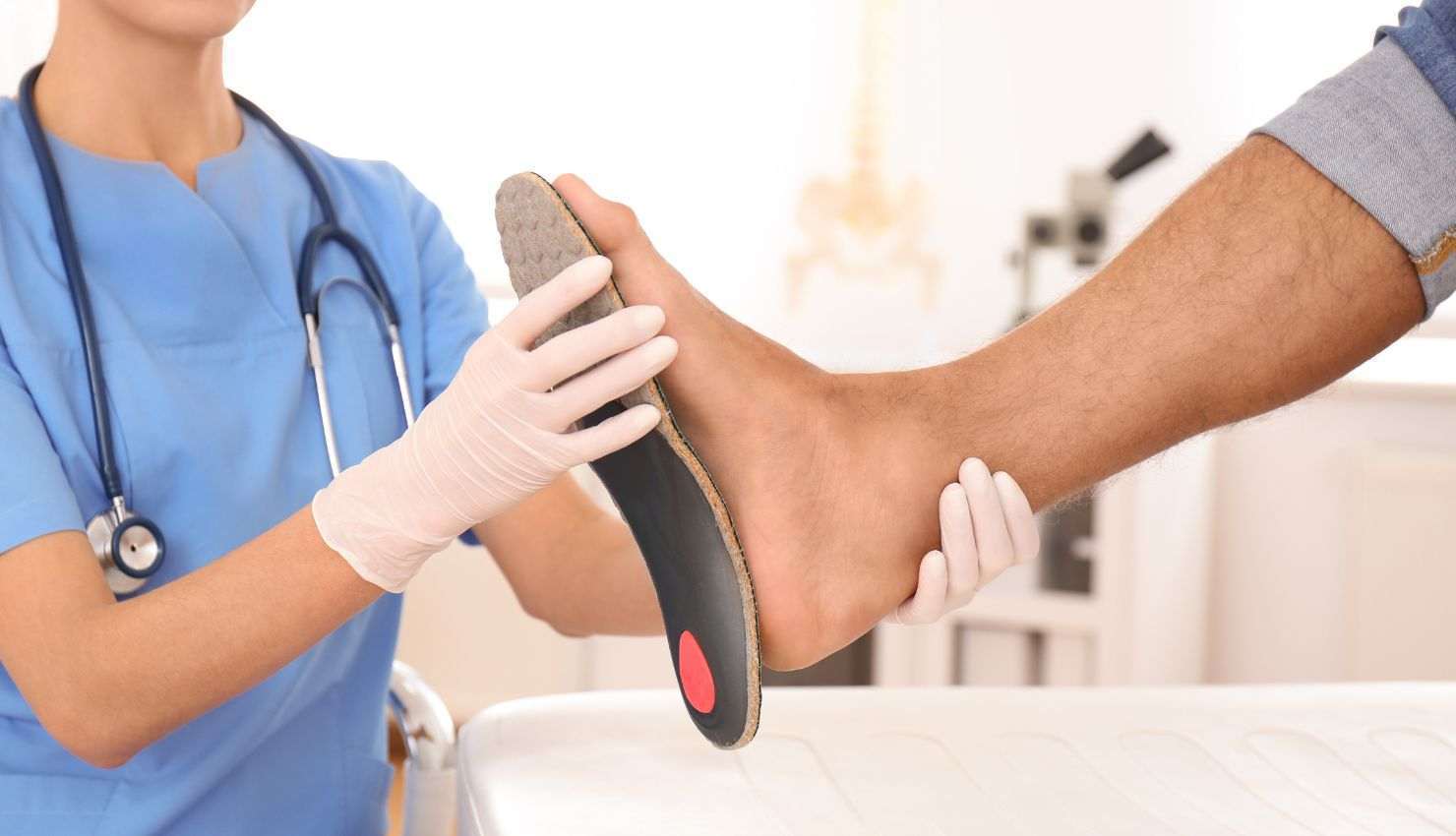
Joint stiffness and chronic pain are common complaints for people across all ages and activity levels. Whether it’s waking up with tight knees, experiencing hip restriction during daily movement, or dealing with aching shoulders after a long day at a desk, many of these symptoms can be traced back to one core issue: poor joint mobility. At YourFormSux (YFS), we approach these challenges with an integrated strategy that focuses on optimizing joint mobility while addressing nervous system imbalances that often contribute to pain and restriction.
When joints are allowed to move freely and supported by proper motor control and tissue balance, stiffness fades, discomfort reduces, and movement feels more fluid and natural.
Understanding Joint Stiffness and Pain
Joint stiffness occurs when there is a limitation in the movement capacity of a joint. This can be caused by:
Tight or shortened muscles
Thickened or dehydrated connective tissue
Capsular restrictions within the joint itself
Poor circulation or lymphatic drainage
Nervous system guarding due to past injury or perceived threat
Over time, stiffness can lead to discomfort, altered movement patterns, and ultimately chronic joint pain. The body may begin to avoid certain motions, which reduces activity levels, weakens supporting muscles, and creates a cycle of pain and restriction.
Breaking this cycle starts with restoring functional joint mobility and regulating how the nervous system interprets and responds to movement.
How Joint Mobility Helps Relieve Stiffness and Pain
1. Restores Full Range of Motion
When joints dont move through their full range, the tissues around them become restricted and less elastic. Mobility training helps restore lost movement by rehydrating fascia, promoting synovial fluid flow, and encouraging joint capsule flexibility. This decreases the physical sensation of stiffness and allows for smoother, more comfortable movement.
At YFS, we guide clients through controlled joint mobility drills that gently increase range and restore natural joint mechanics.
2. Improves Circulation and Reduces Inflammation
Stiff joints often have poor local circulation. Gentle, active joint mobilization helps pump blood, lymph, and nutrients through the area, flushing out metabolic waste and reducing inflammation. This is especially helpful for people experiencing chronic joint pain associated with arthritis or inactivity.
Improved circulation supports natural healing and helps the body regulate its inflammatory response more efficiently.
3. Decompresses Joints and Reduces Pressure
Joint stiffness is often associated with compressionwhere tissues are pushed together due to muscle guarding or postural dysfunction. Through mobility work, we help restore space within the joint, reduce mechanical stress, and relieve the pressure that contributes to persistent pain.
This is particularly effective in areas like the lower back, hips, and neck, where compression-related discomfort is common.
4. Regulates the Nervous System Response to Movement
One of the most overlooked contributors to joint pain is nervous system sensitivity. When the brain perceives movement as dangerous or unstable, it may restrict mobility as a protective mechanism. This often shows up as chronic tightness or guarded movement patterns, even in the absence of injury.
At YFS, we use nervous system-informed physiotherapy tools such as breath-led movement, proprioceptive feedback, and slow, mindful mobility drills to reduce nervous system reactivity. As the brain begins to trust the bodys capacity to move safely, pain signals decrease and mobility improves.
5. Enhances Muscle Balance and Joint Stability
When a joint is stiff, surrounding muscles tend to overwork or shut down, which creates imbalances that lead to further dysfunction. Mobility training helps restore balance by activating underused muscles and relaxing overused ones. This leads to better joint tracking, stability, and long-term pain reduction.
Through guided movement and motor control exercises, we help retrain healthy patterns that support pain-free joint function.
Common Areas Where Mobility Reduces Stiffness and Pain
Hips: Tight hips are a major contributor to lower back and knee pain. Improving hip rotation and extension helps relieve strain on adjacent joints and improves overall pelvic alignment.
Shoulders: Shoulder stiffness often causes neck tension, limited overhead movement, and rotator cuff discomfort. Restoring mobility to the shoulder joint and scapula improves range and reduces muscular compensation.
Knees: While the knee is primarily a hinge joint, its function is heavily influenced by hip and ankle mobility. Releasing restrictions in surrounding areas can significantly reduce knee stress and stiffness.
Ankles: Limited ankle mobility affects walking, squatting, and balance. Restoring ankle dorsiflexion helps distribute force properly and prevent pain in the knees and hips.
Spine: Thoracic spine stiffness can lead to neck strain, poor posture, and breathing limitations. Mobility work here improves spinal alignment and relieves pressure throughout the upper body.
What Joint Mobility Work Looks Like at YFS
At YourFormSux, joint mobility sessions are customized to meet your current physical state and nervous system needs. Our treatment plans typically include:
Active range-of-motion exercises
Joint mobilization techniques for the hips, shoulders, spine, and ankles
Breath-integrated movement to support nervous system calm
Soft tissue release techniques to reduce myofascial tension
Controlled strength training to reinforce healthy joint mechanics
Our goal is to not only relieve your pain, but to teach your body how to move with less resistance and more freedom.
Why This Matters for Canadians
Joint pain and stiffness are among the top reasons Canadians seek physiotherapy. These issues often stem from sedentary lifestyles, postural habits, repetitive strain, and agingall of which are modifiable with the right mobility strategies.
At YFS, we focus on proactive, nervous system-aware care that helps Canadians move better, feel stronger, and regain control over their joint health without medications or invasive interventions.
Final Thoughts
Joint mobility is one of the most powerful tools for reducing stiffness and relieving pain. By restoring natural joint motion, improving muscle balance, and calming the nervous systems response to movement, mobility training empowers you to feel more comfortable in your body every day.
At YourFormSux, we specialize in physiotherapy that combines movement science with nervous system regulationbecause pain relief isnt just about fixing joints, its about helping your whole system feel safe to move.