How Mobility & Joint Optimization Help Maintain Healthy Posture and Alignment explores targeted strategies for recovery. Discover new paths to mobility, healing, and personalized care.

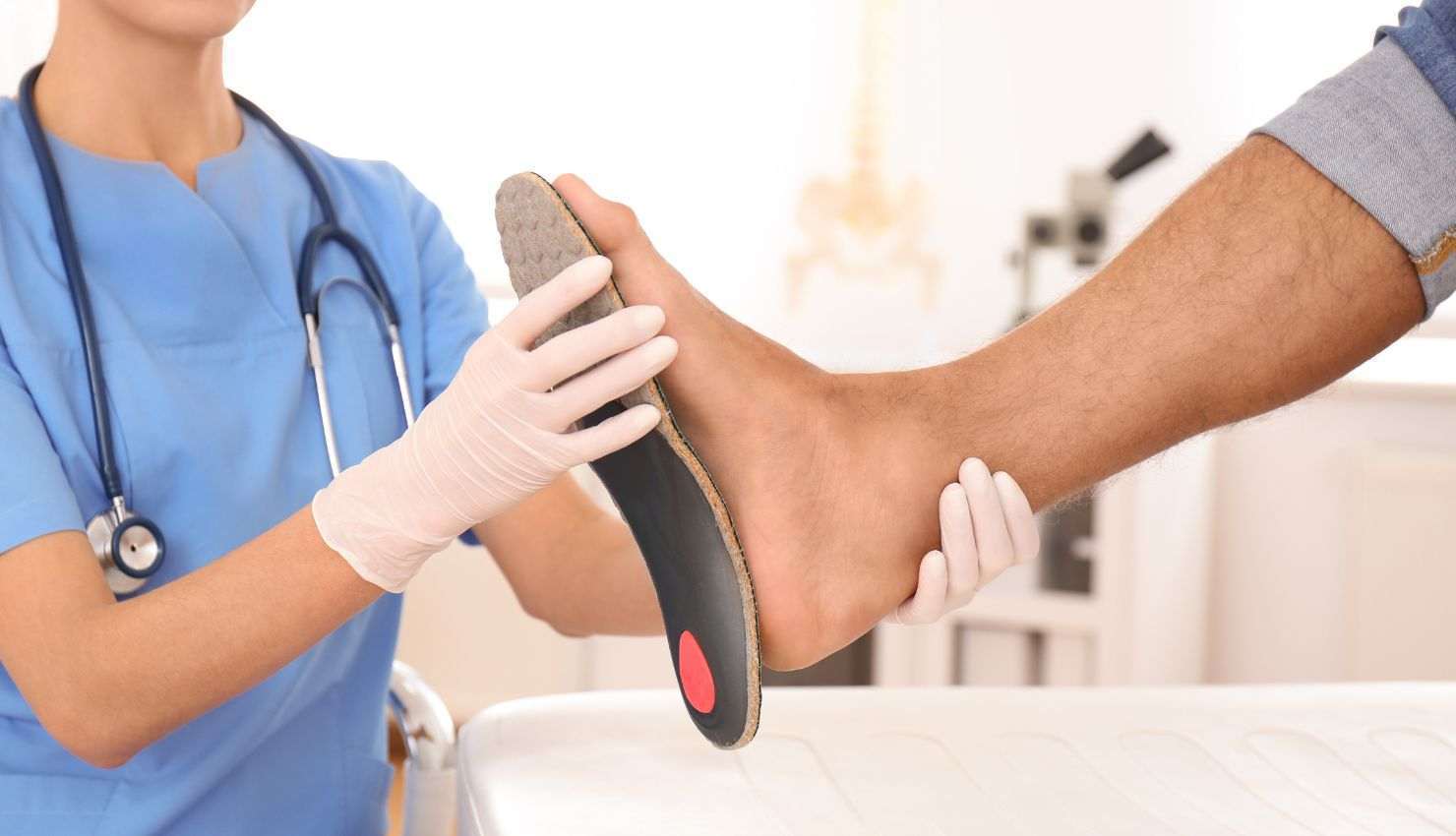
Maintaining healthy posture and body alignment isn’t just about sitting up straightits about how your joints move, how your muscles support you, and how your nervous system regulates your body’s positioning. When mobility is restricted or joint mechanics are compromised, even the strongest muscles cant maintain good posture for long. Over time, this leads to compensations, pain, and postural breakdown.
At YourFormSux (YFS), we emphasize mobility and joint optimization as essential components of postural health. In this blog, we explain how joint mobility affects alignment, why posture depends on dynamicnot staticstability, and how nervous system-informed physiotherapy supports long-term structural balance.
The Hidden Link Between Mobility, Alignment, and Posture
Posture is the result of how your body organizes itself in space. Its influenced by:
The range of motion available at each joint
The strength and timing of stabilizing muscles
The nervous systems perception of balance and safety
If any jointhips, shoulders, spine, anklesloses mobility, the body compensates by shifting load elsewhere. This leads to imbalanced muscle tone, poor spinal curves, and postural fatigue. In other words, posture breaks down not because you forgot to sit straight, but because your joints can no longer support the structure.
How Mobility & Joint Optimization Improve Posture
1. Restores Natural Spinal Curves
The spine has natural curves (cervical lordosis, thoracic kyphosis, lumbar lordosis) that are essential for shock absorption and efficient force distribution. When joint mobility is limitedparticularly in the hips, pelvis, or thoracic spinethese curves are altered.
Improving joint mobility in surrounding regions allows the spine to realign itself. For example:
Hip mobility supports lumbar curve restoration
Thoracic extension improves upright posture and head positioning
Ankle mobility affects how the entire body stacks during standing and walking
Restoring motion in these areas allows the spine to settle into its intended structure without strain.
2. Improves Pelvic and Ribcage Alignment
Postural issues often originate in the pelvis and ribcage, which act as anchors for both the upper and lower body. Anterior pelvic tilt, flared ribs, or asymmetrical hip position all disrupt full-body alignment.
Joint mobility work, combined with nervous system-led breathing and core control strategies, helps bring the pelvis and ribcage back into neutral alignmentproviding a strong, adaptable foundation for good posture.
3. Reduces Muscle Imbalances and Bracing Patterns
When joints dont move well, certain muscles become overworked, while others become underused. This imbalance leads to chronic tension (like tight hip flexors or neck muscles) and postural collapse.
Through mobility optimization, we reintroduce proper joint mechanics and teach the body to use the right muscles for the right tasks. As the joints move better, overactive muscles can release, underactive muscles can engage, and posture becomes more effortless and sustainable.
4. Supports Dynamic, Functional Posture
Good posture isnt just about standing stillits about how you move. Whether lifting, walking, or sitting, your body needs mobility to adapt to different positions without losing structural integrity.
By improving joint control and full-body coordination, we build a dynamic posture systemone that adapts to lifes movements rather than resisting them. This is the difference between stiff, forced posture and natural, resilient posture.
5. Improves Nervous System Regulation of Alignment
Your nervous system constantly monitors your position in space. If it detects instability or threat (like a stiff or unstable joint), it creates bracing or compensation patterns. These patterns often feel like slouching, rounded shoulders, or tight lower back muscles.
At YFS, we use nervous system-informed techniquessuch as breath-led movement, proprioceptive training, and somatic awarenessto teach your brain that its safe to let go of tension and hold better posture with less effort.
Common Areas That Benefit from Mobility & Alignment Work
Thoracic spine (to restore upright posture and reduce forward head)
Shoulders and scapulae (to support open chest and balanced arm movement)
Hips and pelvis (to reduce anterior tilt and improve spinal stacking)
Ankles and feet (to correct gait and postural loading from the ground up)
Neck and cervical spine (to reduce tech neck and upper trap dominance)
Every joint contributes to your posture, and alignment issues often start in areas you wouldnt expectlike the ankles or hips. Our assessments at YFS identify these root causes to create a customized mobility plan.
Our Mobility-Based Approach to Postural Health at YFS
At YourFormSux, we combine joint mobility, strength training, and nervous system re-education to help you develop better posture without forcing it. Our sessions may include:
Joint mobilizations and segmental movement training
Breathwork to connect the core, diaphragm, and pelvic floor
Controlled Articular Rotations (CARs) to build joint control
Fascial and soft tissue release to reduce postural restrictions
Dynamic mobility flows to improve movement transitions
Postural retraining for sitting, standing, and lifting mechanics
We dont just tell you to sit up straightwe teach your body how to hold itself better through real, integrated movement.
Who Can Benefit from Postural Mobility Work?
Desk workers with chronic stiffness or forward posture
Athletes with postural compensation and imbalances
Older adults aiming to maintain upright, balanced movement
Clients with back, neck, or shoulder pain linked to alignment
Anyone feeling tension or fatigue from trying to hold good posture
Whether youre addressing pain or proactively supporting long-term movement health, joint mobility and postural alignment must go hand-in-hand.
Final Thoughts
Posture is not a static goalits a moving target that depends on joint health, mobility, and nervous system control. If your joints arent moving well, your posture wont hold upno matter how strong or flexible you are.